Painting and Distortion: Kent Young’s Perceptual Mechanisms Charles Gaines 2021
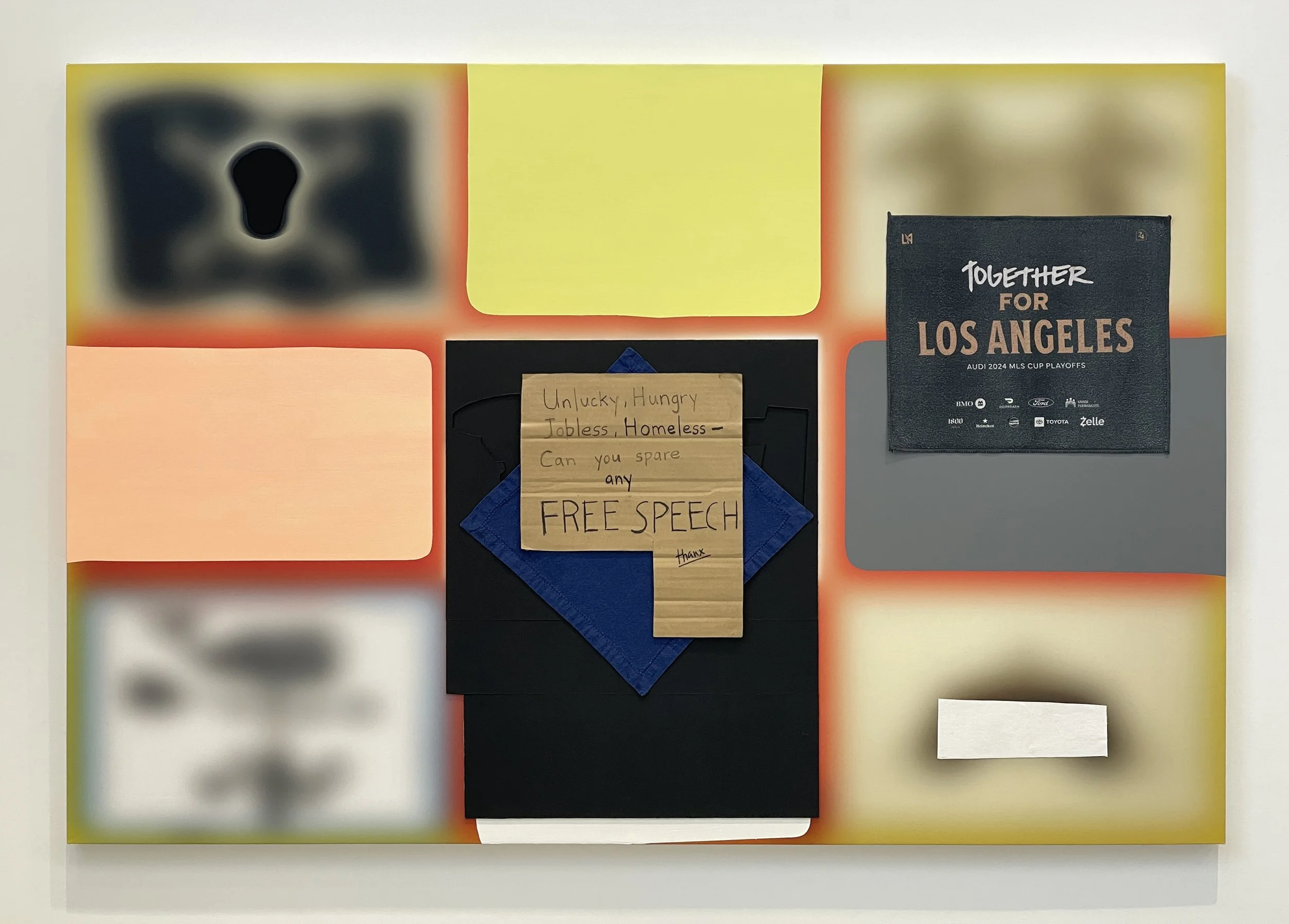
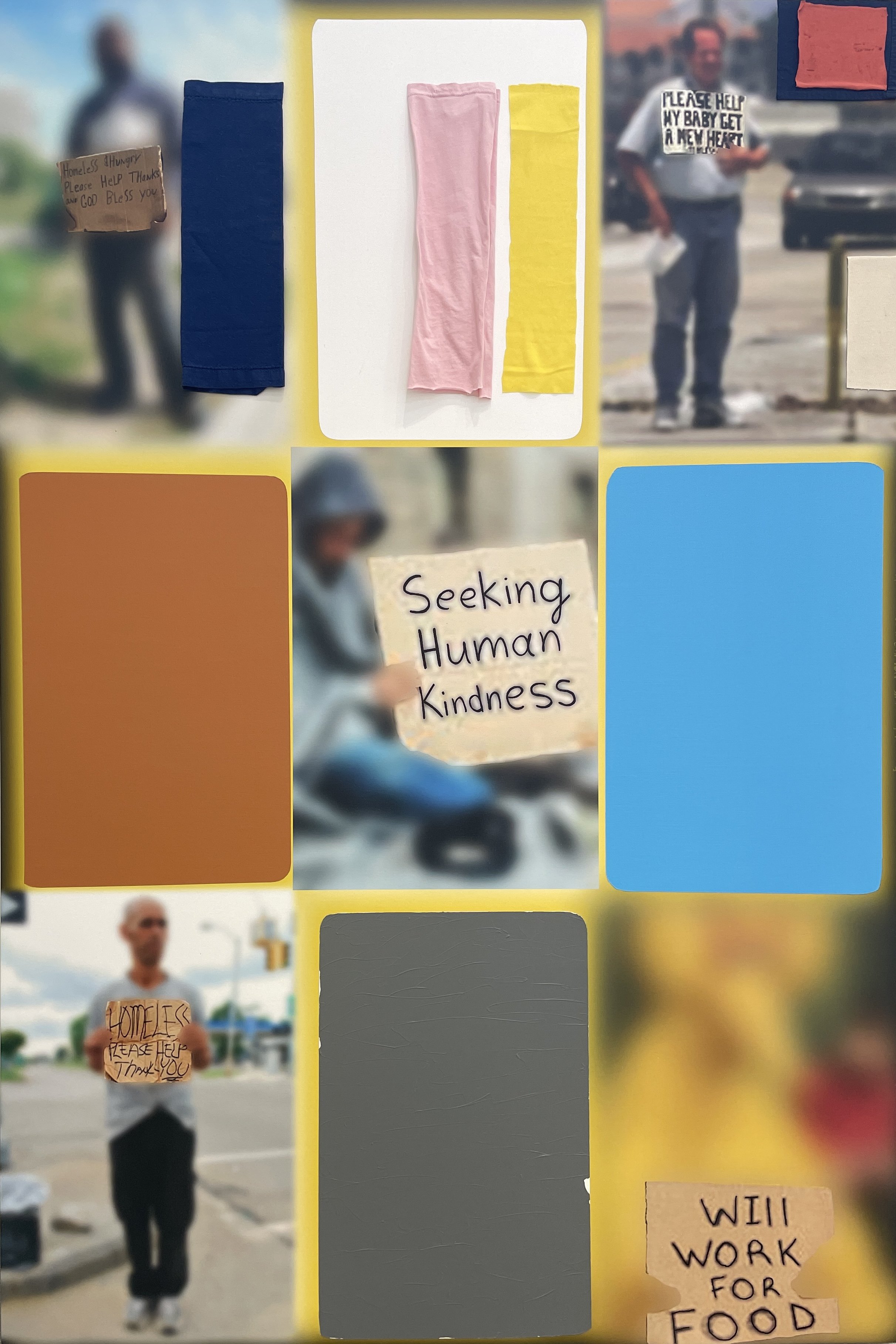
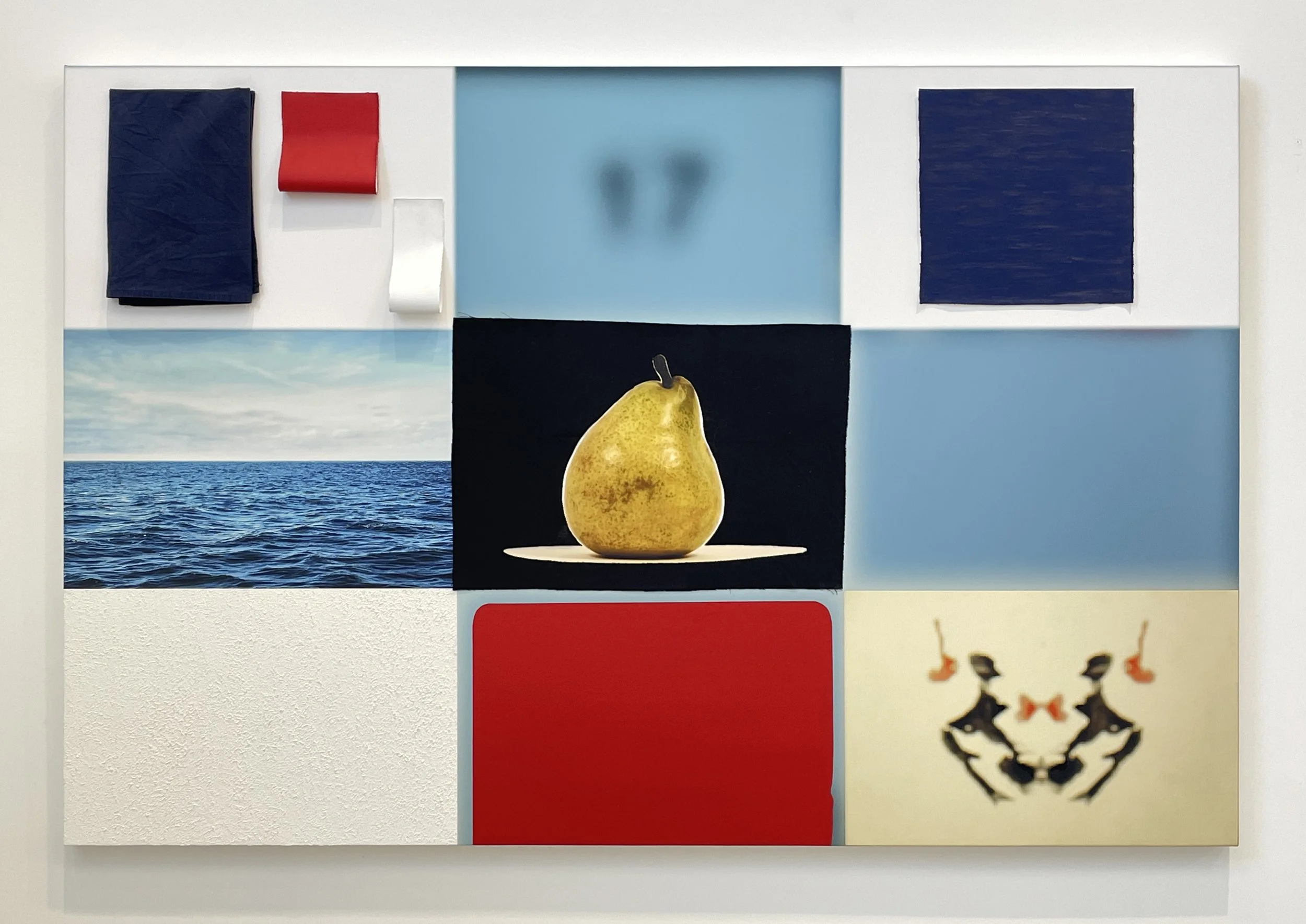
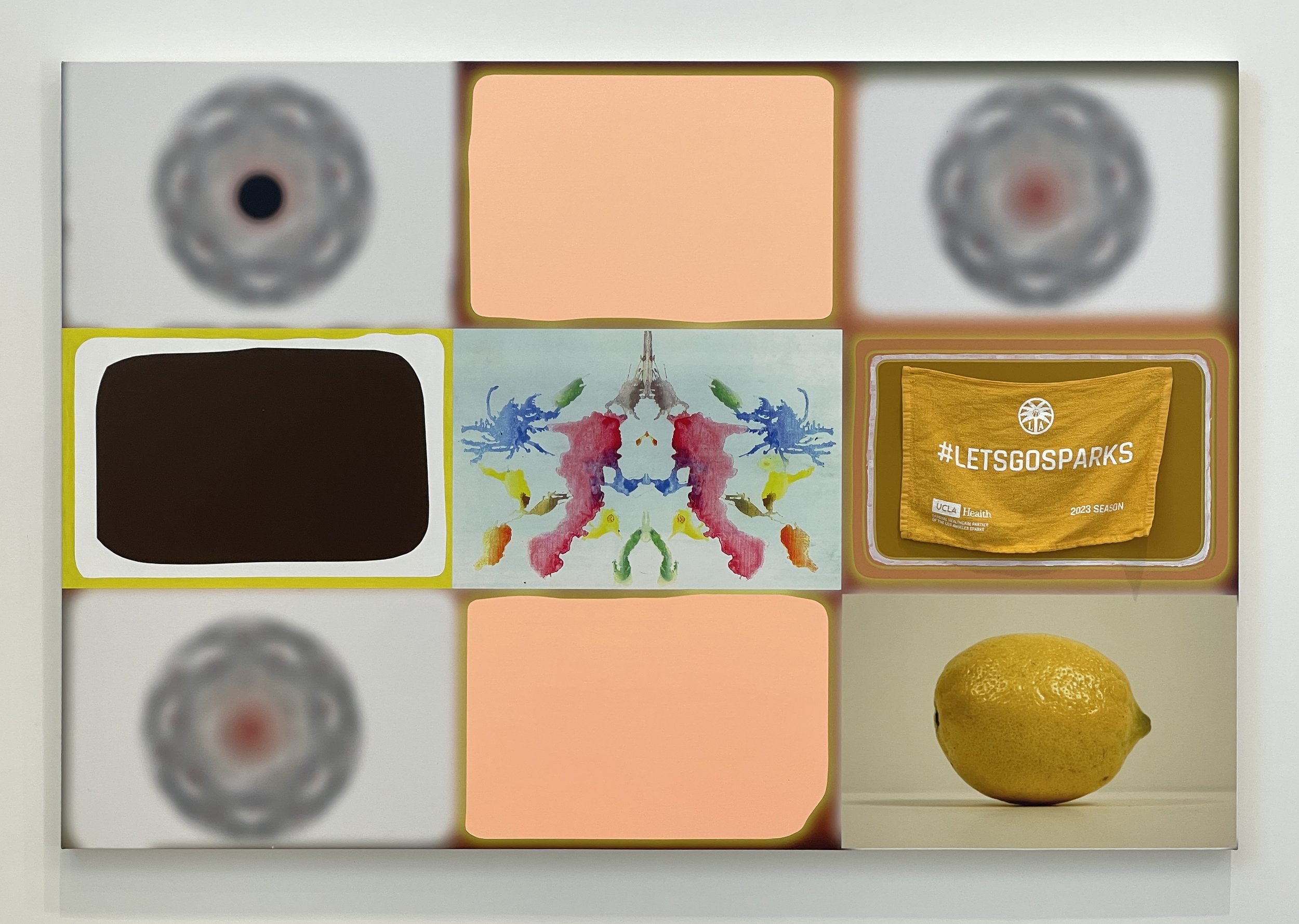
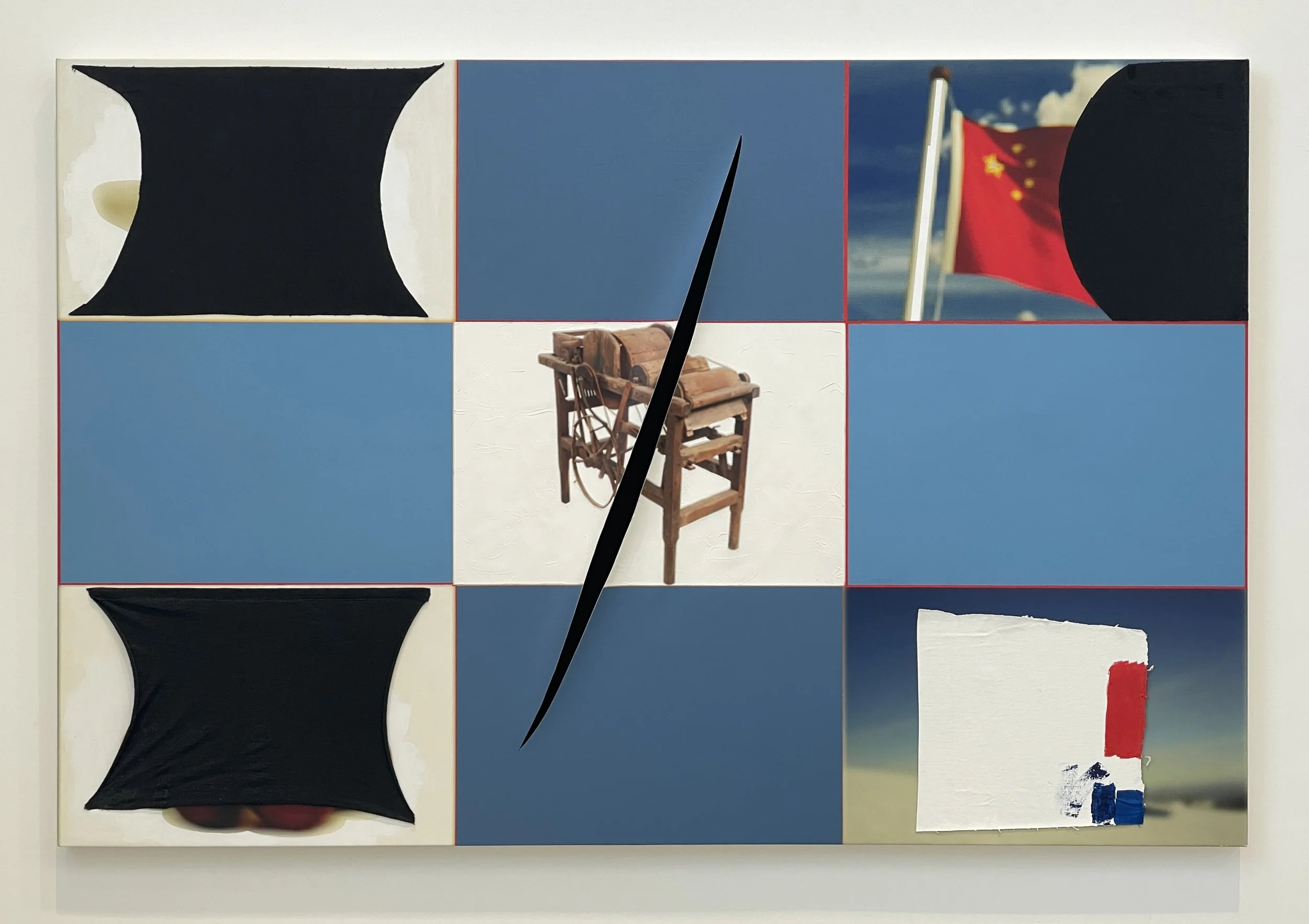
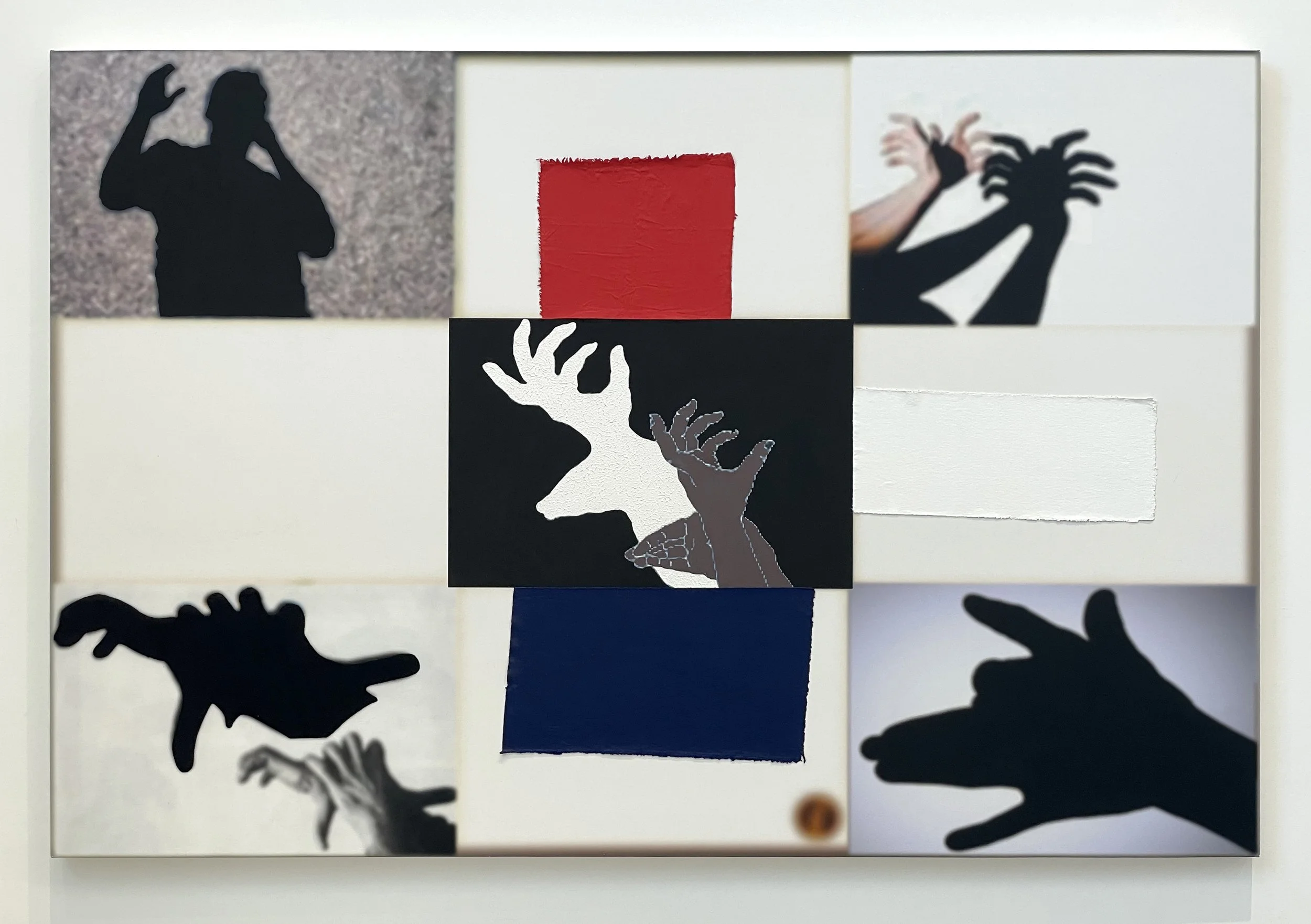
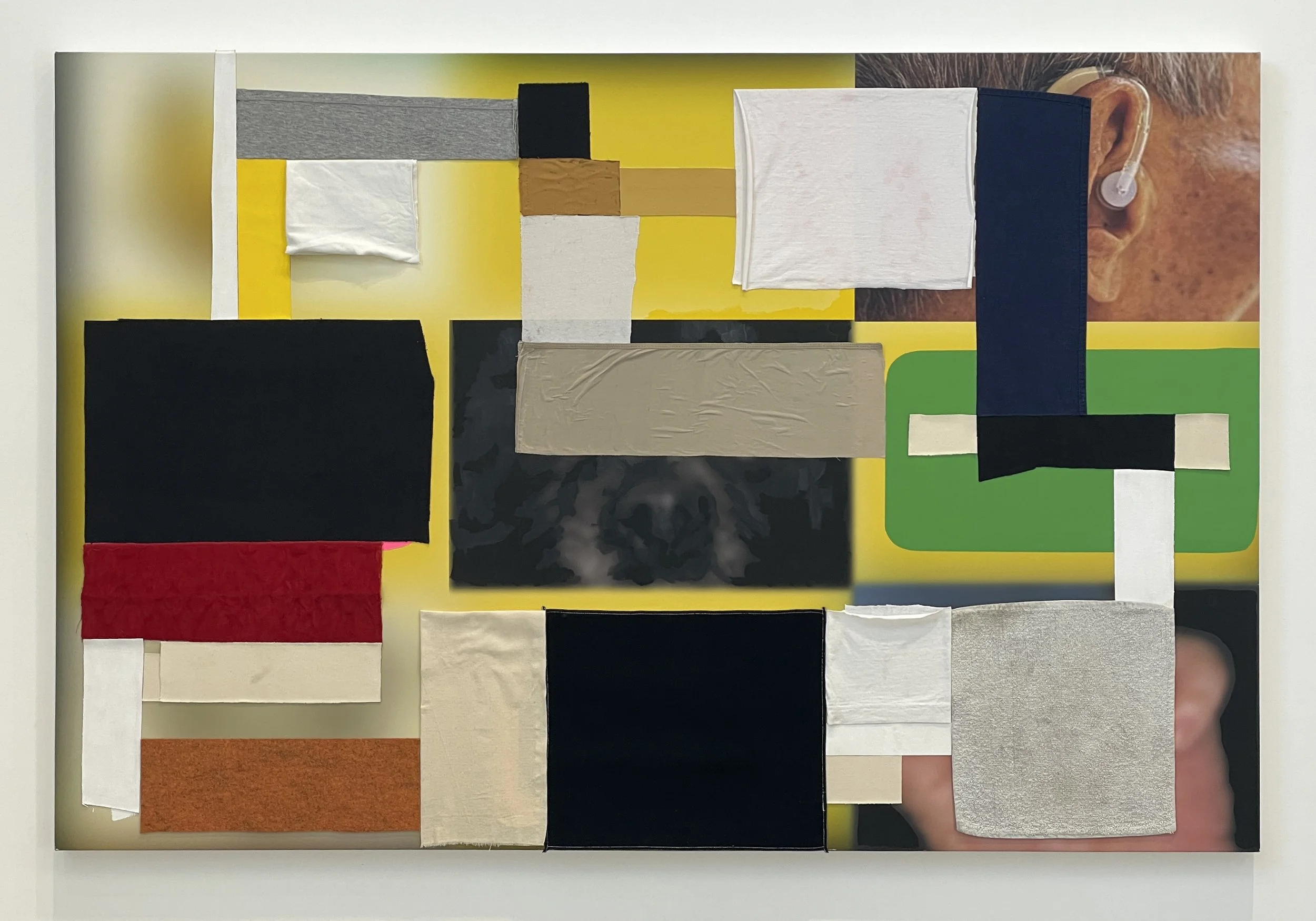
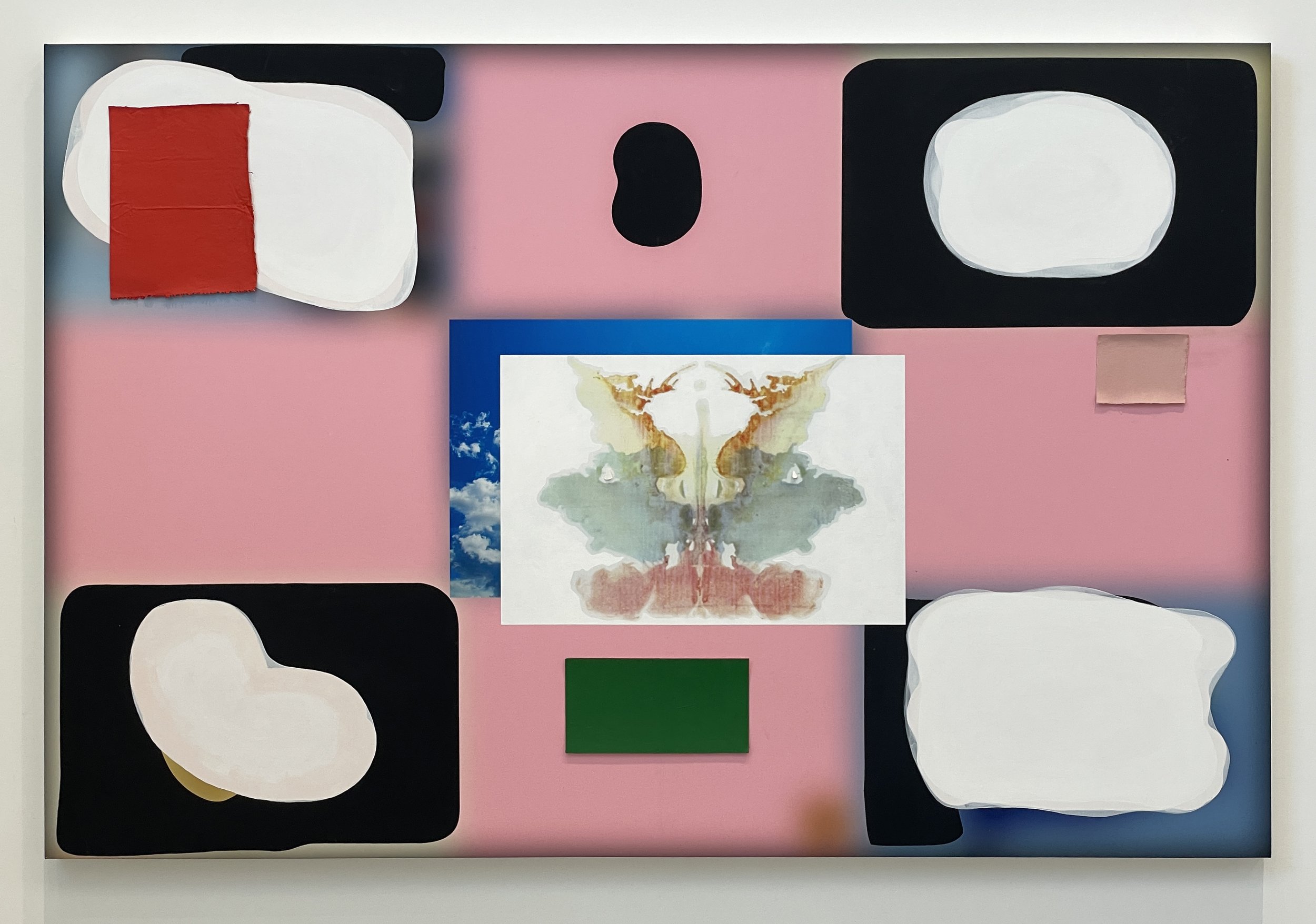
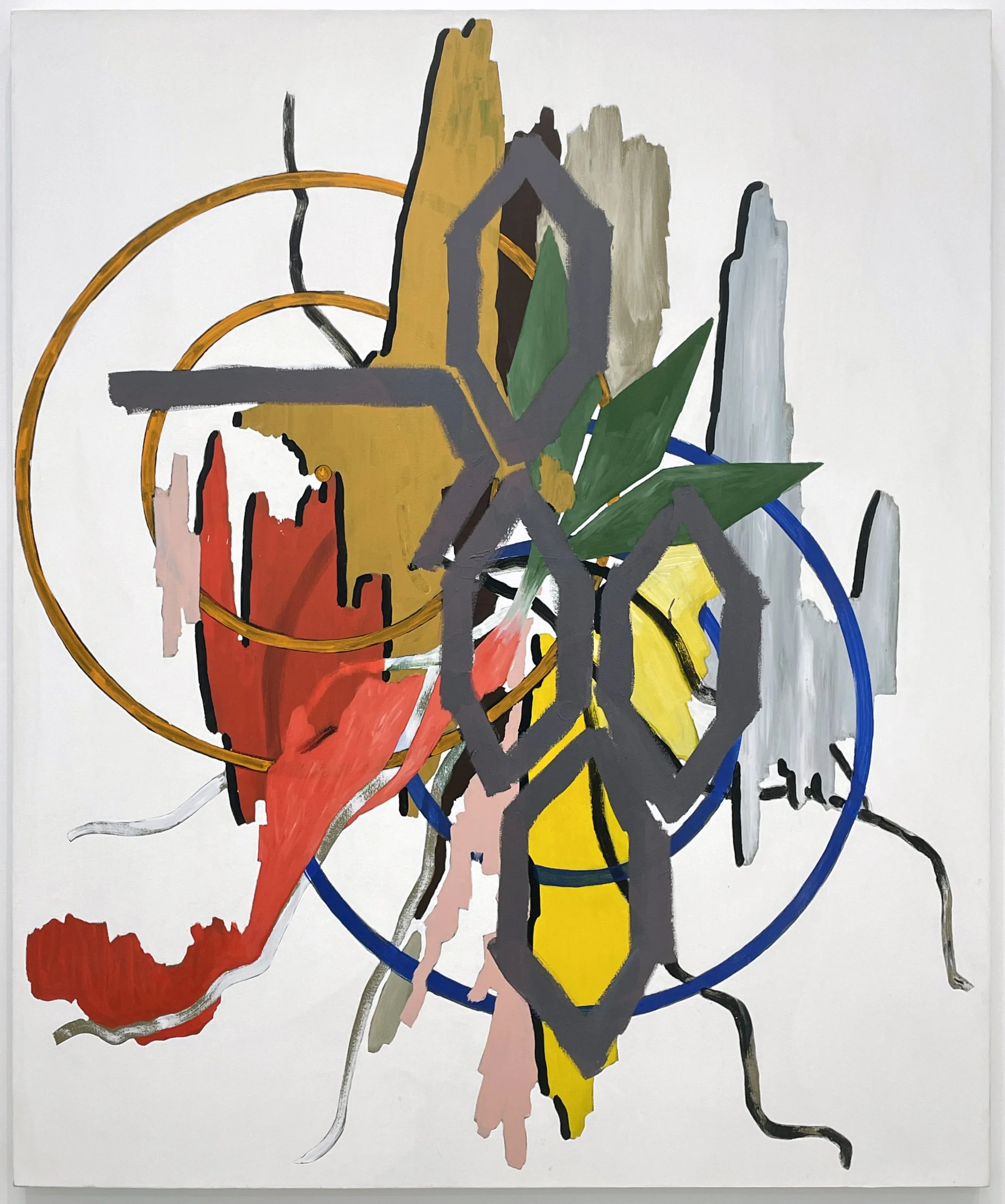
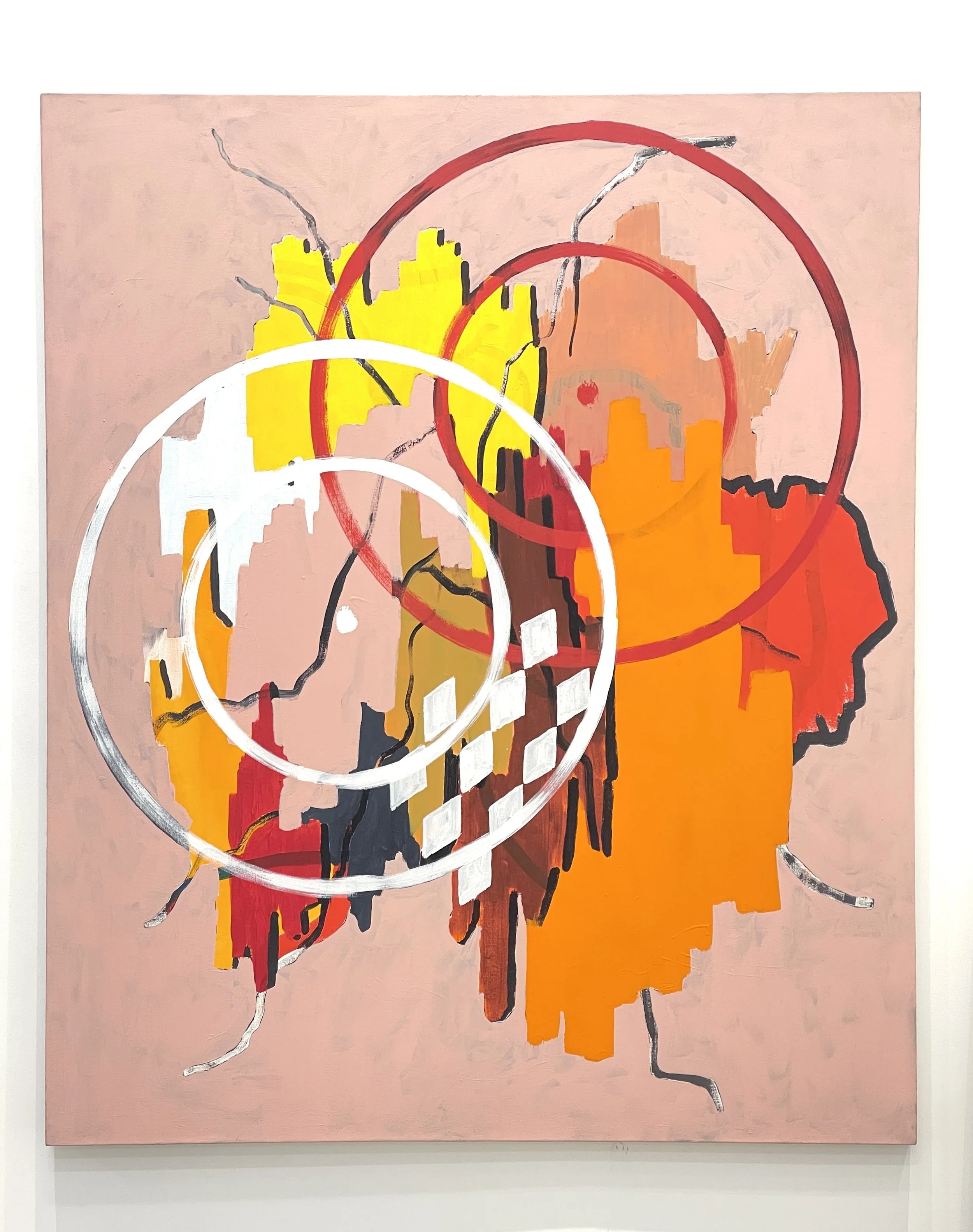
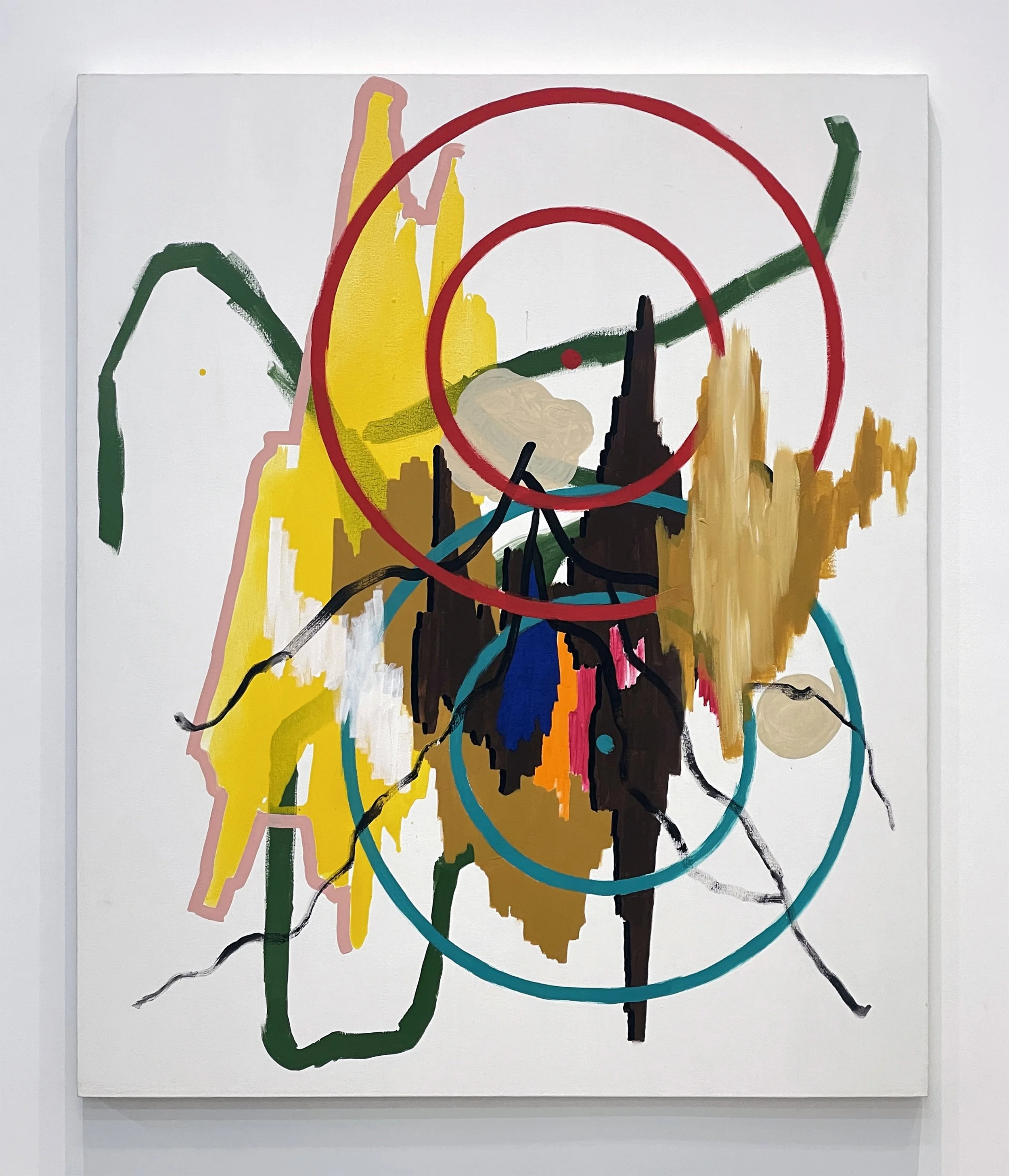
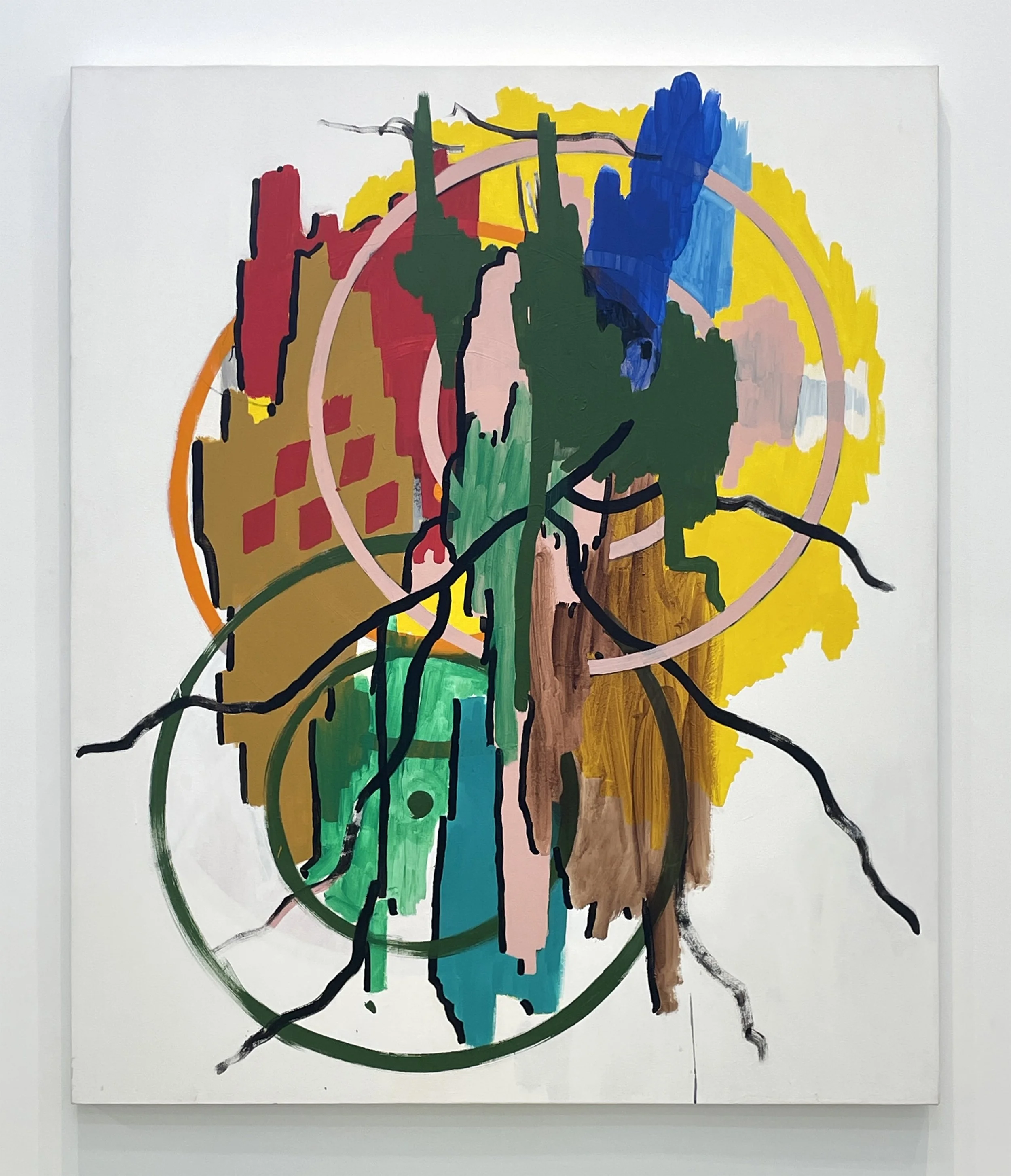
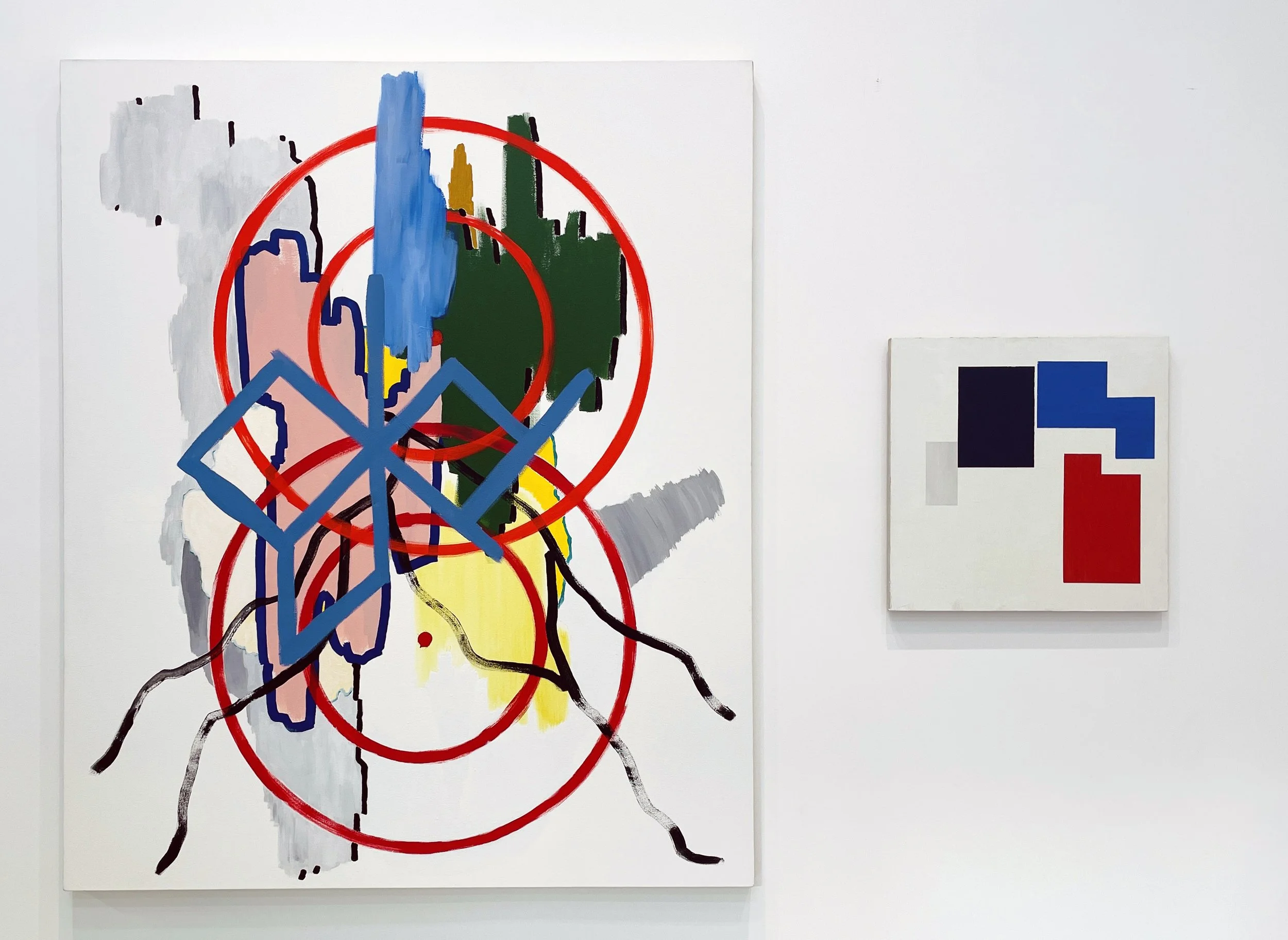
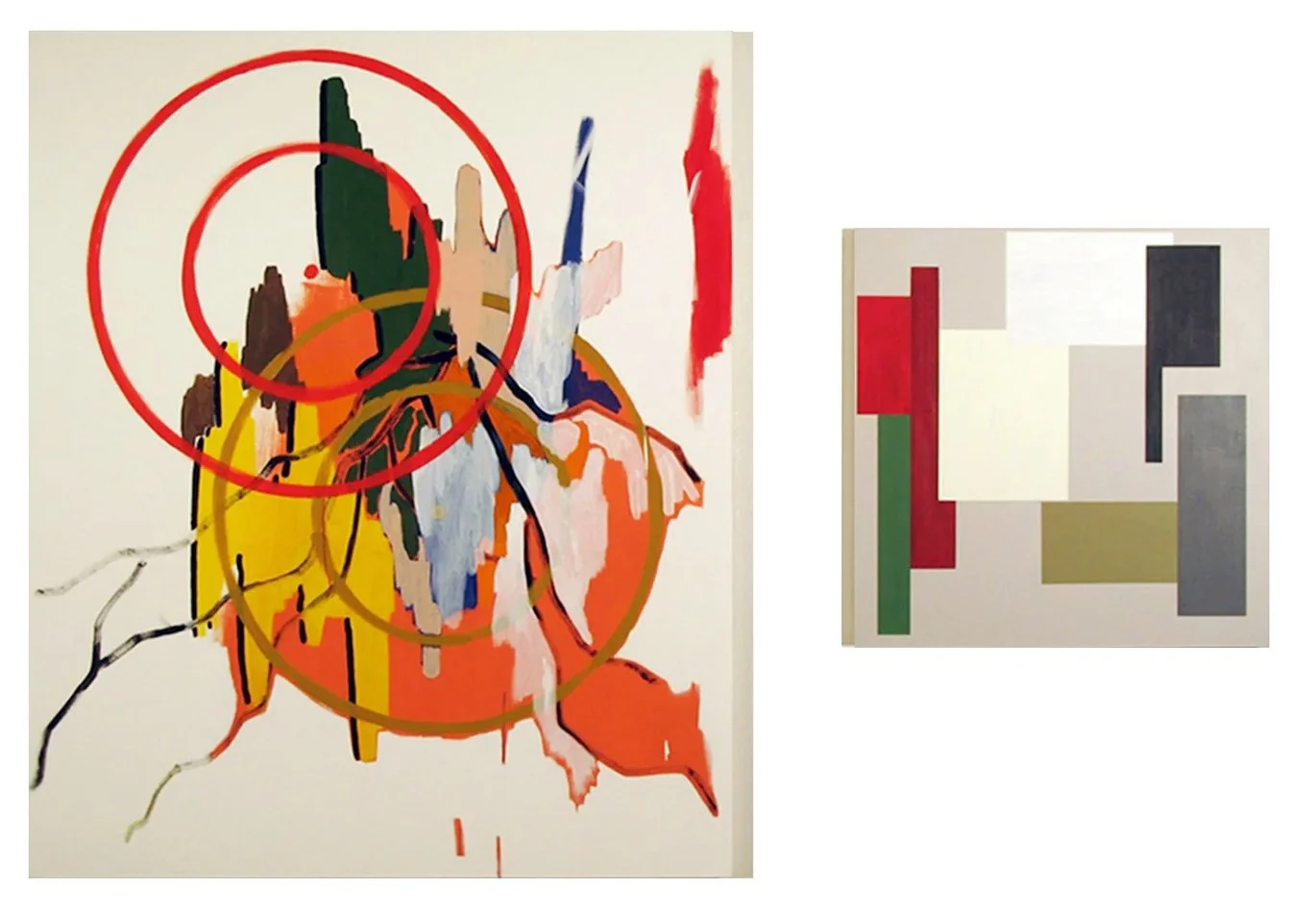
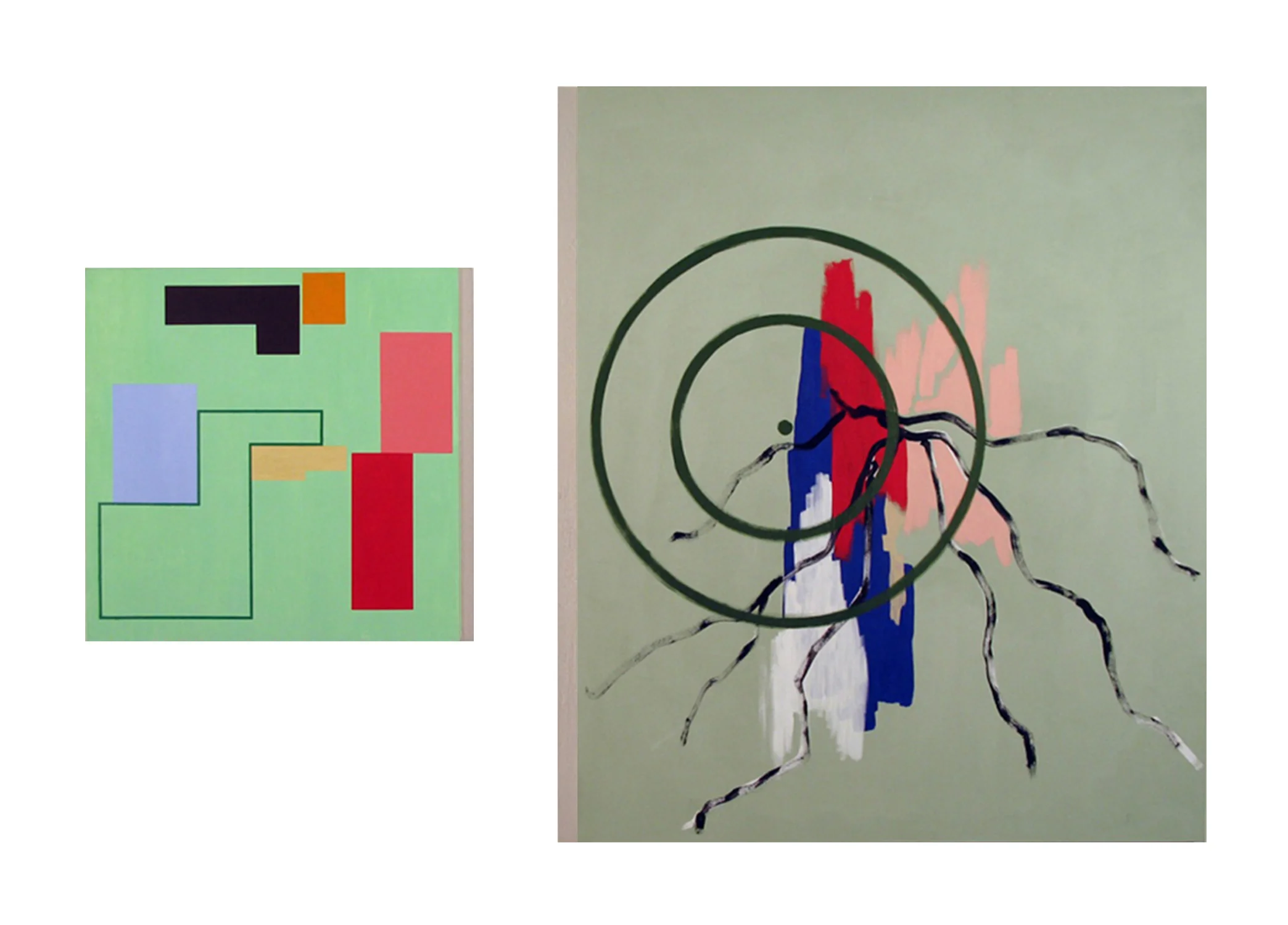
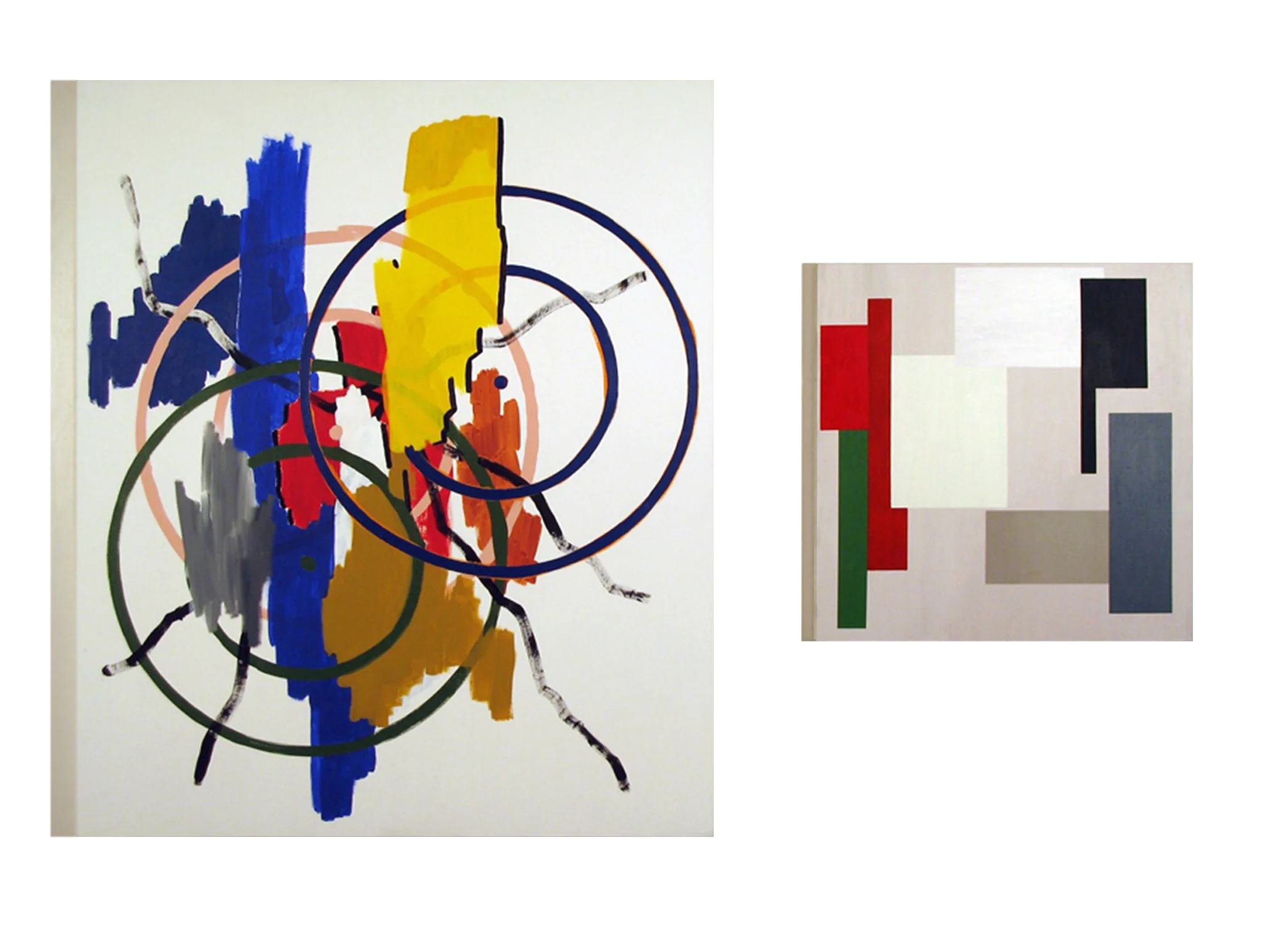
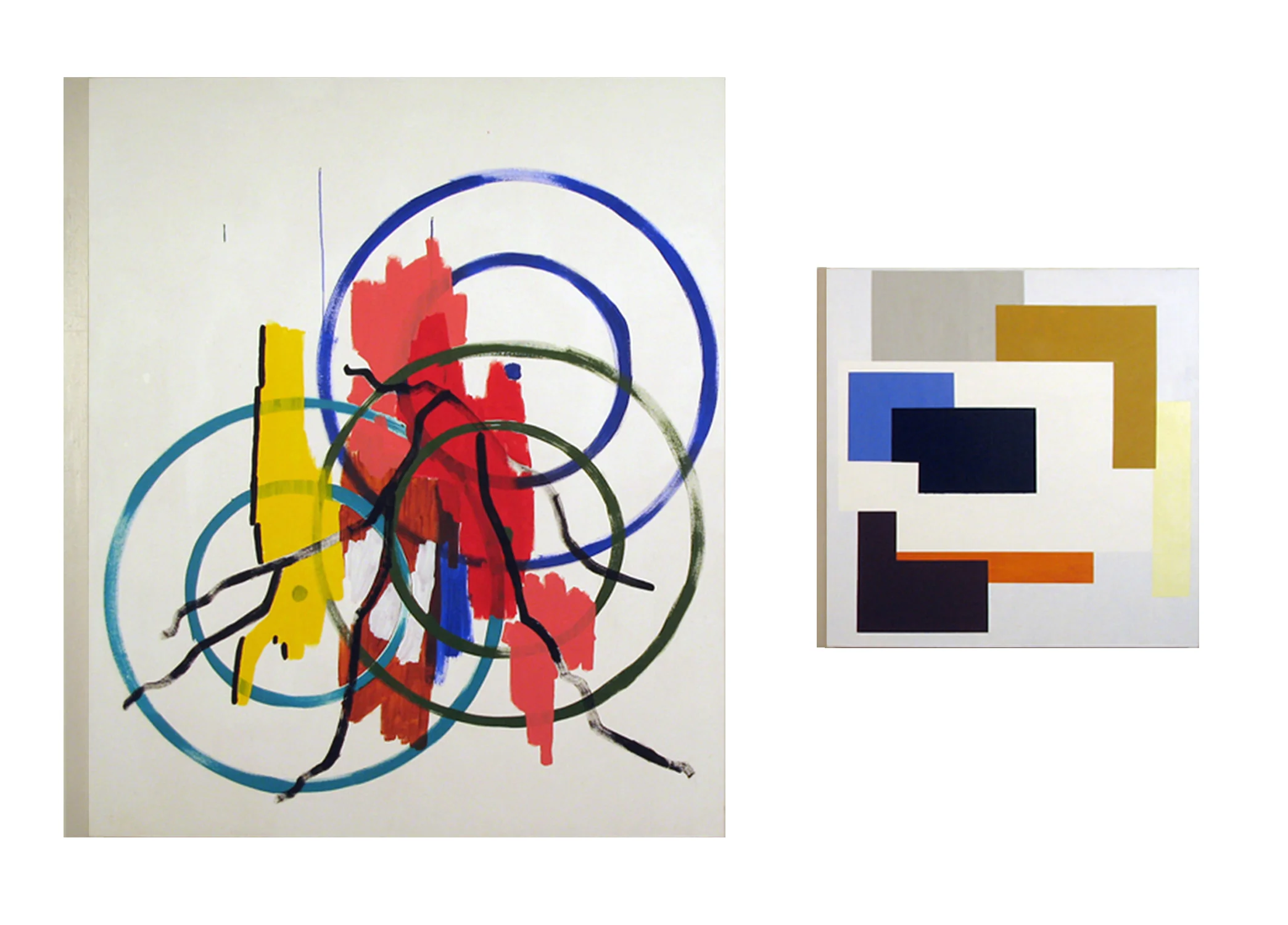
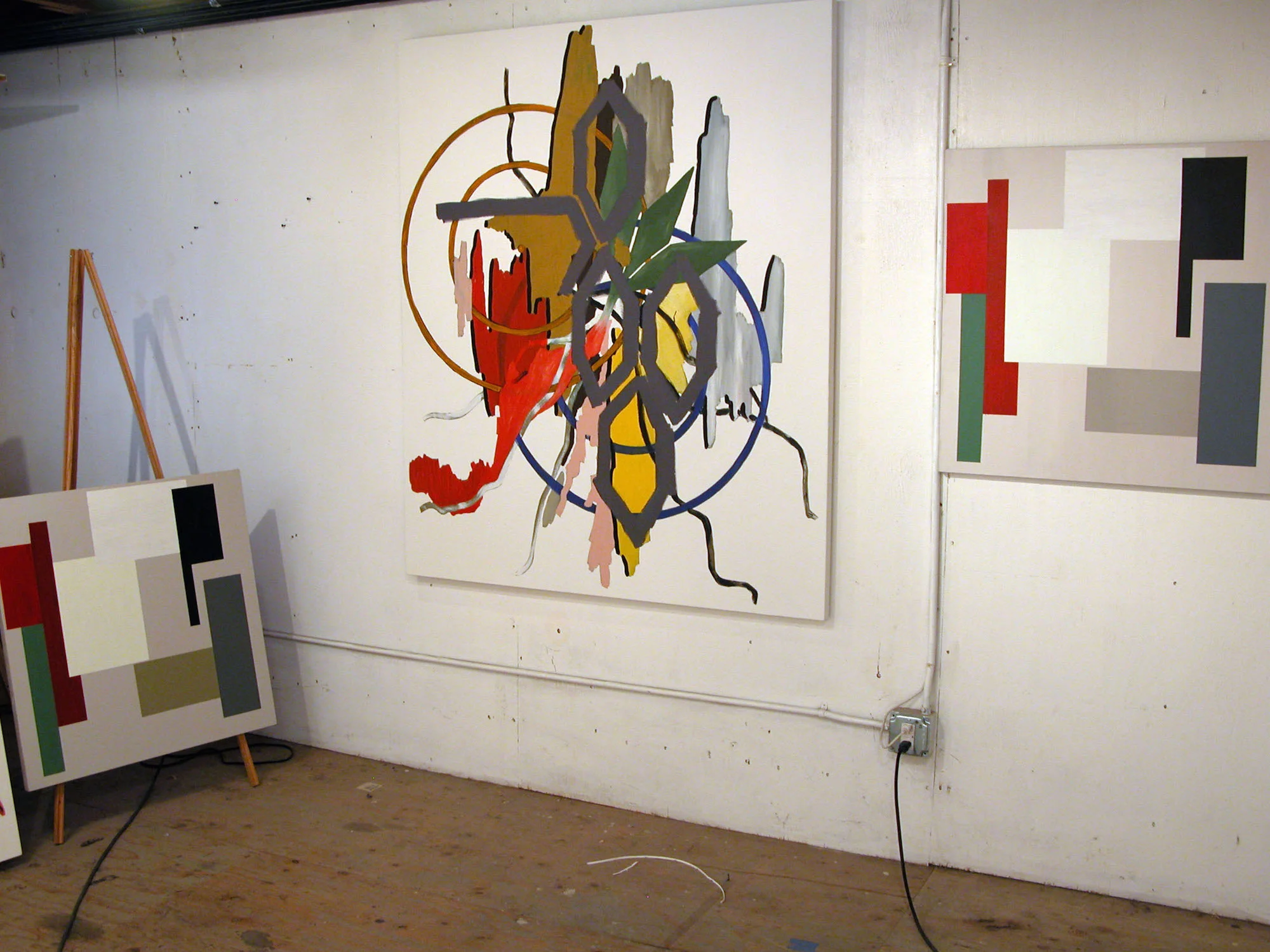
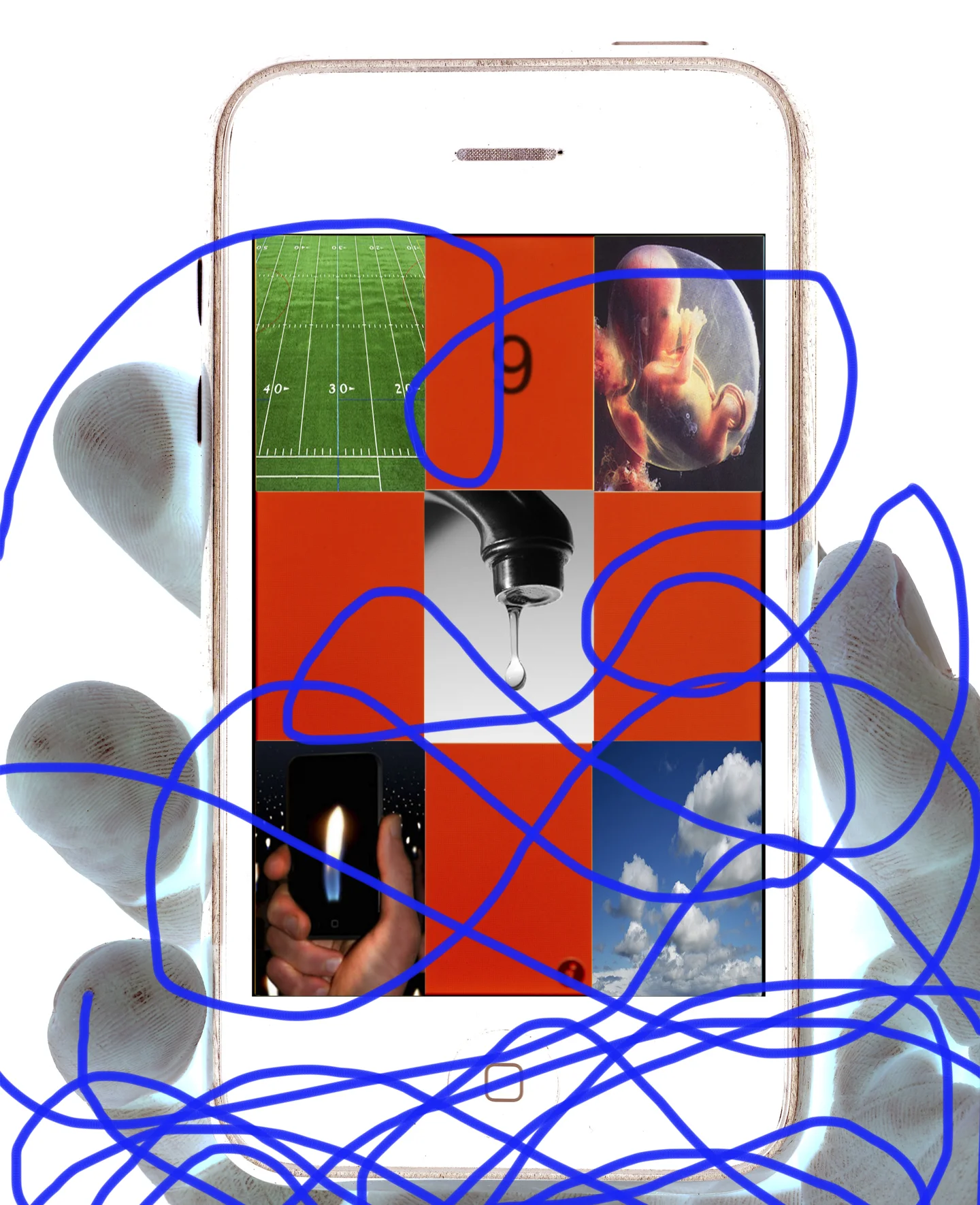
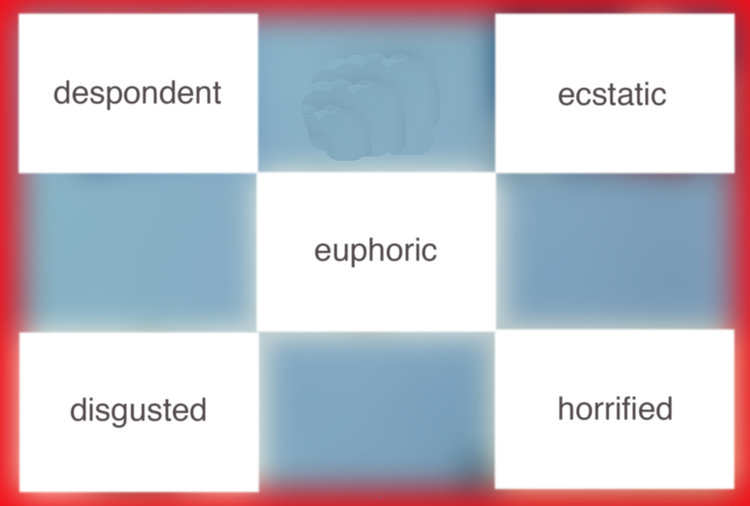
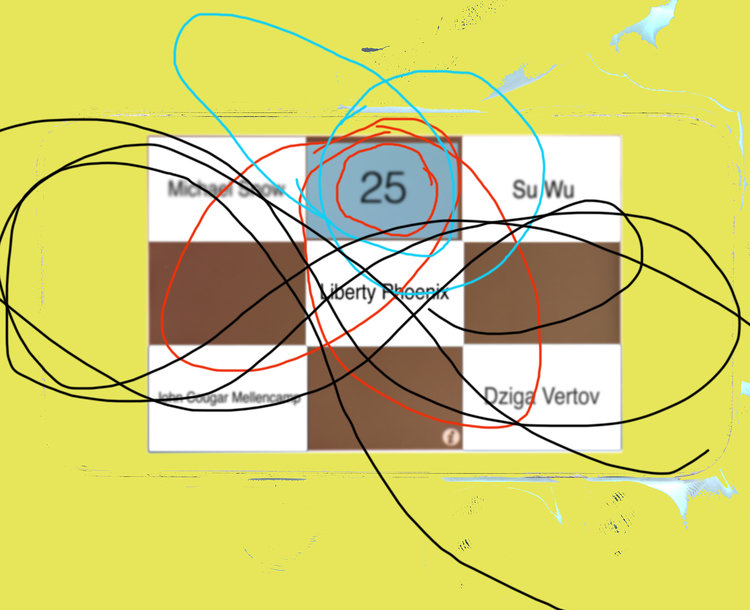
Kent Young’s new works incorporates a pattern of a nine-unit grid that extends through all the paintings. There is, however, an active relationship between the units. We mostly (but not always) find in each grid unit an image of an object or an actual material object. In the case of the latter there is a further difference. They can be discrete material objects like pieces of canvas, board, or paper. But in another context the same objects can be called things. The difference is that an object is a physical item, a thing can be anything: an idea, an object, a situation. For example, In Gutenberg we find things like a paint brush stroke on colored paper (the brush stroke is a reverse image where the orange is painted over the white rather than white over orange, the effect is that of a white brush stroke). in Painkillerwe find grid units painted in a color or covered with a colored material, sometimes colored canvas or paper board might be attached to the unit’s surface area. These examples are more appropriately called things rather than objects. This is because they are not intended just to be physical objects but to form an idea. They appear to have a syntax. Whereas a piece of paper is an object, it can also be a thing if it is deployed as part of an arrangement: a technical process to execute a formal strategy or to give it the power of figuration to signify something other than what it is. This mutating change in identification constantly pushes against the singularizing rigor of the grid.
In Young’s work this difference between objects and things is a factor because he actively integrates objects and things in the areas that are non-imagistic. This is not to say that one cannot represent an image of a thing, but the difference doesn’t play out in representation because as such all images are things. The photograph is an object, but the photographic image is always a thing because, as a representation of an object or thing, it is intended to produce an experience or an idea. Everything in a photograph is produced by the photographic process. This is not the case with painting. Although it is true that the intent to make a painting precedes anything that is in it, nevertheless everything in a painting is not an image.
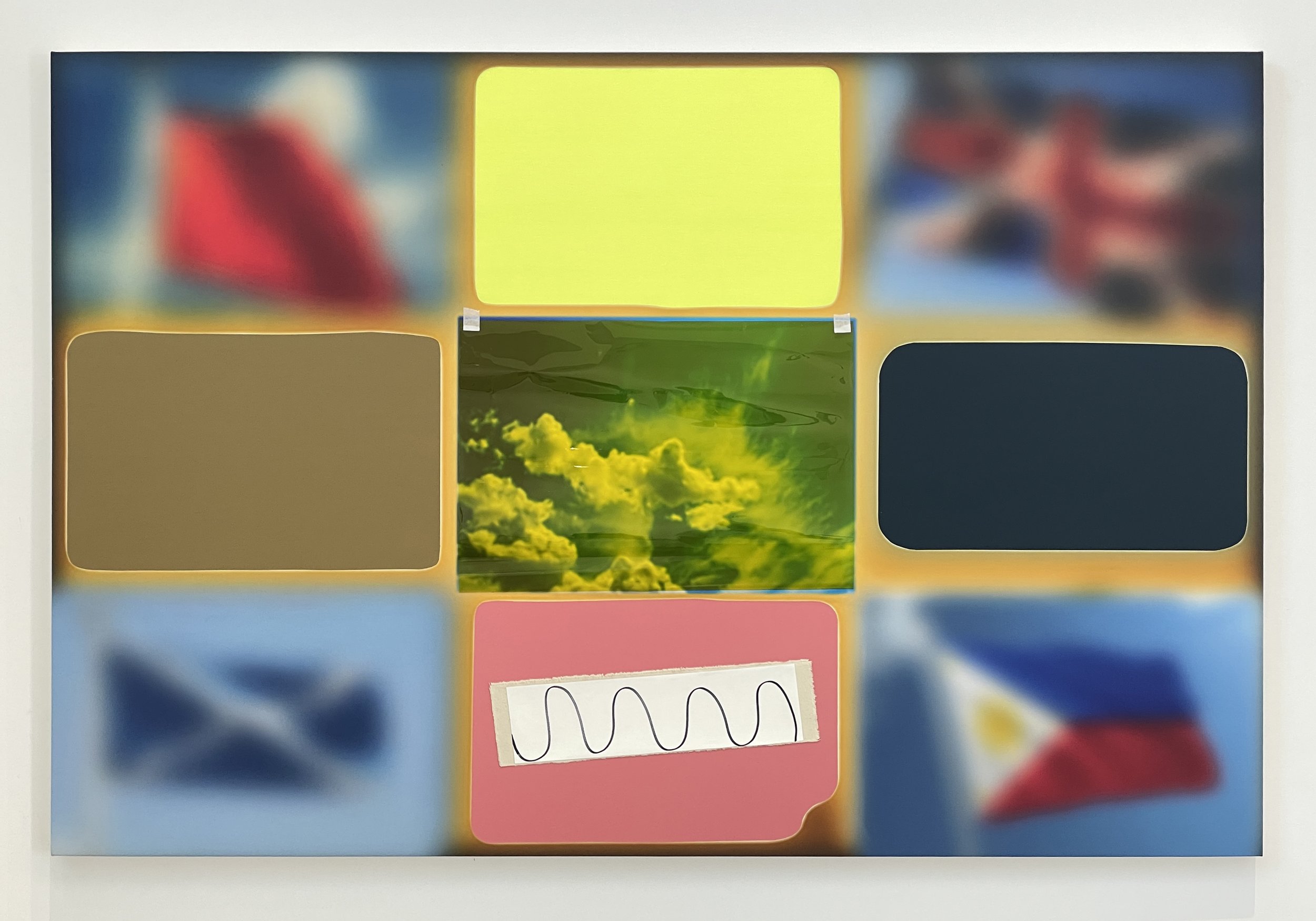
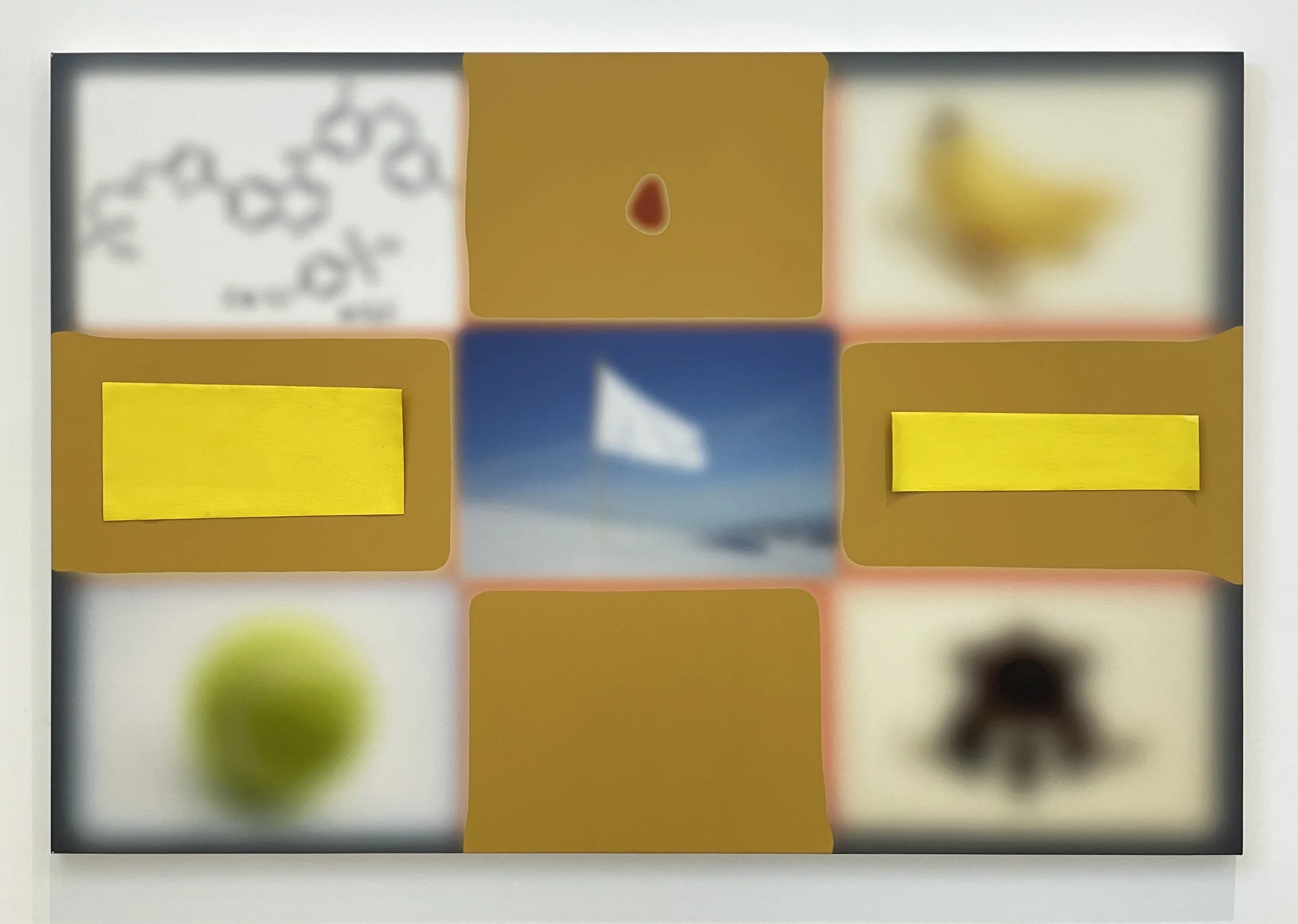
This complex dialogue around things, objects and images is central to Young’s practice as we parse out the context by which something can be regarded or defined. Things such as a painted canvas can simultaneously serve the purpose of representation where it can advance a concept or idea. A blurred can of soup for example, (see Pineapple), is a visual metaphor (blurring is literally a phenomenon of vision, a soup can cannot itself “blur”). What this means is that a thing like a colored grid unit may be perceived as out of focus making it an illusion, which then makes it an image. It has this capacity because blur is an experience or an act, it is what you do to something or it is a function of perception, it is not an object.
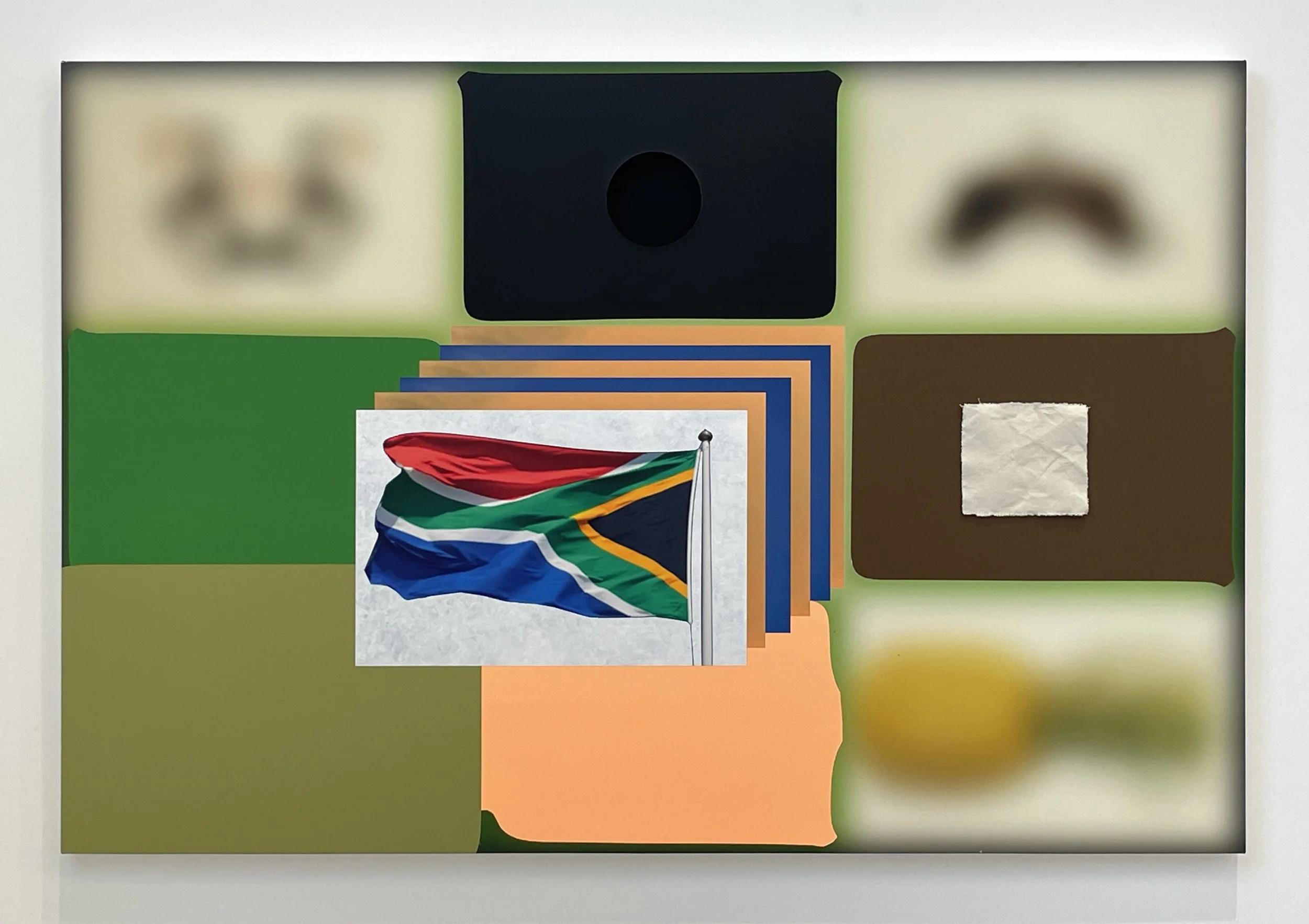
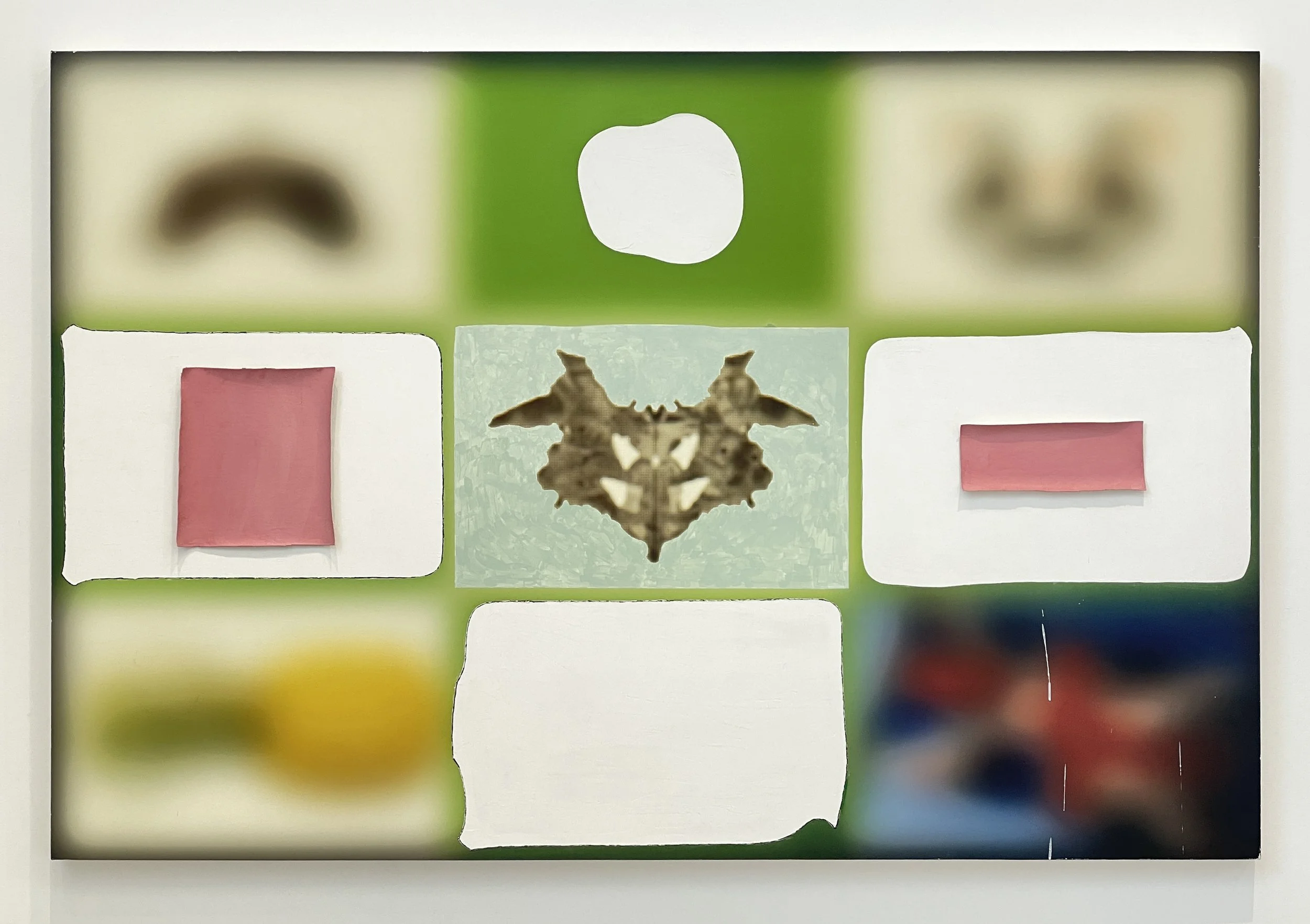
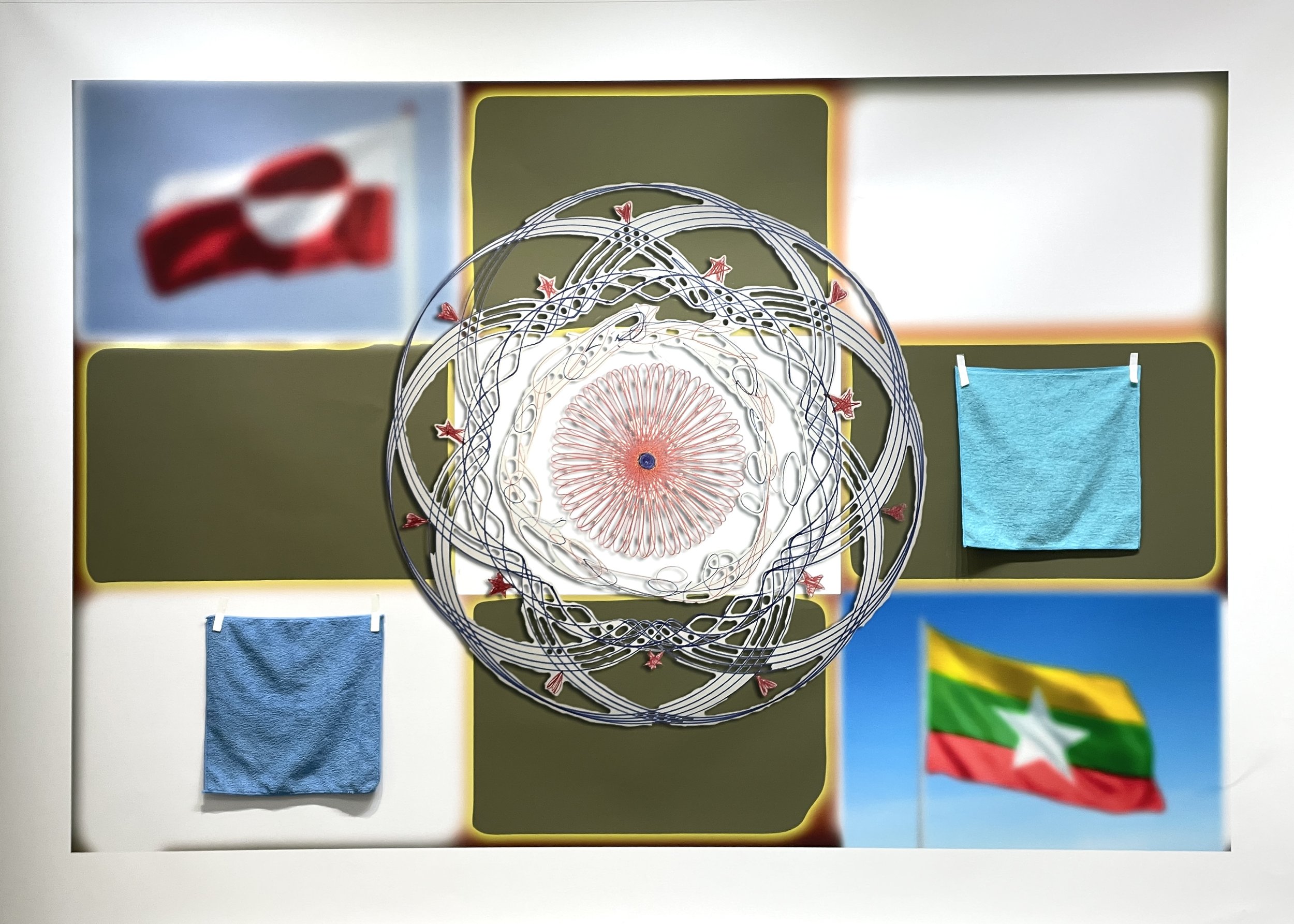
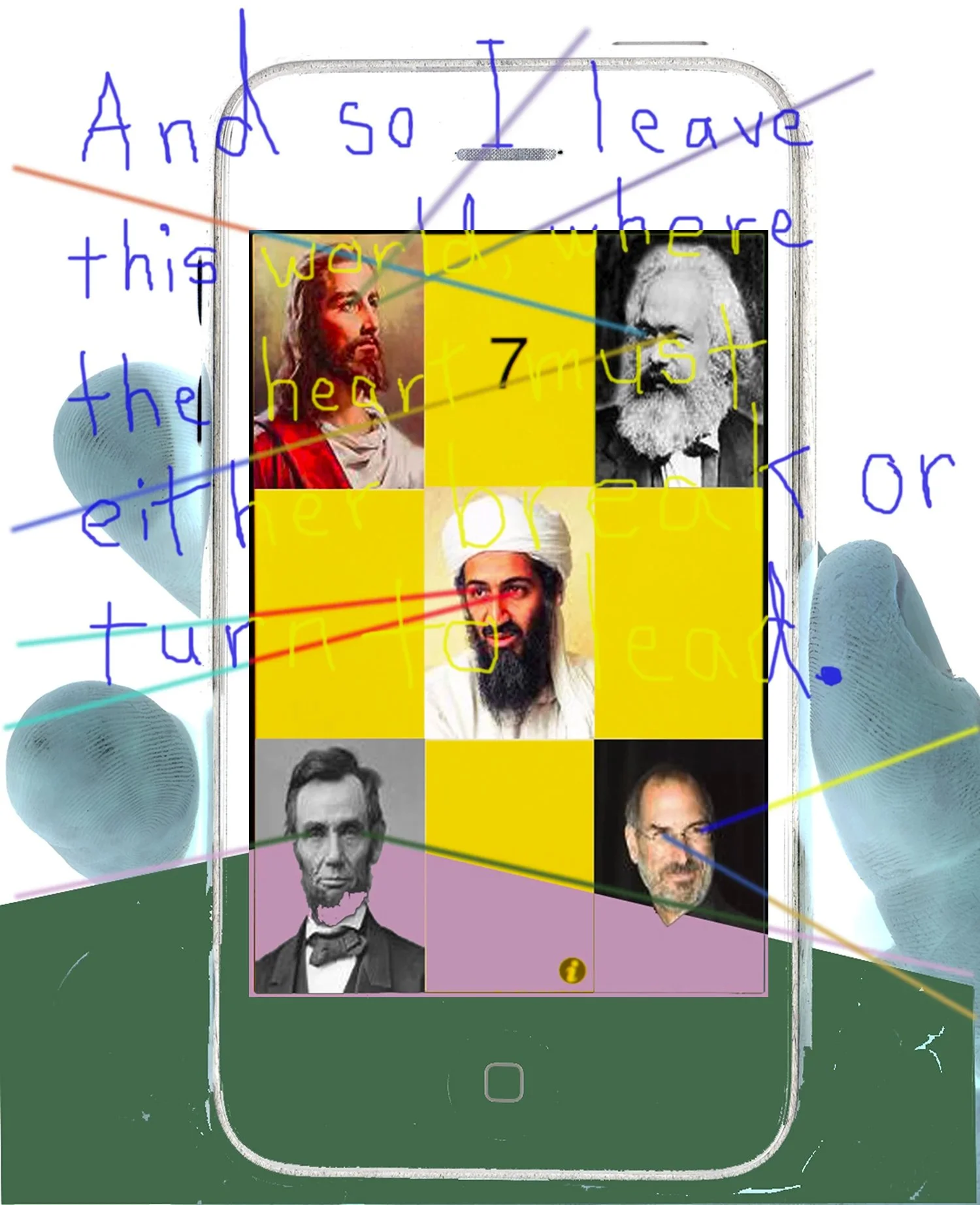
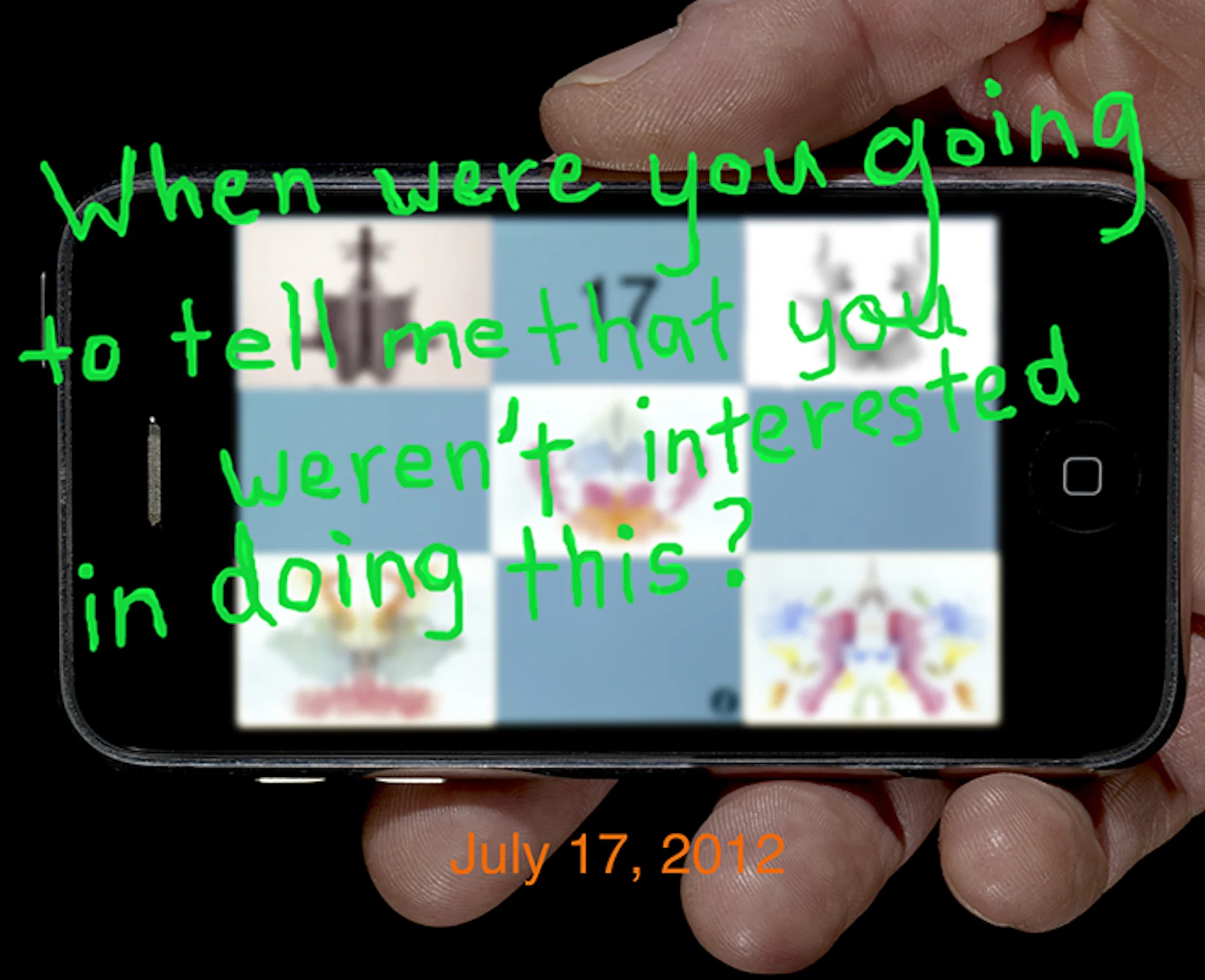
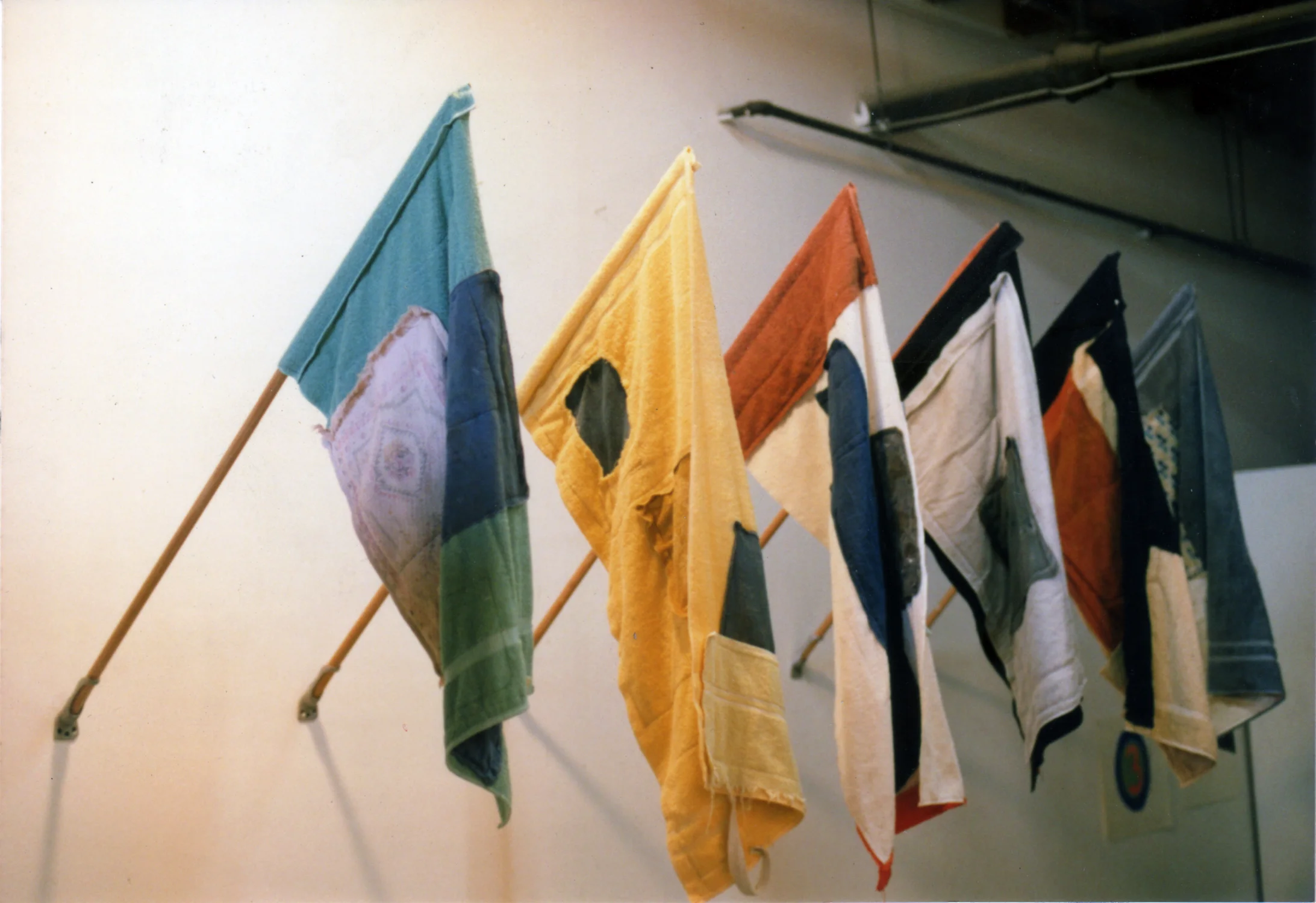
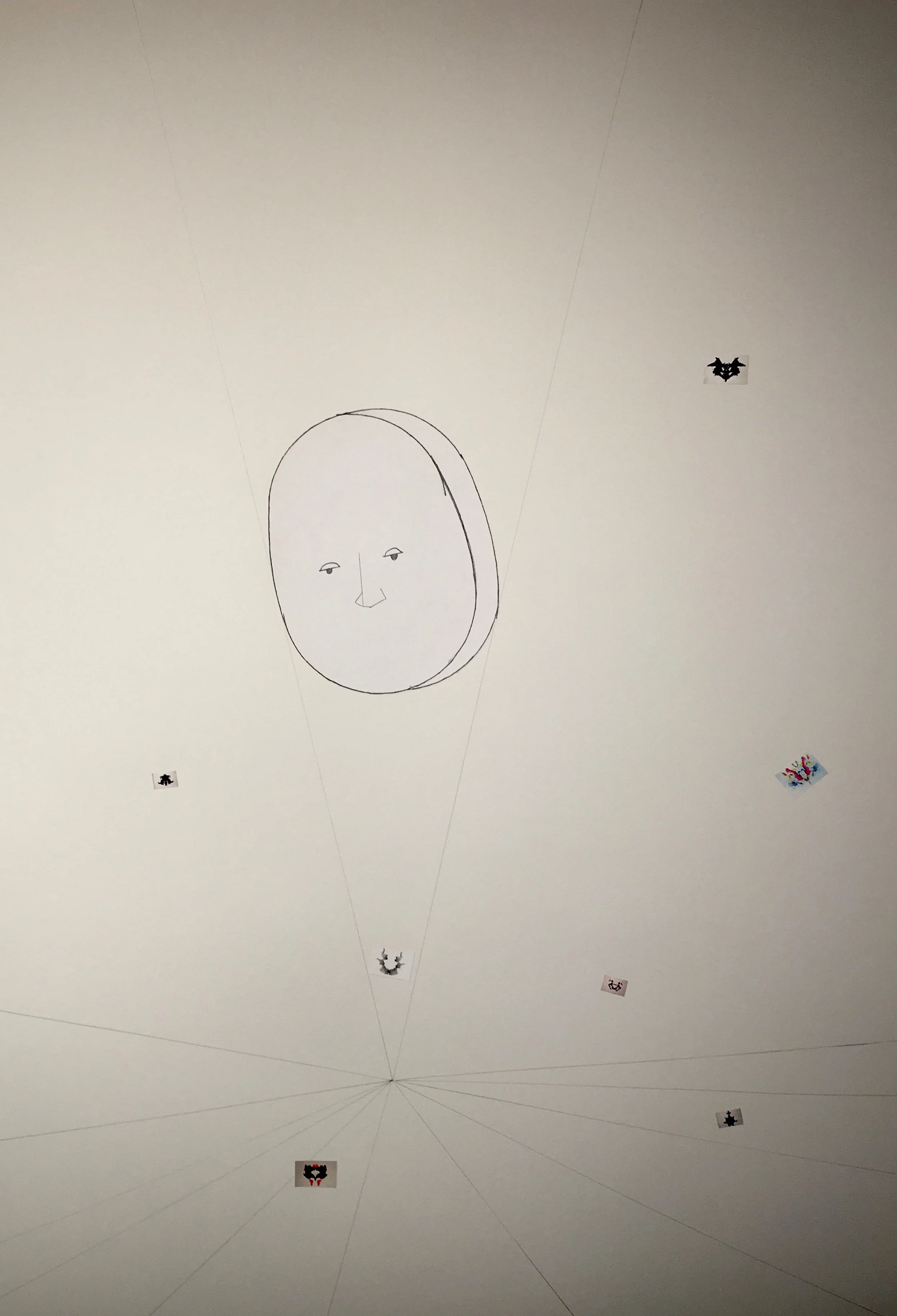
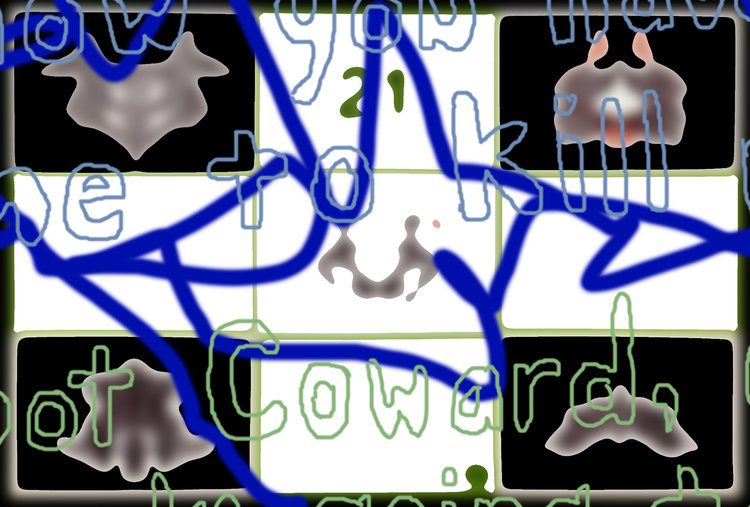
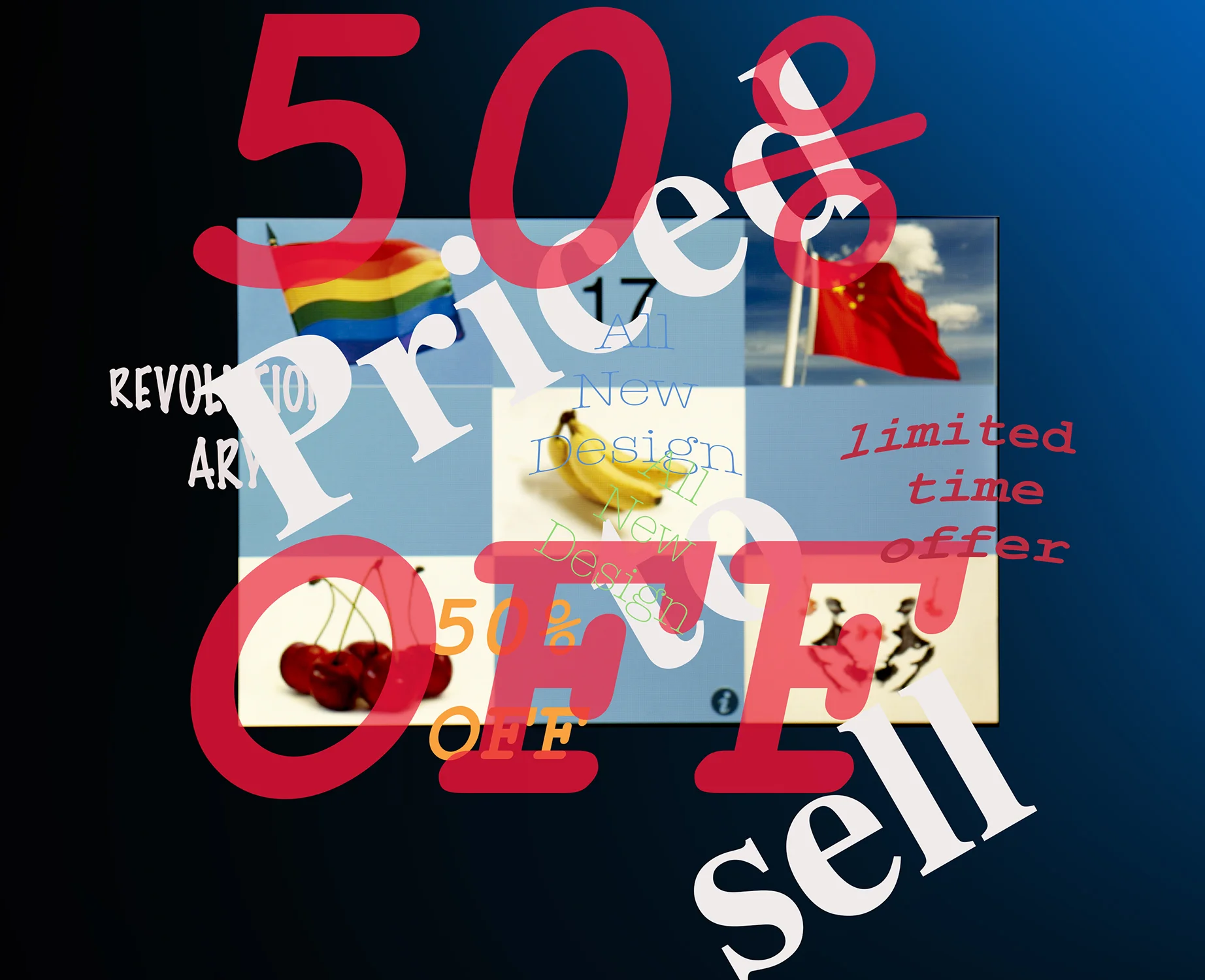
An image of an out of focus object as it might appear in an out of focus photograph or to a person who has vision problems is very common in Young’s paintings. This creates the illusion that the solid-colored area is also out of focus even though it is literally a flatly painted surface. Sometimes, lying on top of this blur is an actual thing or object like a piece of paper or canvas, or a paint stroke whose edges, because it is a real thing, are not blurred but sharp. A spatial illusion is created that is complex, the “in focus” object appears to float above the “blurred” background. But the paper is literally layed on top of the colored area, no illusion. Nevertheless, there is an optical perception that the object is “floating.” Here we find a play between reality and illusion, the literal and the metaphorical, which is animated by how one defines what one is seeing whether image, object, or thing. Additionally, in Gutenberg, the painted press is cutout and glued over a computer image of the same press, a play on the paradoxical relationship between image and object. We also see paint gestures that are not paint gestures; in Gutenberg what we think is a white paint stroke is actually the white background, the literalness of single brush strokes is undermined. Many of the works feature one type of object, such as the untitled work made up of flags, or the work (also untitled) predominantly made up of Rorschach images (Give Up. take), or the work Chess Pieces (Verde, Blanco, Rojo), predominantly made up of chess pieces, as well as Pineapple. Also, single brushstrokes can be presented literally as things which can also be interpreted figuratively as gestures. The perceptual/cognitive paradoxes this produces is a function of the liminal space between reality and illusion, between object and image.
Much of the images Young uses are derived from computer image files. This along with their placement in a grid makes them appear to be random listings or associations, which, in turn begs the question with respect to the formation of meaning. The uncertainty around meaning is a product of Young’s disinterest in providing a framing narrative that might explain the meaning of their relationship to each other. Young argues that narrative is traditionally based on causality. Therefore, relationships that are formed by this he argues is an illusion. What we are beginning to see is that a work of art is full of discrete cognitive, perceptual, and aesthetic phenomenon, which can form different patterns and relationships as a precursor to the formation of meaning, but in fact these patterns have no organizing principle, except for their ability to form relationships. The question is, if not for the formation of meaning what is responsible for these patterns? In fact, these relationships are more poetic than empirical. which, according to Young, makes these formations a product of illusion and distortion. That poetic interpretation like the formation of metaphoric relationships is a product of illusion and distortion. But for Young a reality where the facts are mediated by illusion and distortion makes more “sense” than a reality predicated on reason.
A concept that he points to as an influence is the Complex Adaptive Theory, which in general proposes a system that explains how things form patterns and relationships. Complex Adaptive Systems are not based in causality but in adaptability. In fact, causality is not a fundamental construct. Traits are individually discrete; they aggregate into new forms based on adaptability. In the area of anthropology and biology it offers an alternative to evolutionary theories where change and selection are the product of cause and effect. Gregor Mendel, the founder of genetics, suggested that the same theory of selection can be applied to speciation, removing the idea of survivability as a causal function.
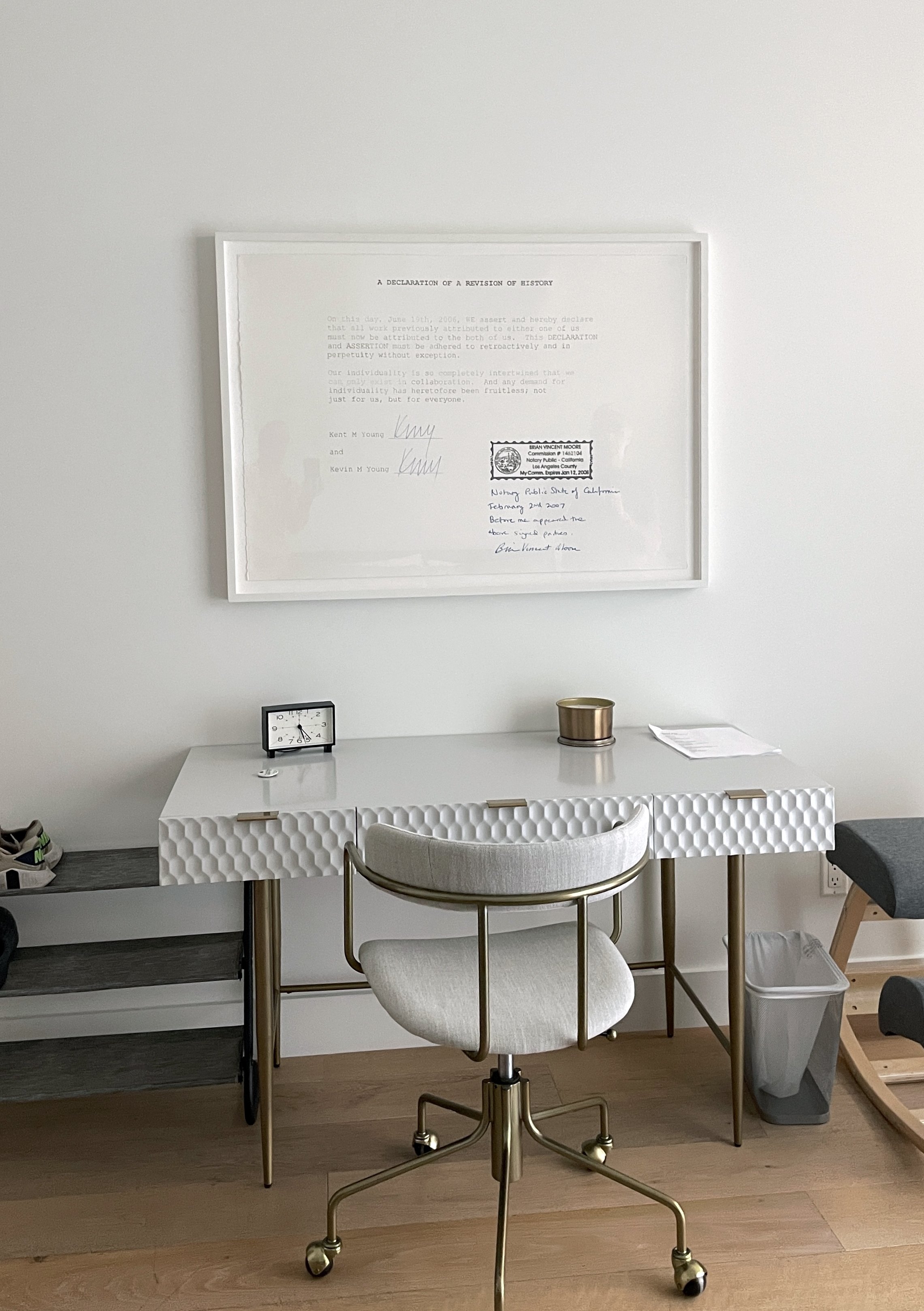
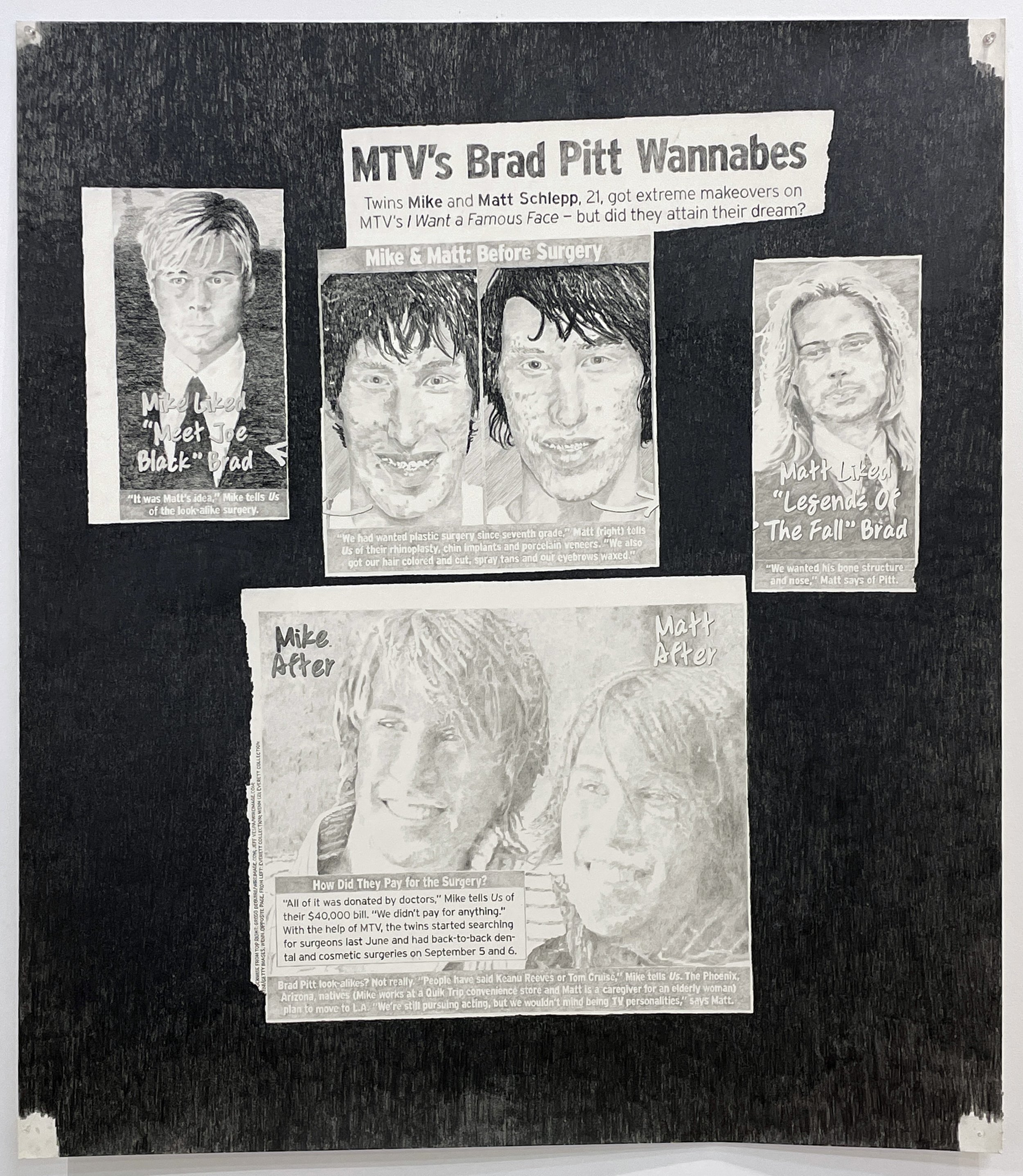
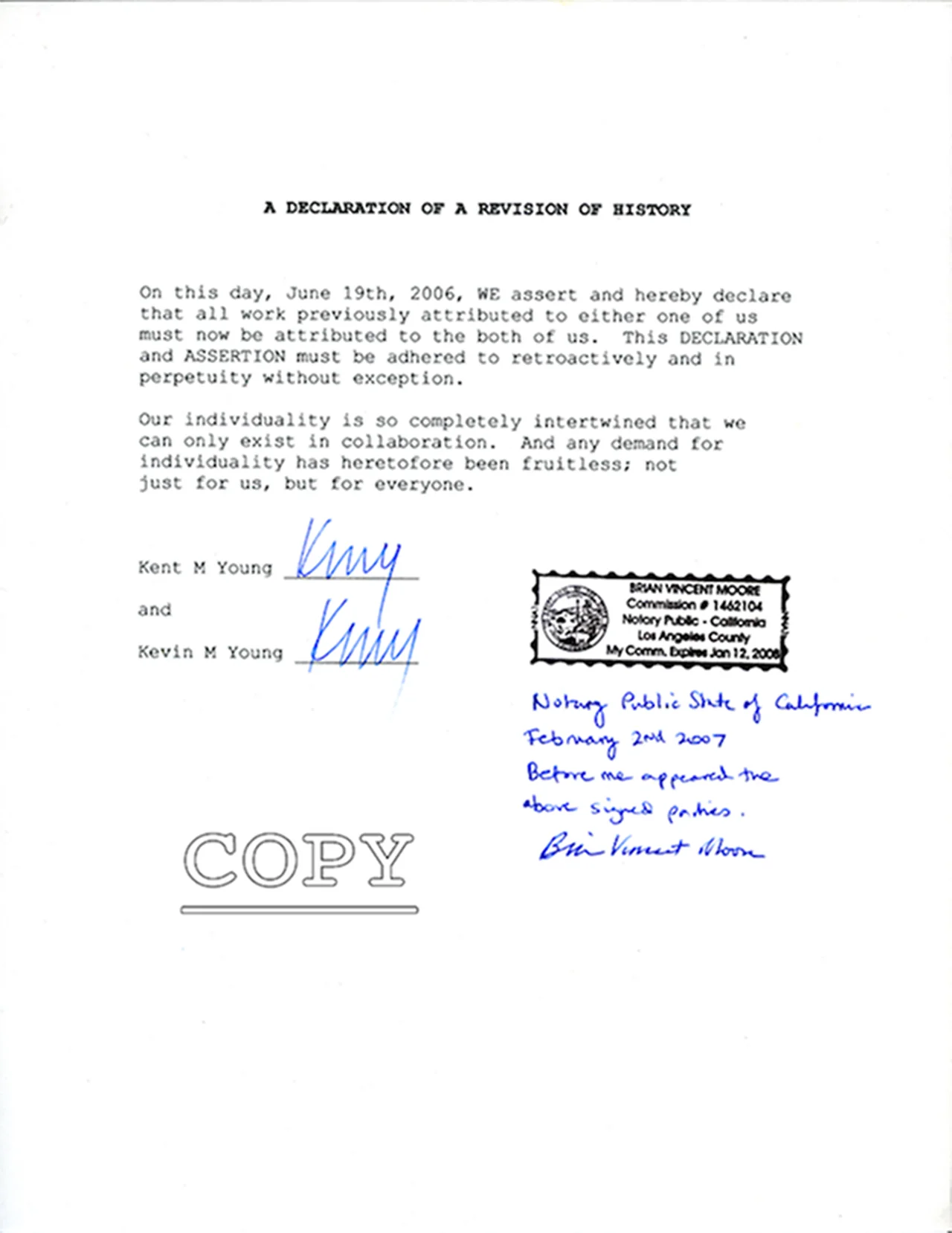
Young’s ideas about meaning and experience affect his ideas about subjectivity. Since modernism advances the notion that both meaning and experience require a subjectivity, how can a subject exist if all it experiences is illusion and distortion? The ideas of identity and subjectivity have preoccupied Young’s practice for many years. His earlier work, especially the collaborations with his twin brother, Kevin, was based on the arbitrariness of definitions around identity and subjectivity. With this backdrop, Young’s paintings are best understood this way, the ostensible random association of objects is evidence of the chaos that drives the force of adaptation, a process that is necessary to accommodate an abundance of factors, an environment of chaos that the system must adapt to. Each object, image, or thing is part of a complex system whose patterns of relationships arise out of chaos and without an overarching design or intention. So, for Young, the subject is produced from the same process that forms meaning. Unlike Kantian metaphysics, the subject is not a priori. There is no rational understanding of something that preexists its experience.
For Young there are four elements basic to art that are employed to adapt to the environment. They are the symbolic, the poetic, tragedy, and comedy. In keeping with the idea that they are adaptive mechanisms, Young calls them faculties of distortion. Also, in keeping with the idea of adaptability, Young insists that there is no real world to consider outside these mechanisms of of distortion. The perceptual structures of Tragedy and Comedy, the symbolic and the poetic, all literary devices that Young expands to the mechanisms of meaning acquisition, are subjective. He specifically identifies poetics with metaphor and the symbolic with Metonymy, which are tropes of meaning acquisition. In this way he argues that there is no objective knowledge, only subjective. The Empiricist, David Hume, has argued similarly. He also rejected the objective world and has argued against Kantian rationalism fundamentally because he rejected causality. This allows us to understand that these four elements are not understood as narrative devices that form meaning but as categories that form discrete entities that aggregate without intent. Young’s focus on symbolic, poetics, comedy, and tragedy, is an attempt create an art experience from the standpoint of its own history and develop from these categories a new language for their consideration. They are introduced through the images, objects and things that constitute his oeuvre. In Pineapple, the image of the pineapple introduces comedy. We see a pineapple with facial features. The pirate flag in Flags may introduce tragedy. It’s important to note that these references are mutational, they are highly contextual and not fixed, as the flags can also call up the symbolic. Expression, for Young, is given over to the arbitrary through these tropes without advancing the notion of anarchy and losing the viable relationship that art has with culture. In contrast to modernism’s notion that art must transcend culture, Kent shows art’s ability to critique culture even as art itself is a cultural practice.
thanx
2024-25
giclee, acrylic, collage on canvas
50 × 75
Seeking Human Kindness
2024-25
giclee, acrylic, acrylic marker, gesso, sharpie, collage on canvas
75 × 50
Pear
2024
giclee, acrylic, oil, collage on canvas
50 × 75
#LETSGOSPARKS
2024
giclee, acrylic, collage on canvas
50 x 75
Abraham
2022-23
giclee, acrylic, collage on canvas
75 x 50
Detective Navarro and Michael McCurry
2023
giclee, acrylic, collage on canvas
75 x 50
Black, Blue, Gold, Green, Red, White (1994)
2023
giclee, acrylic, collage on canvas
50 x 75
Cotton Gin
2022
giclee, acrylic, collage on canvas
50 x 75
Shadow Puppets
2021
giclee, oil, acrylic, collage on canvas
50 x 75
Police Station Photos
2022
giclee, acrylic, collage on canvas
75 x 50
Flag
2021
giclee, acrylic, acrylic marker, collage on canvas
50-1/2 x 75-1/2
Clouds
2021
giclee, acrylic, collage on canvas
50 x 75
Rorschach #1
2017
giclee, acrylic, gesso, collage on canvas
50 x 74
Upside-down Knight
2020
giclee, acrylic, collage on canvas
75 x 50
rorschach ix
2020-21
giclee, acrylic, collage on canvas
50 x 75
Painkiller
2019
giclee, acrylic, collage on canvas
50 x 75
Chess Pieces (verde, blanco, rojo)
2020
giclee, acrylic, collage on canvas
75 x 50
Untitled (orange, red, blue)
2019 - 20
giclee, acrylic, collage on canvas
50 x 75
Give up. Take.
2019
giclee, acrylic, enamel on canvas
50 x 75
Gutenberg
2019
giclee, acrylic, collage on canvas
75 x 50
Pineapple
2019
giclee, acrylic, collage on canvas
75 x 50
Knot
2019
giclee, enamel, acrylic, collage on canvas
50 x 75
Pink Painting
2018/19
giclee, acrylic, mixed media on canvas
50 x 74-1/2
collection of Hilja Keading and Julie Shafer
Flags
2017
giclee, acrylic, flock, collage on canvas
50 x 75
Rorschach #1
2017
giclee, acrylic, gesso, collage on canvas
50 x 74
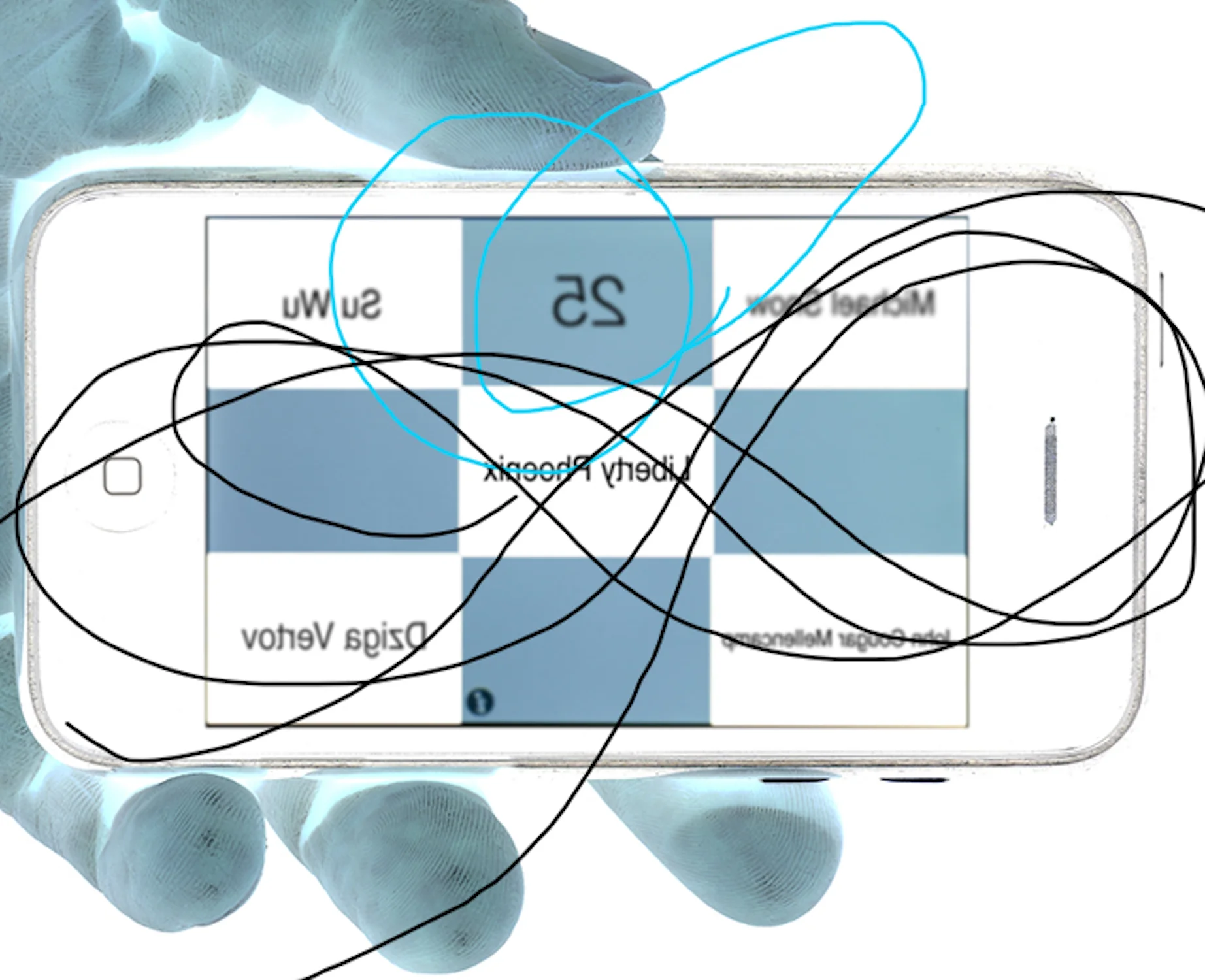
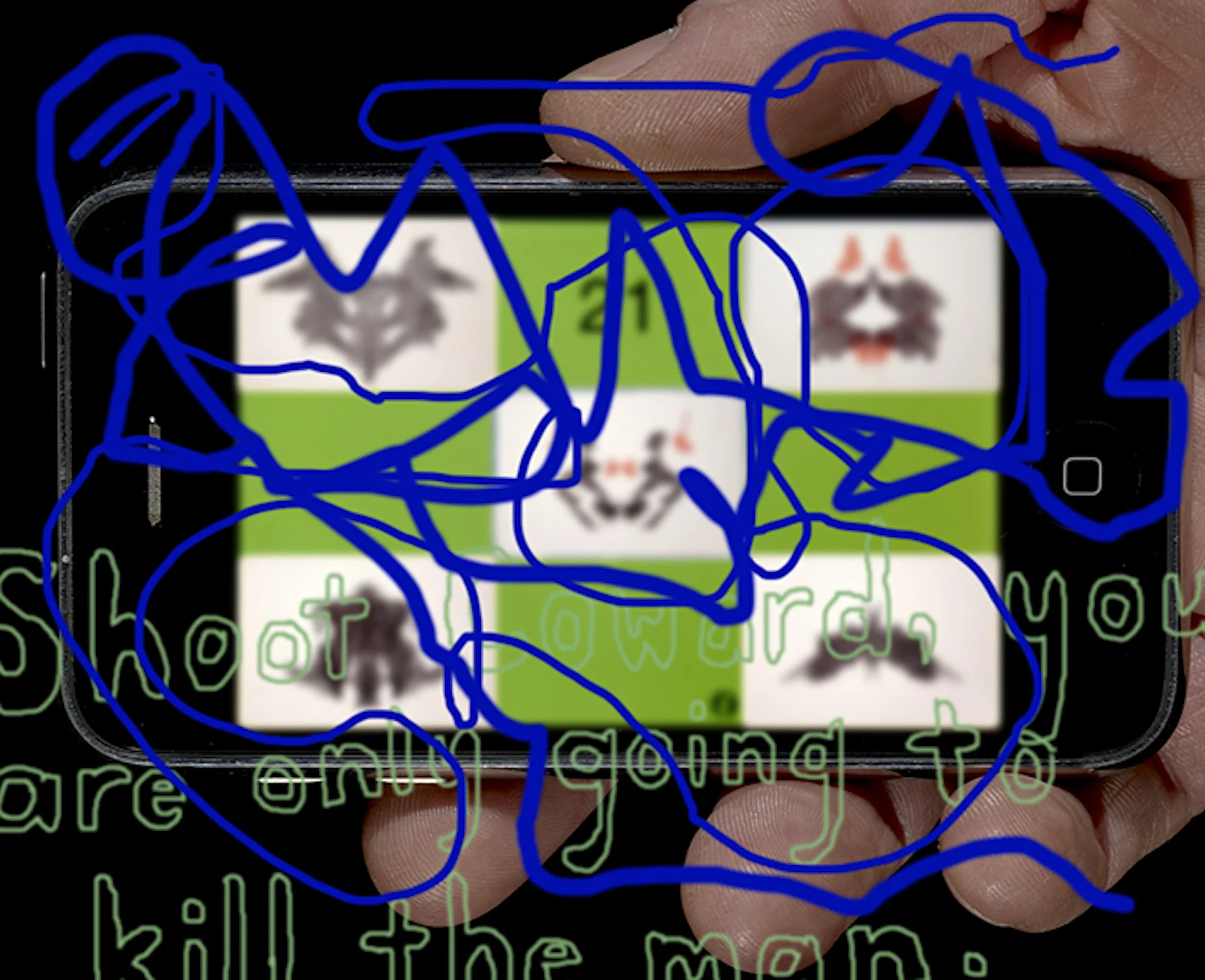
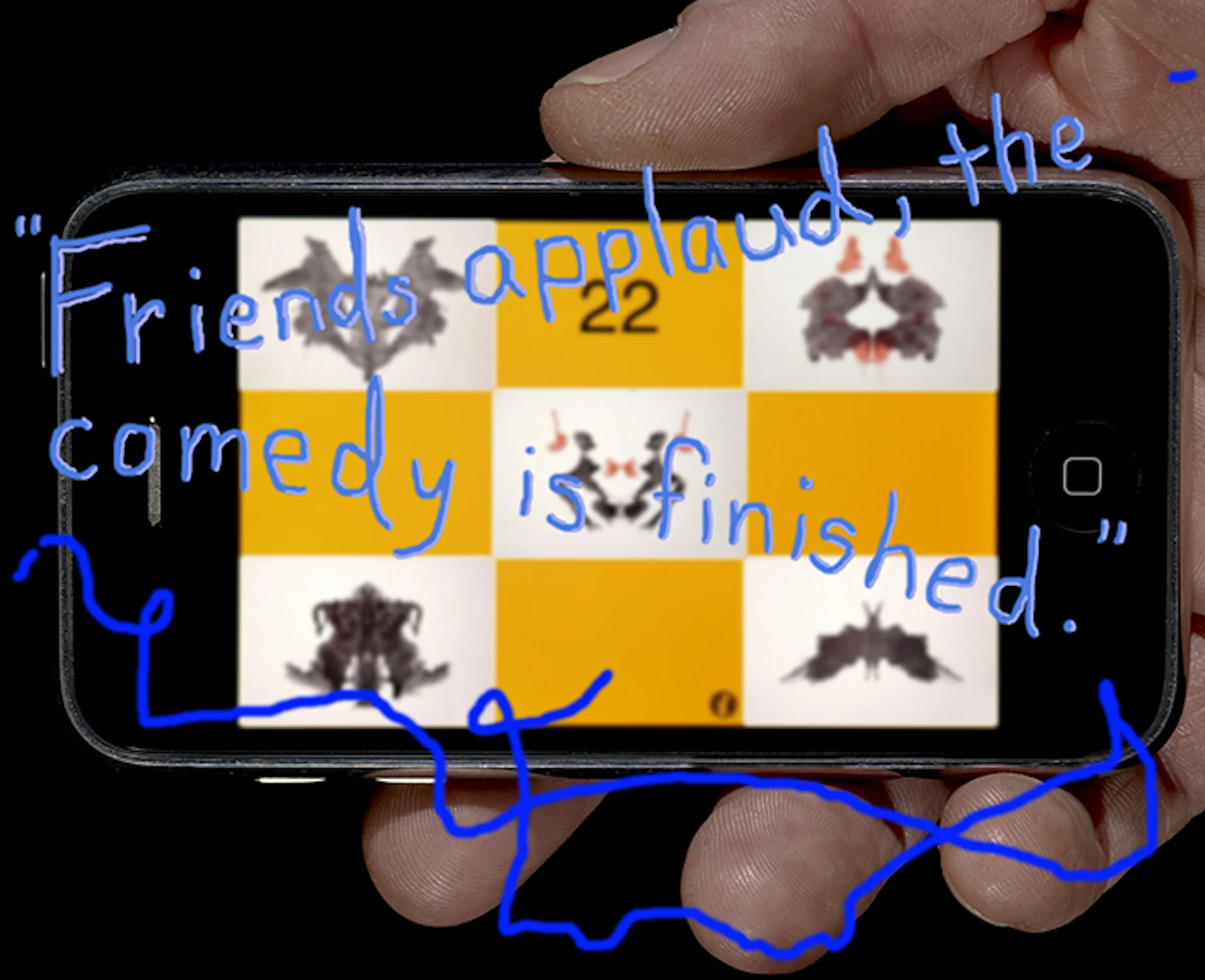
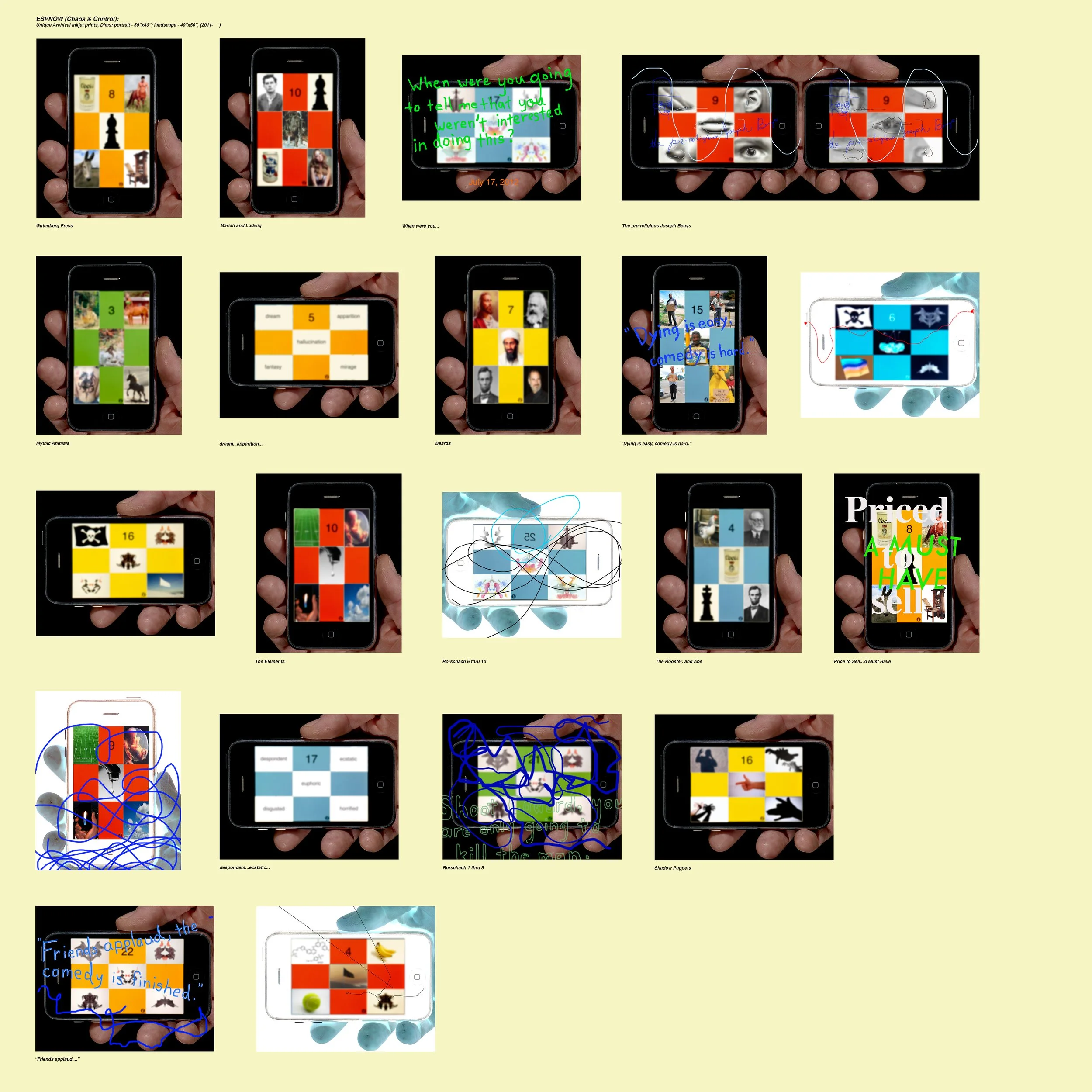
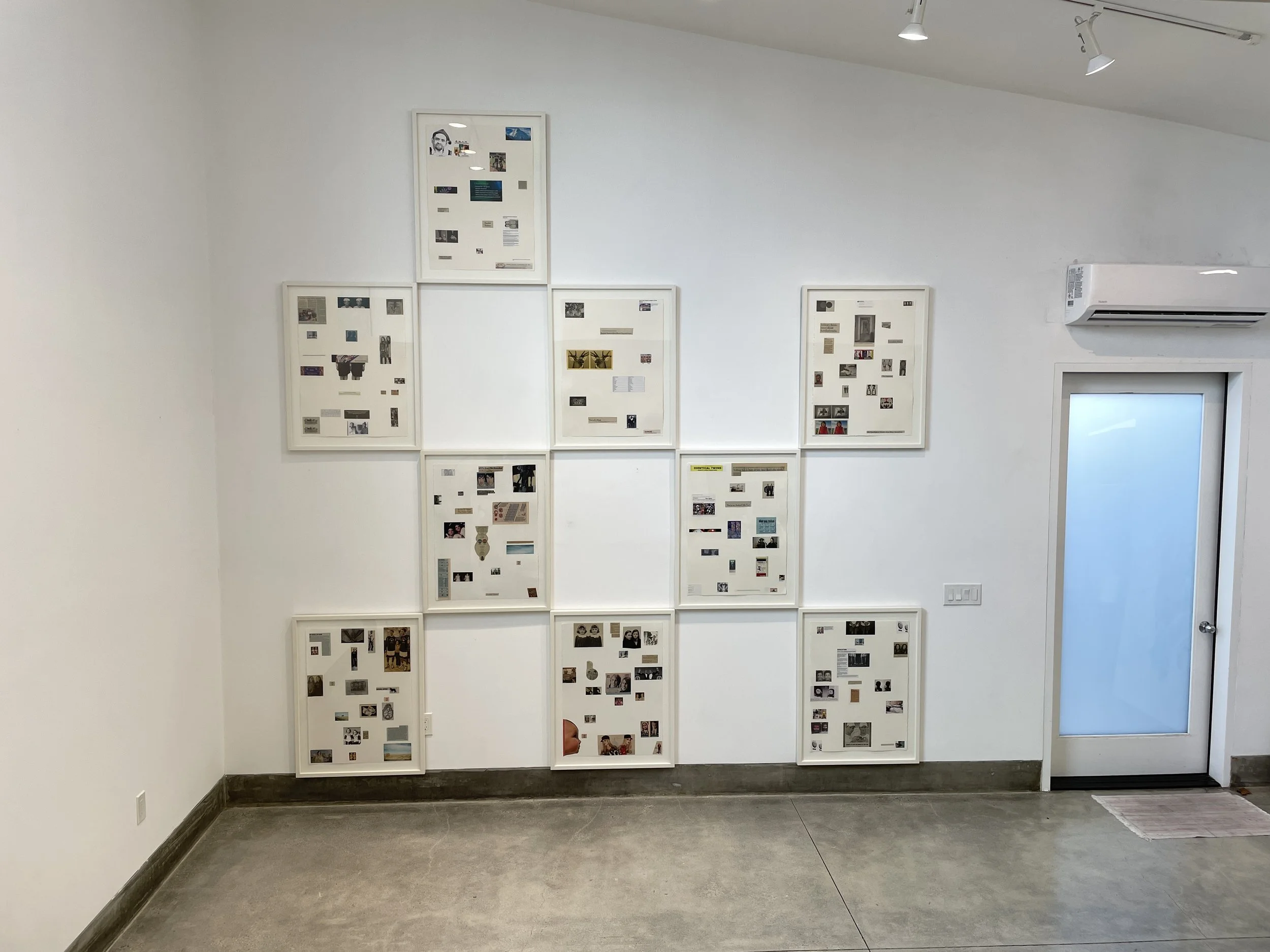
ESPNOW is an ongoing series of unique archival pigment prints. The dimensions of the horizontal oriented pieces are 38” x 48”; the vertical oriented pieces are 48” x 38”.
Nicolas Chamfort (suicide note)
Charlie Chaplin (last words)
Che Guevara (last words)
Ludwig van Beethoven (last words)
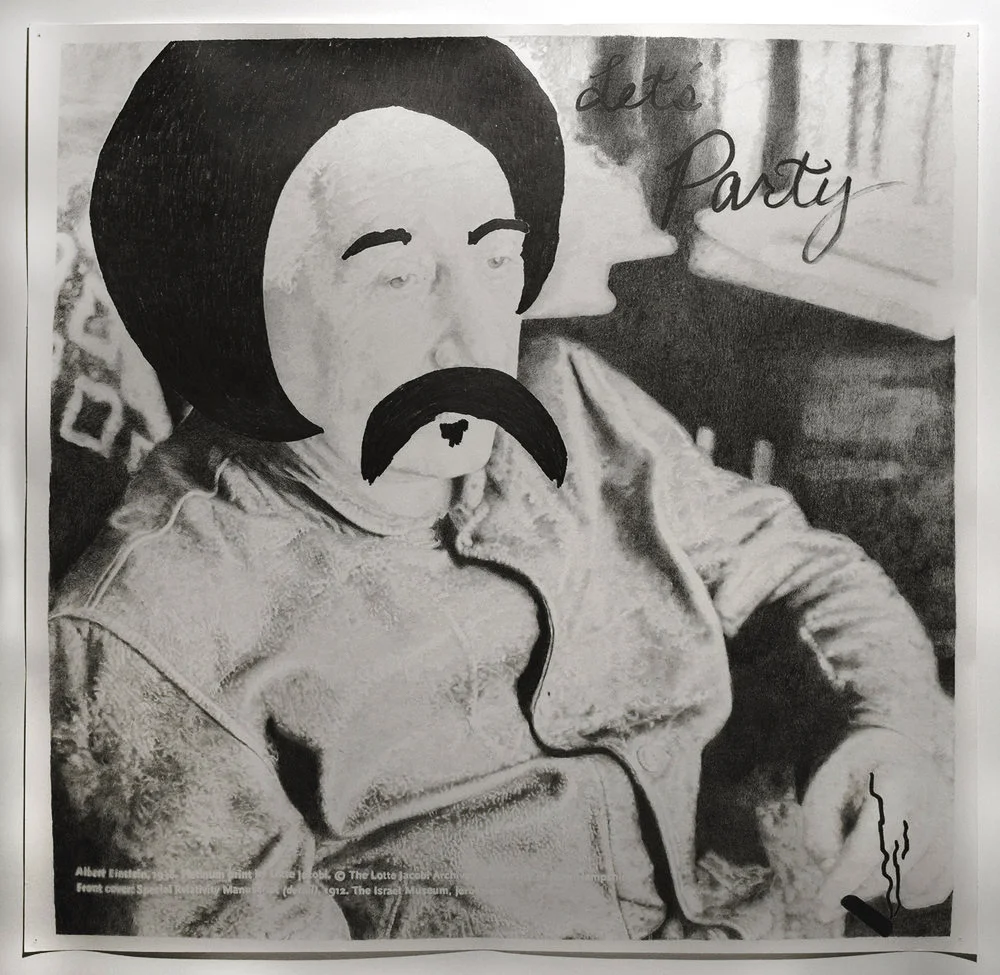
Let’s Party (council_st)
2026
Decomplexion
2009
Silver Shed, New York NY.
Blast Off
1998
various materials, acrylic paint
Fred Hoffman, Santa Monica CA
Rove
1995
various materials
ACME, Santa Monica CA
Hunk
1994
various materials
Jose Freire Fine Art, New York NY
Hot Coffee
1997
various materials
Artists Space, New York NY
The Palace of Good Luck
1996
various materials
Burnett Miller, Santa Monica CA
Bastards of Modernity
1997
various materials
Angles Gallery, Santa Monica CA
Confessions of Love
1994
various materials
FoodHouse, Santa Monica CA
#1
#2
#3
#4
#5
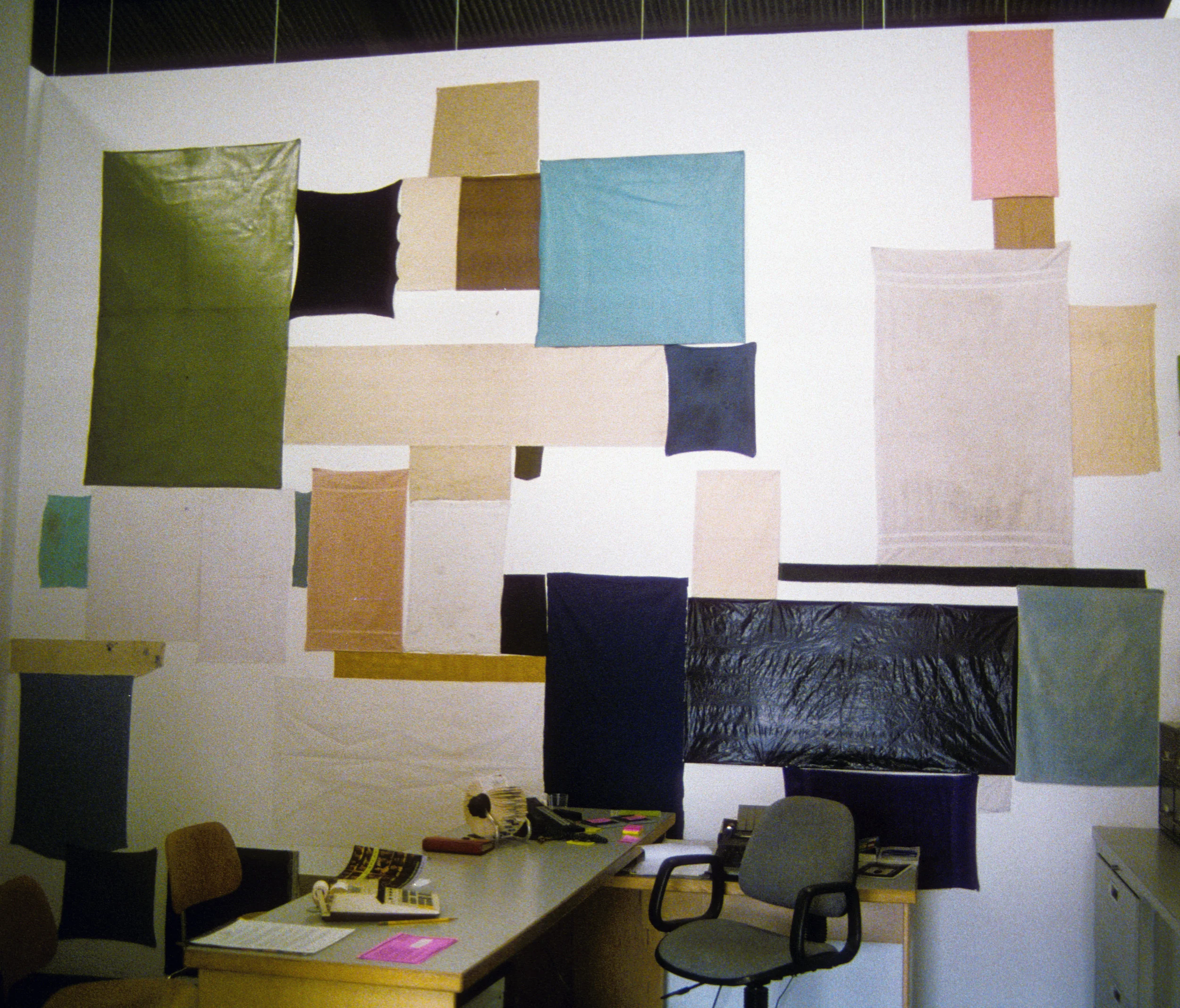
Office
1995
various materials
Rosamund Felsen, Santa Monica CA
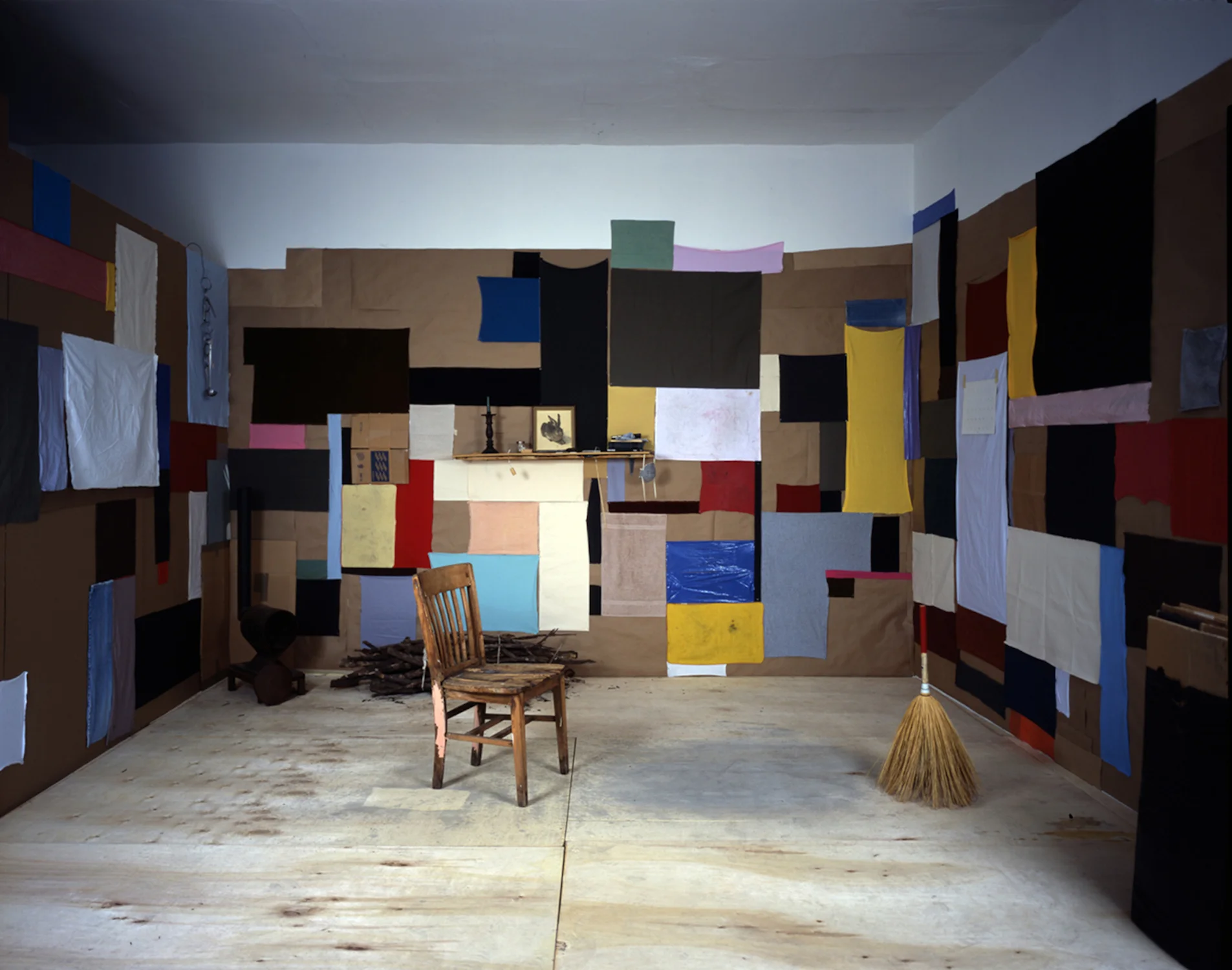
Kazinsky's Cabin
2004
various materials
in collaboration with andrew hahn
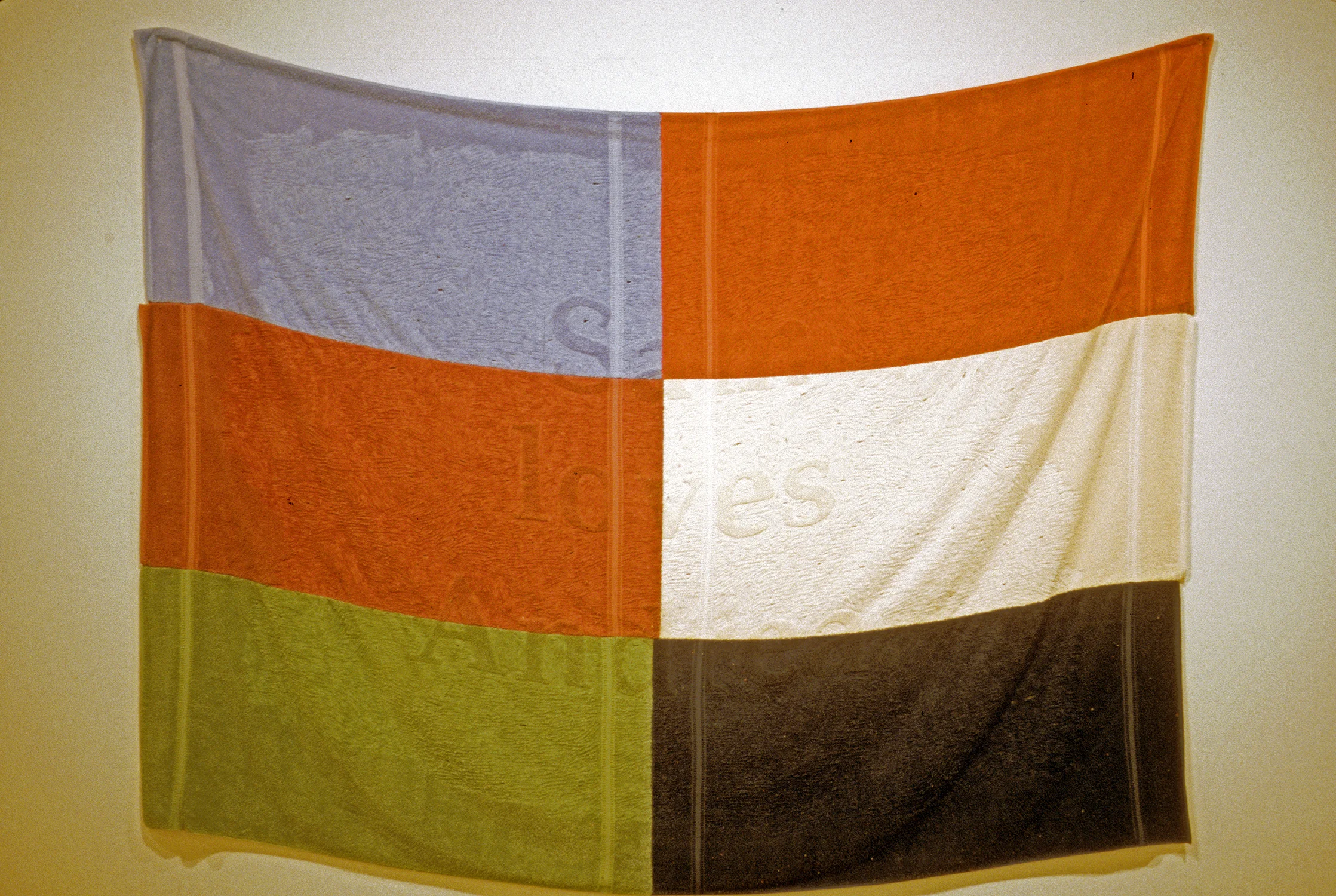
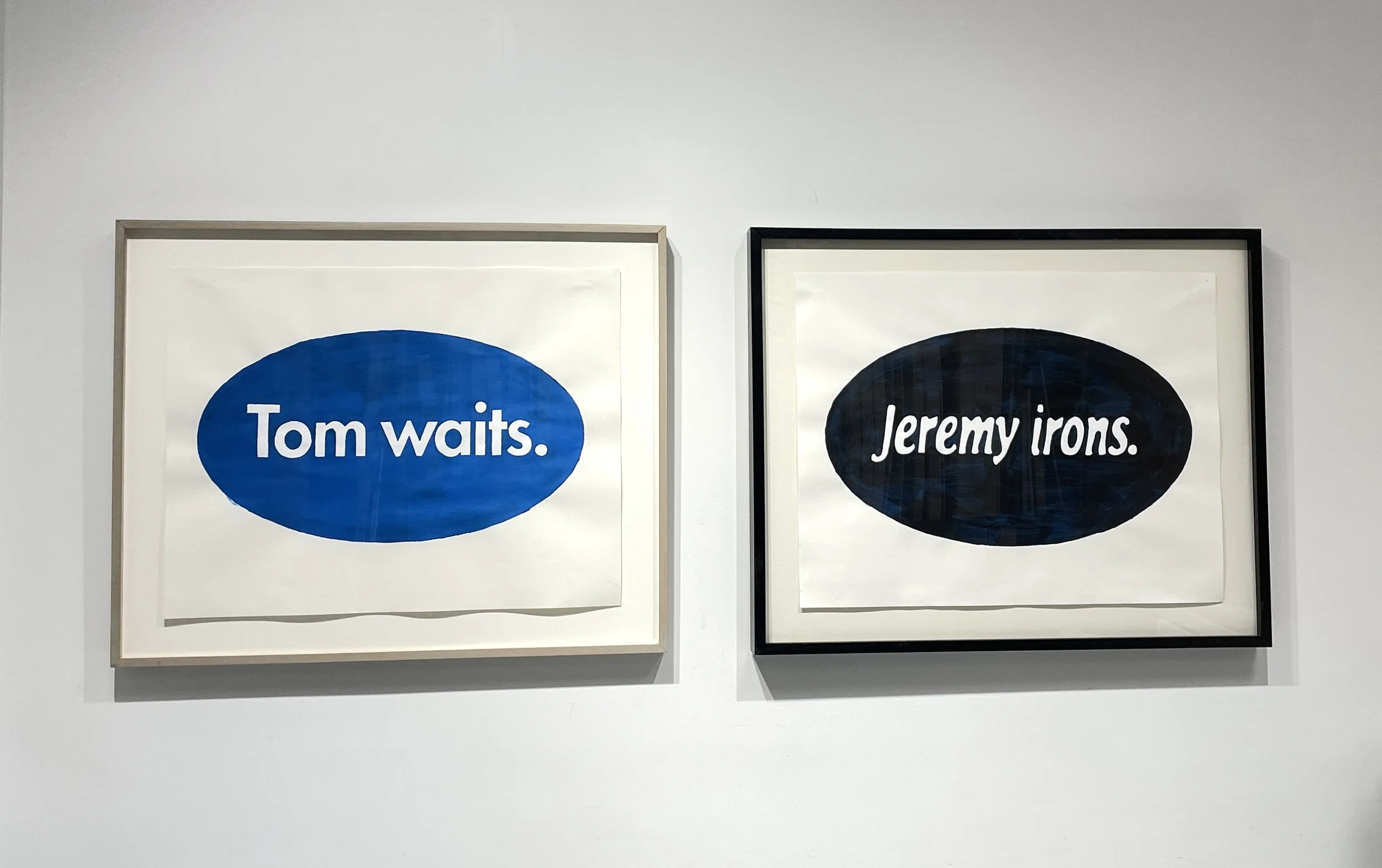
Sam loves Andrea.
1993
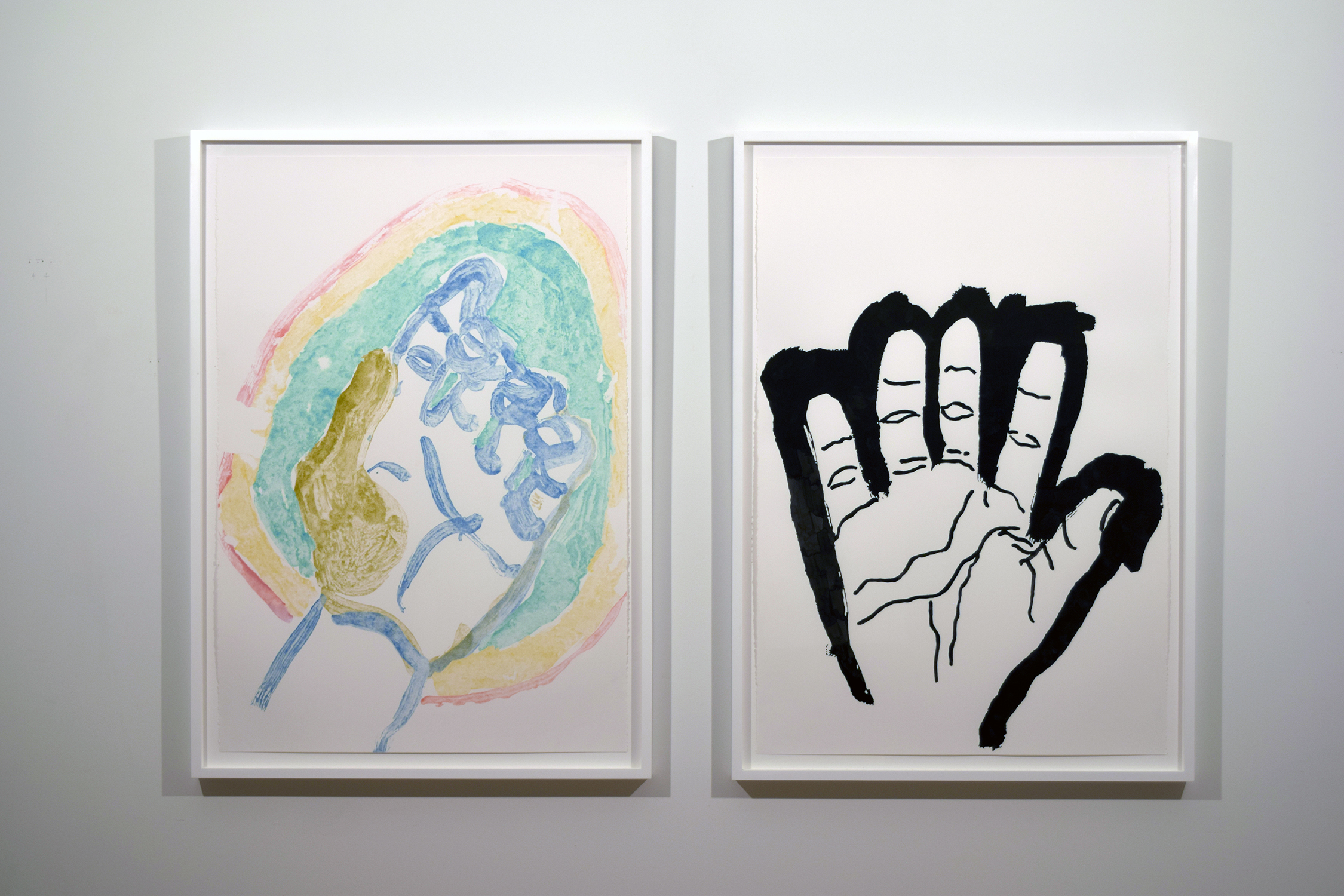
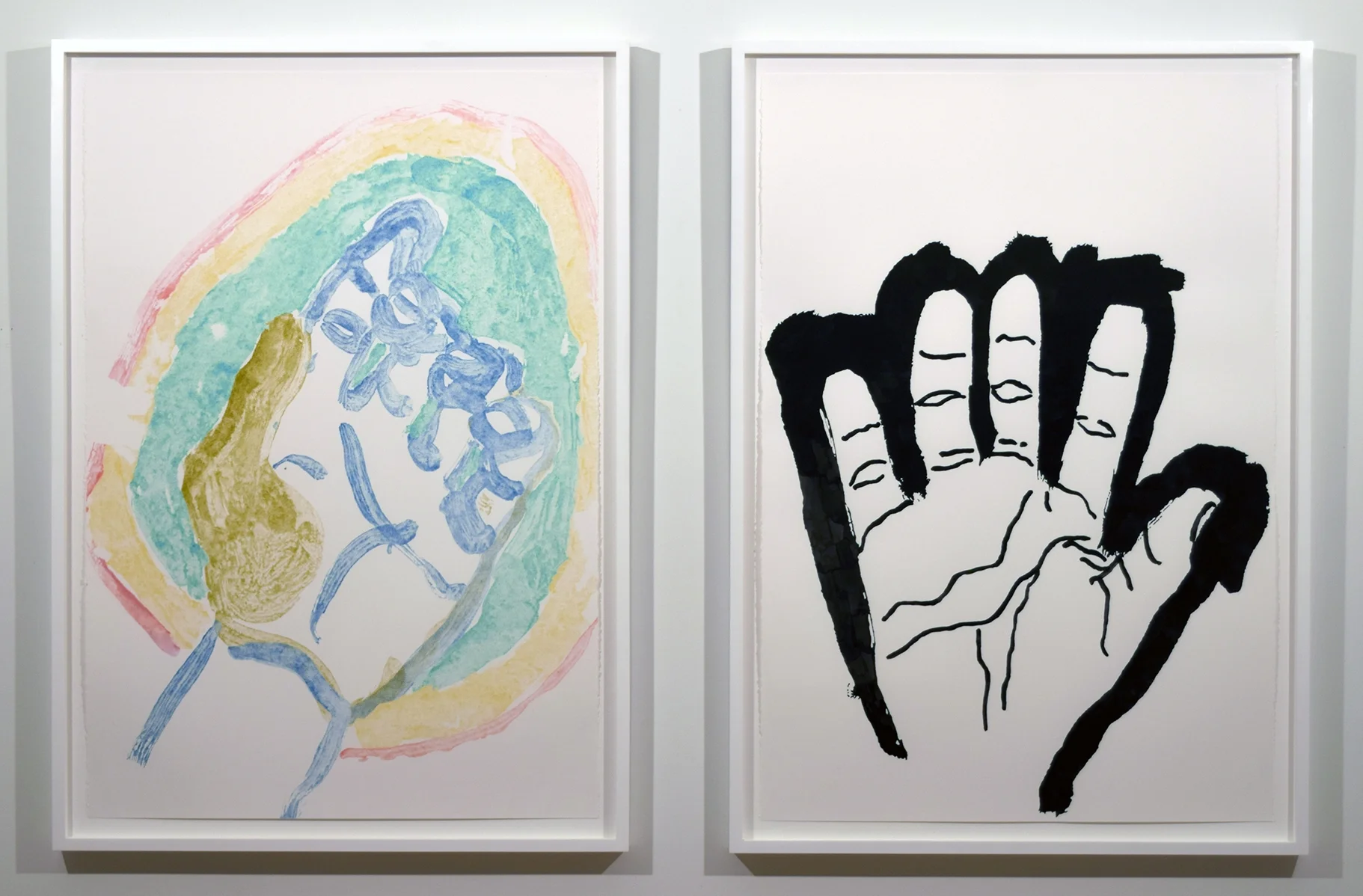
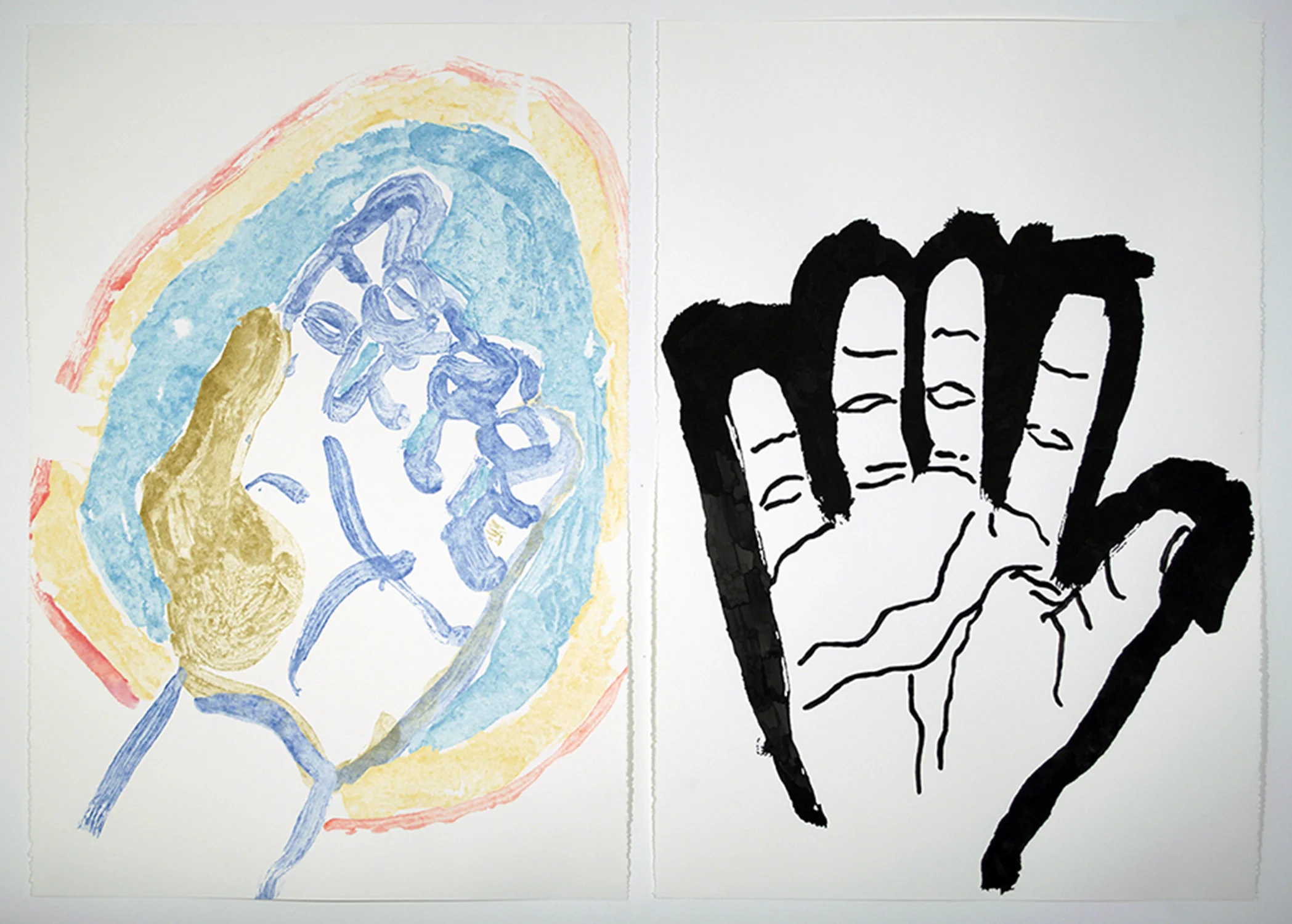
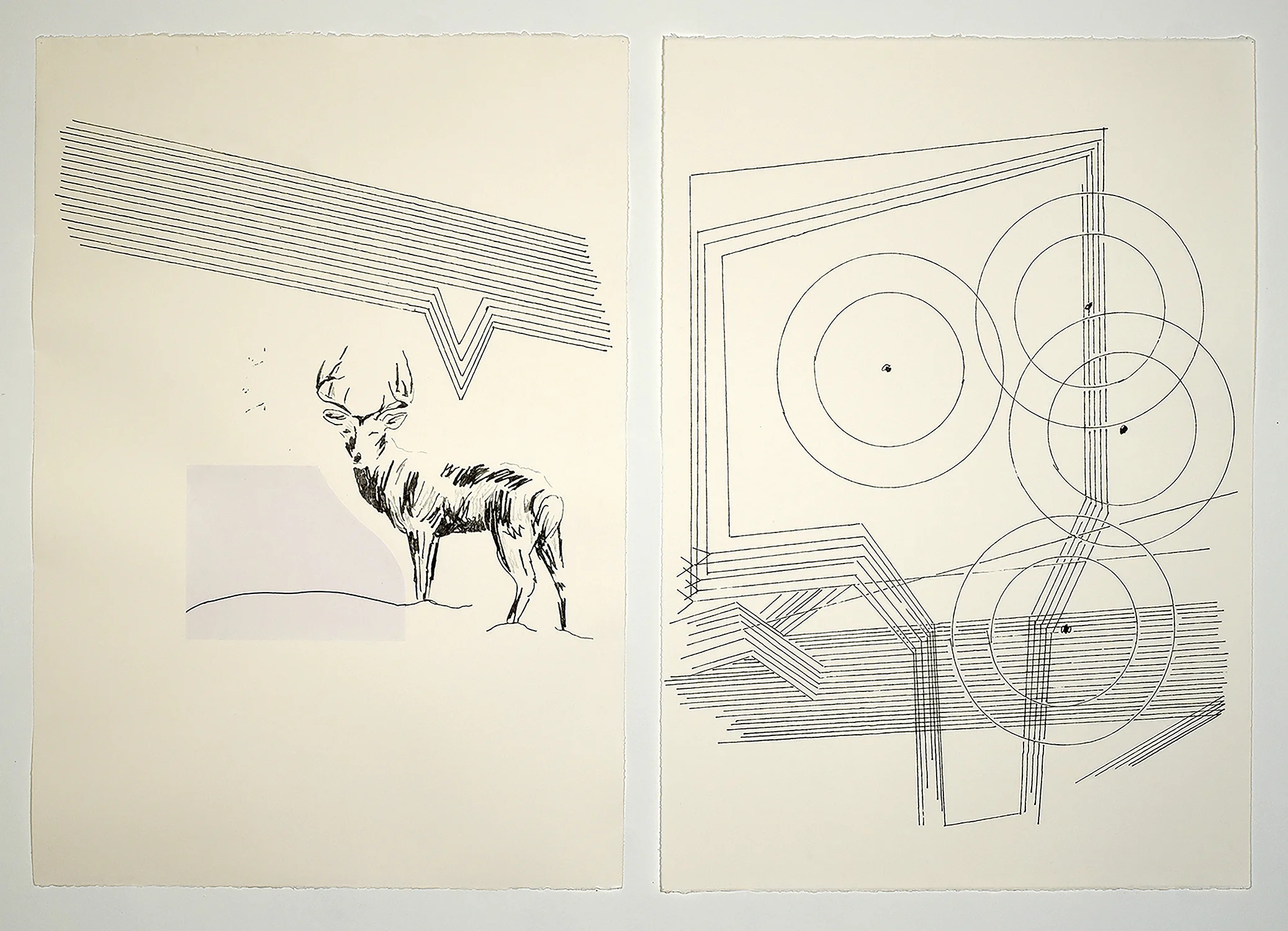
Left Hand Right Hand
2014 - 2015
colored pencil, india ink on paper
overall dims: 48-1/2 x 74 (ea. 48-1/2 x 34)
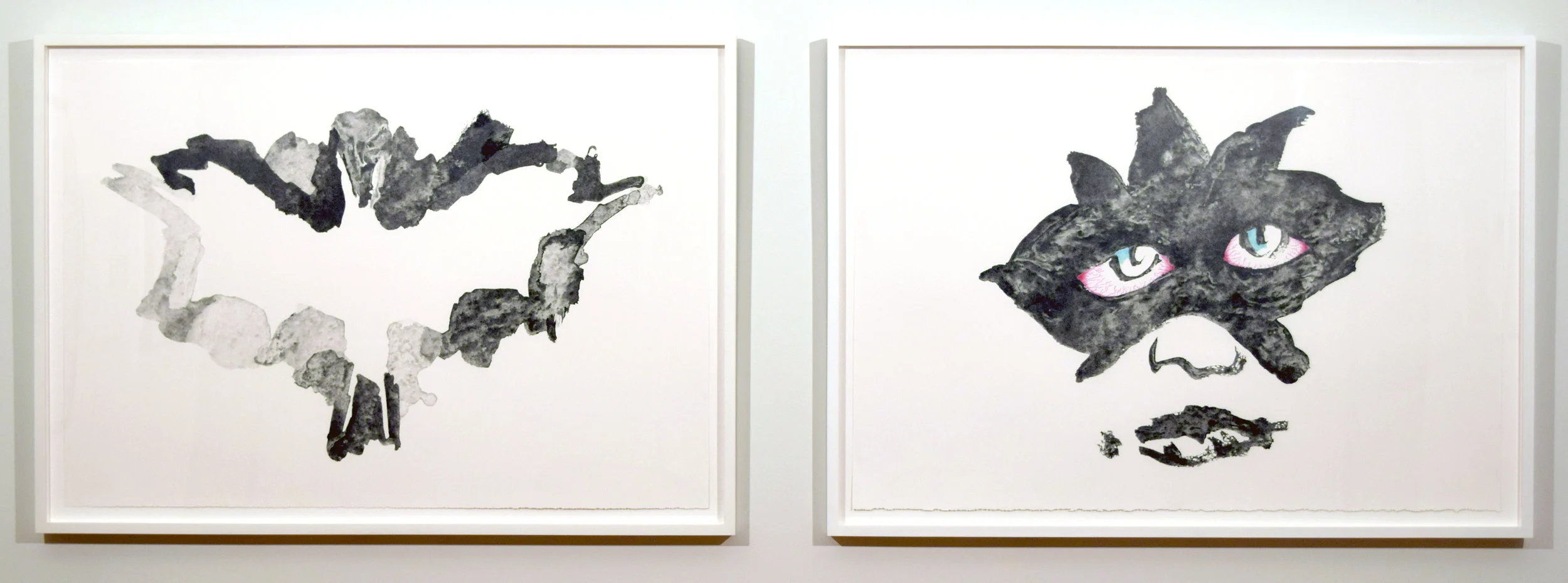
Reverse Flipped Rorschach and Mask
2015 - 2016
overall dims: 34 x 103 (ea. 34 x 48-1/2)
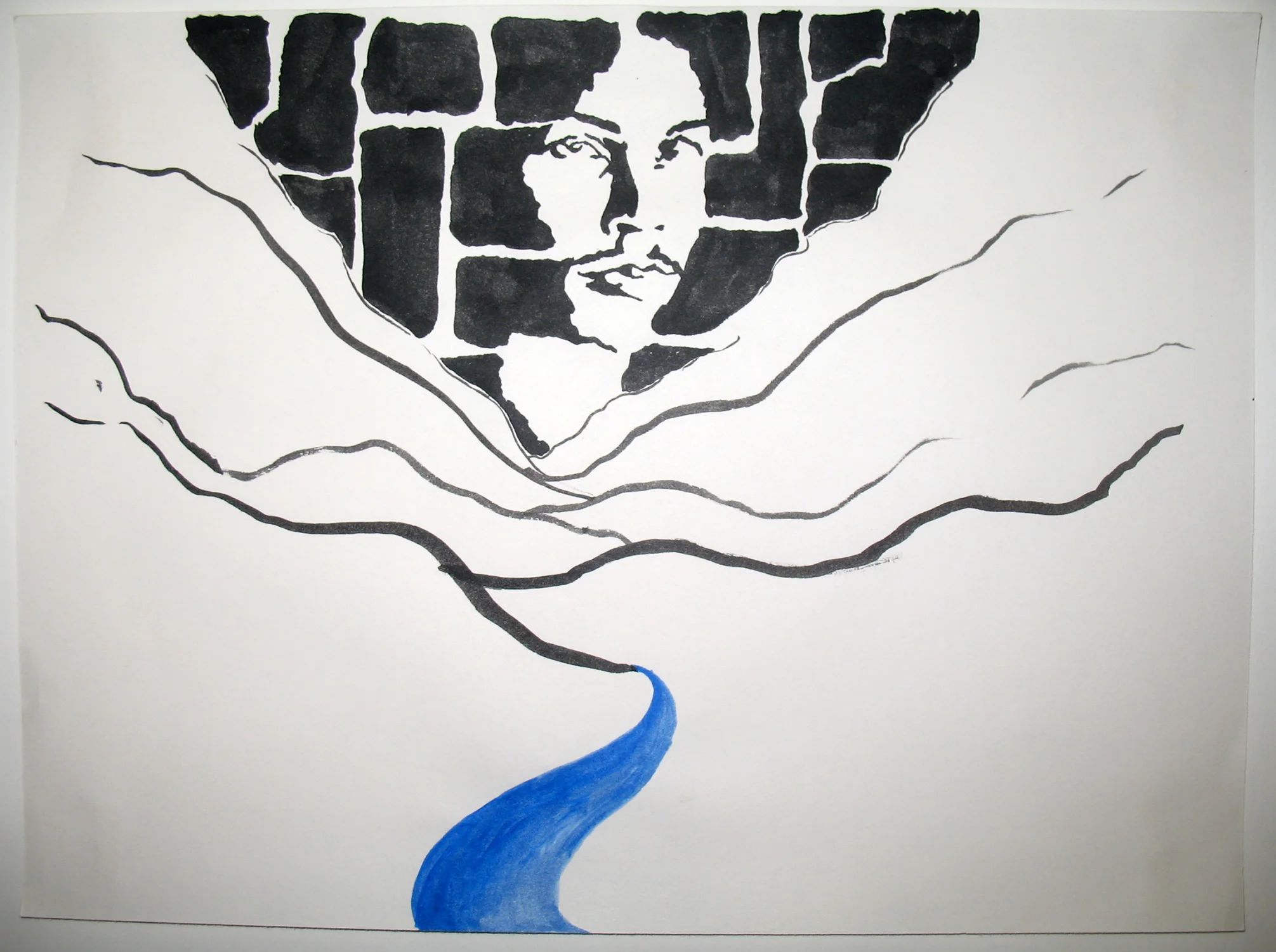
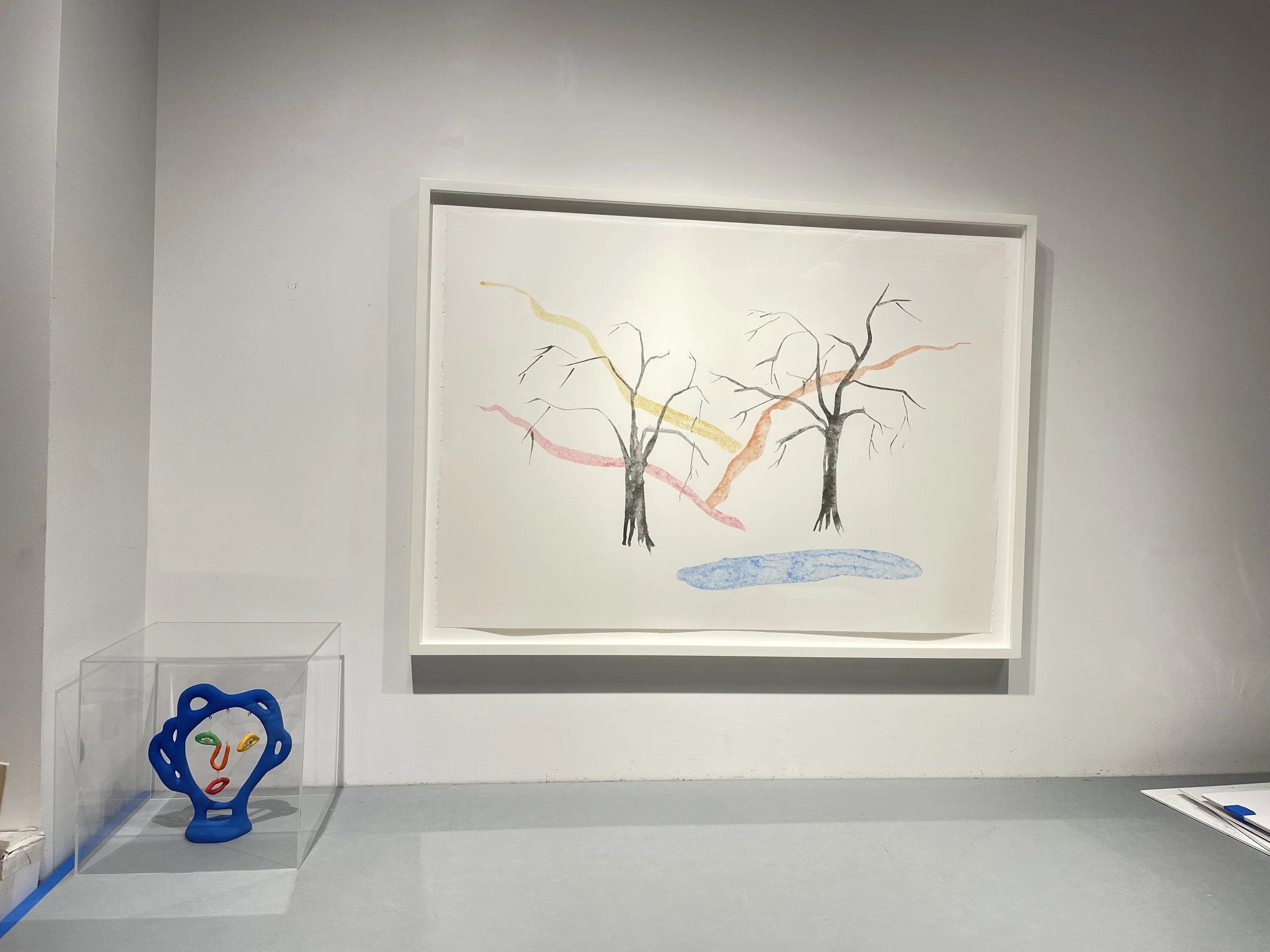
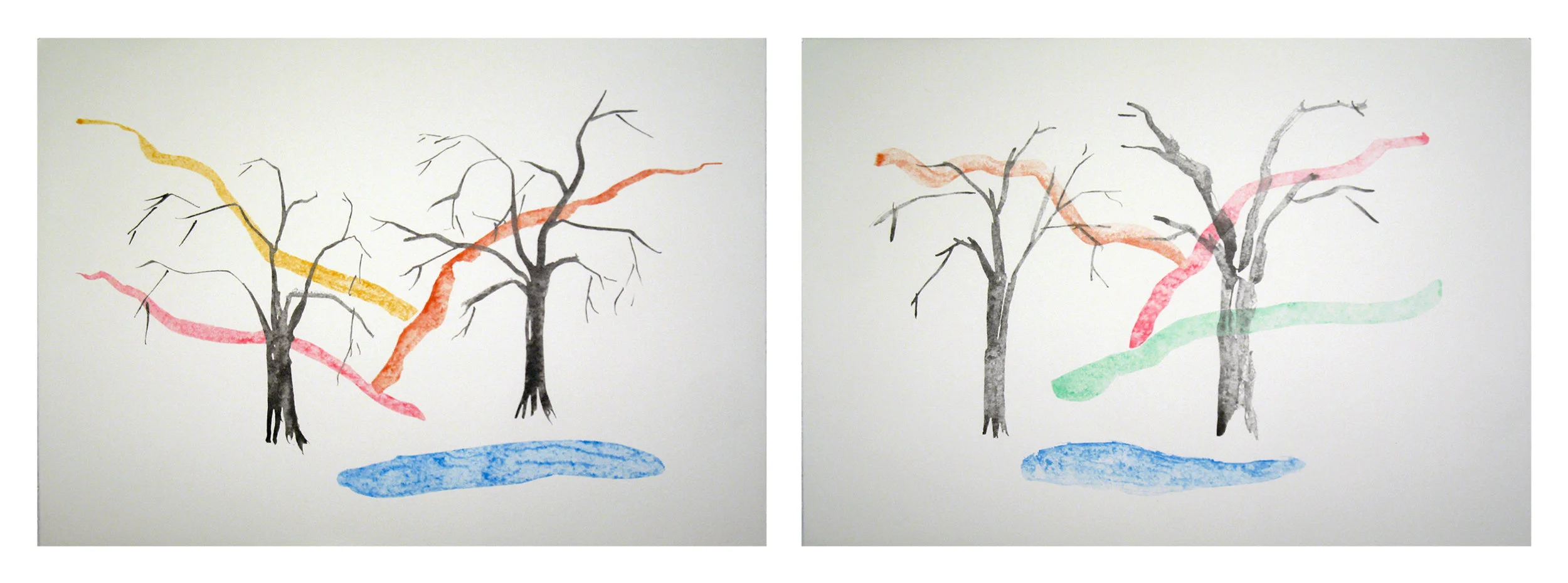
The Parable of Two Trees
2013
Graphite, colored pencil on paper
A Short Series: Short Stories
2003
acrylic on paper
ea: 19-1/2 × 25-1/2 (framed, 25 × 31)
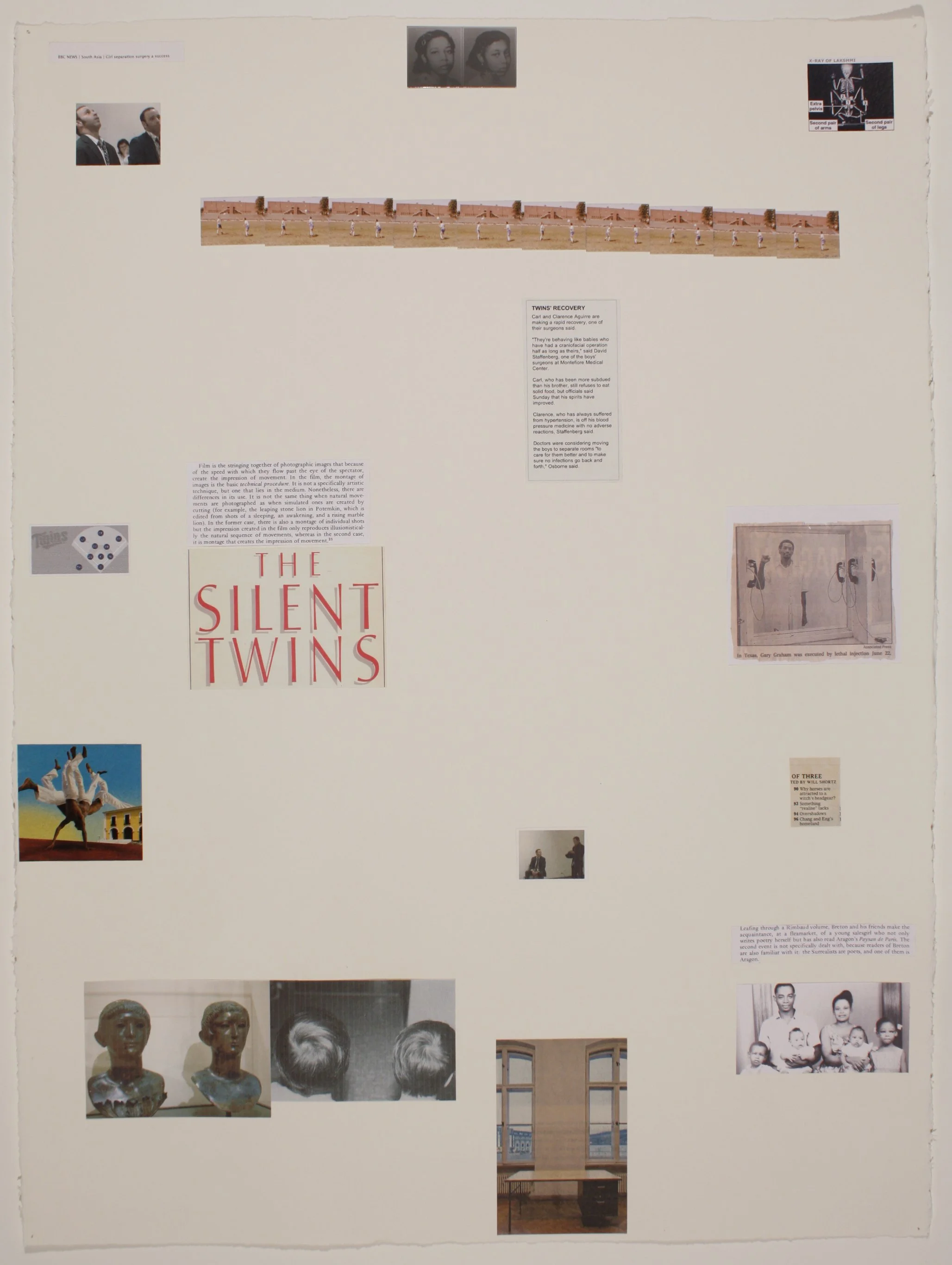
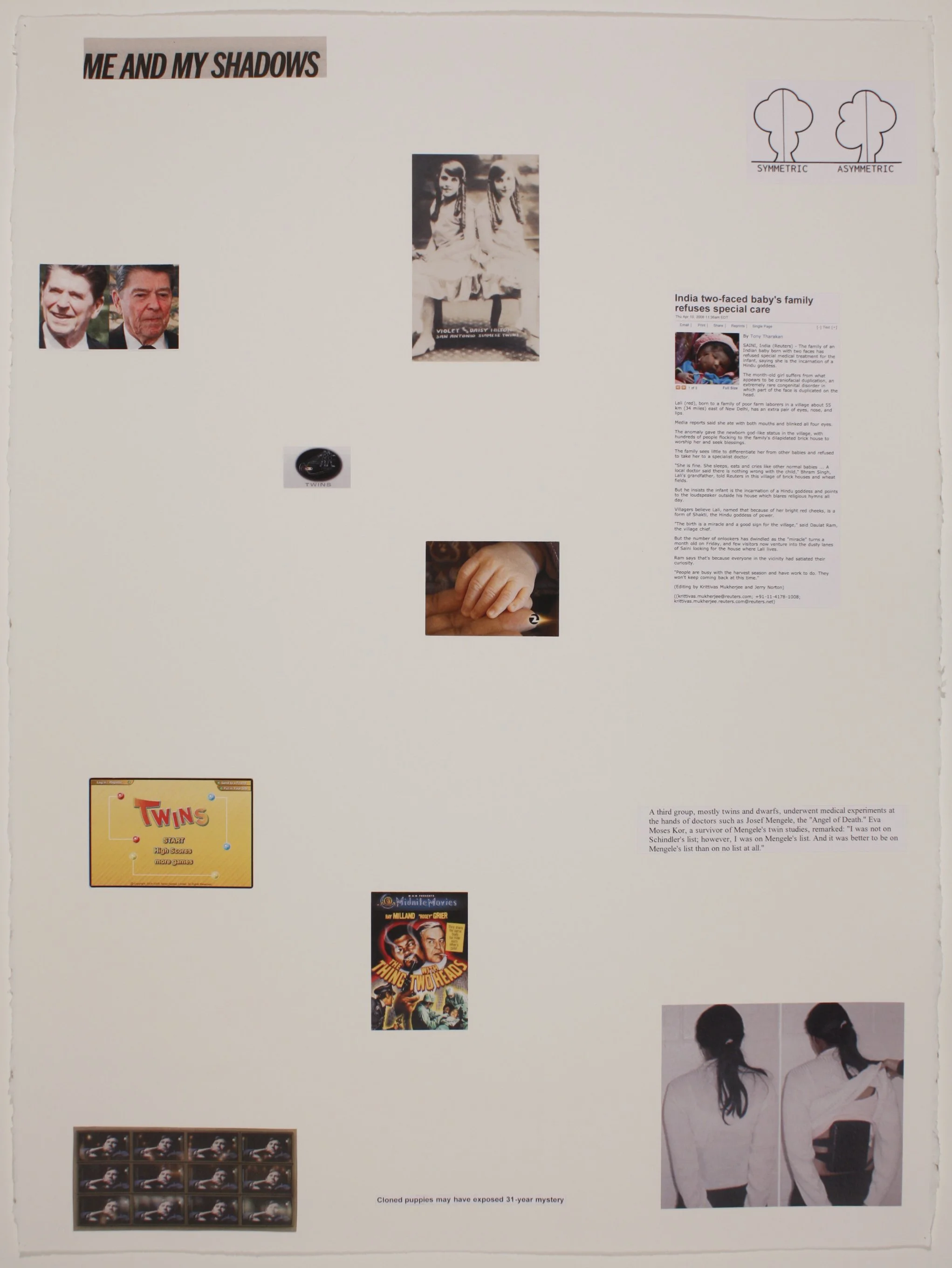
X-Ray of Lakshmi
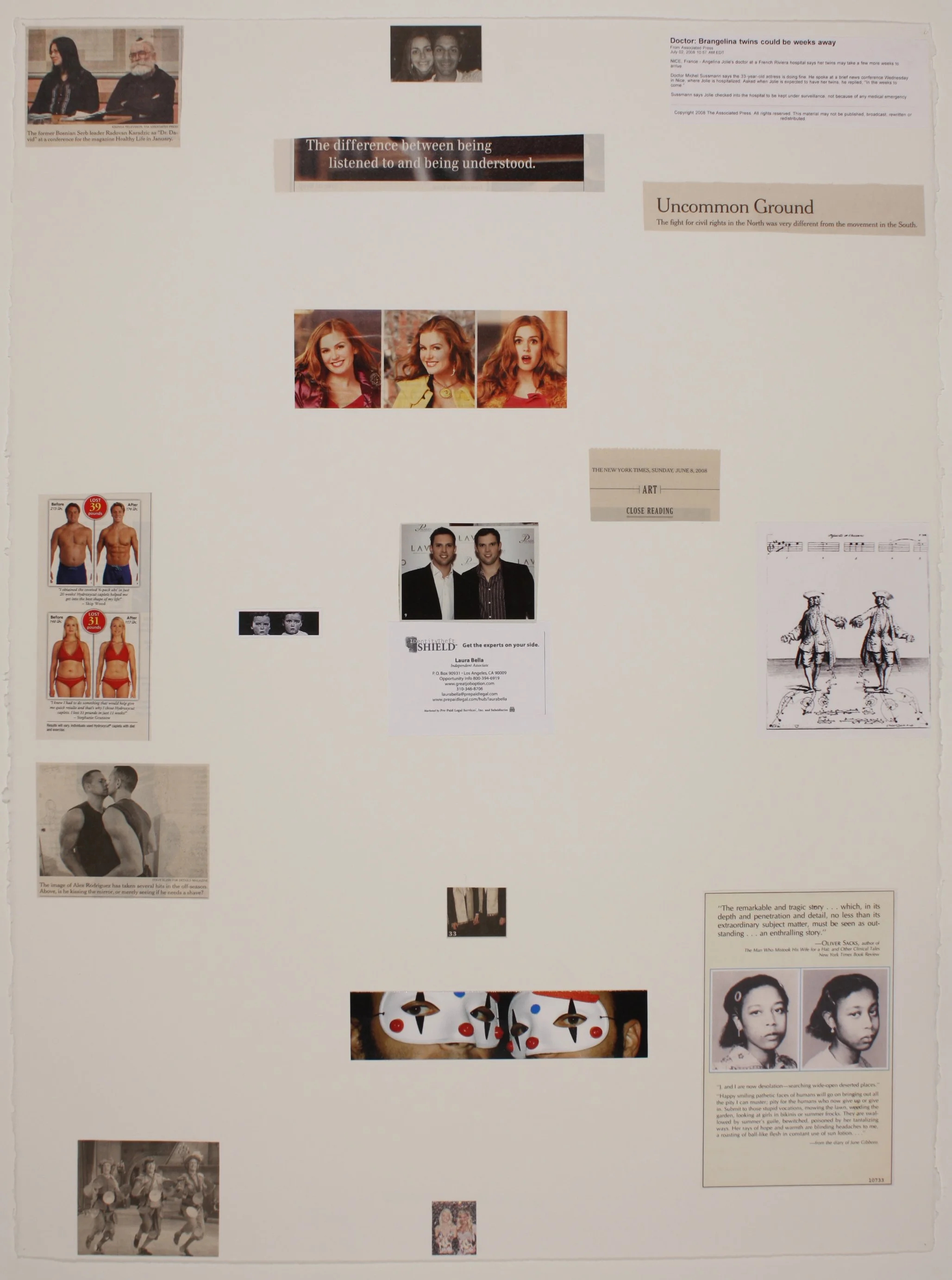
Uncommon Ground
Two-Headed Calf
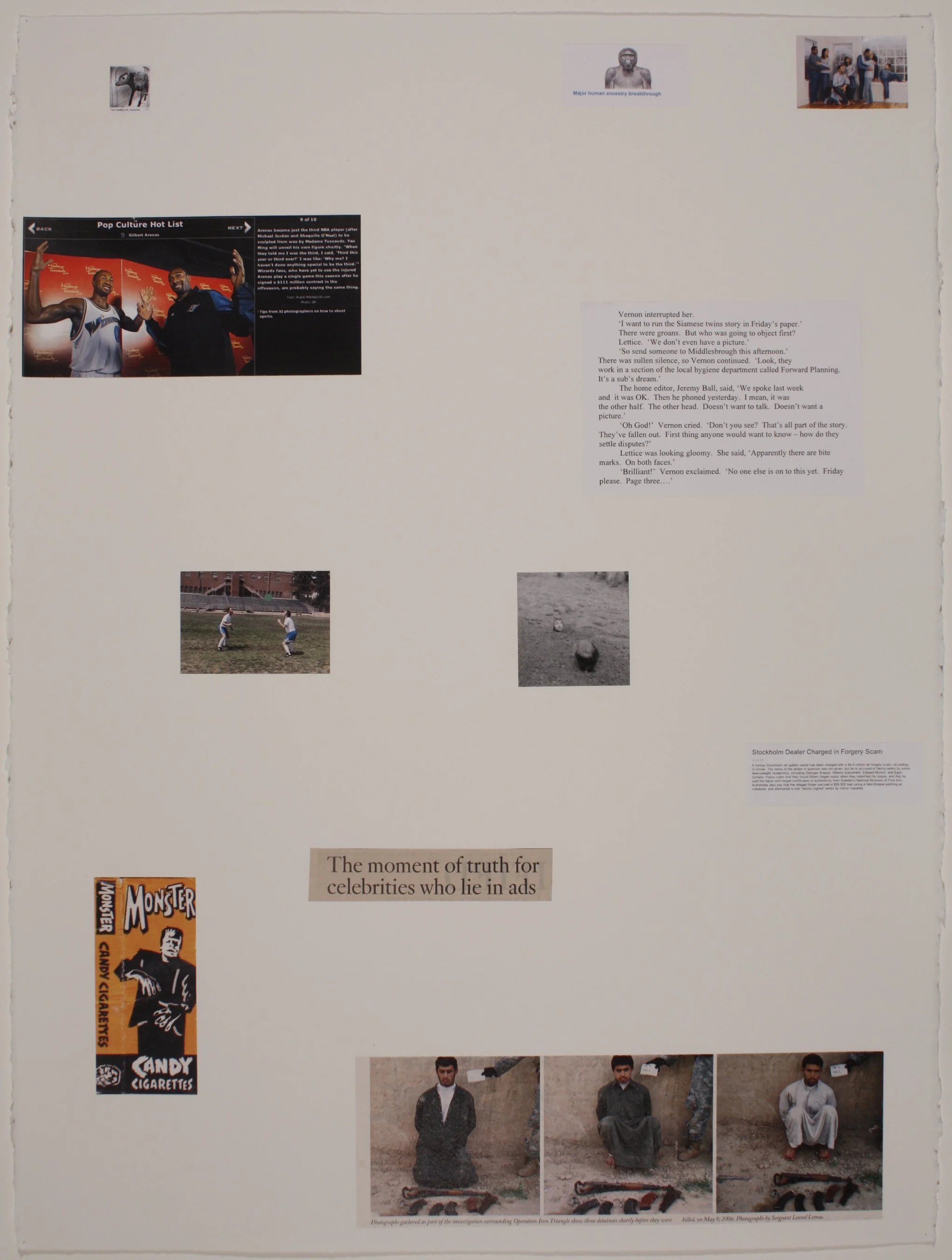
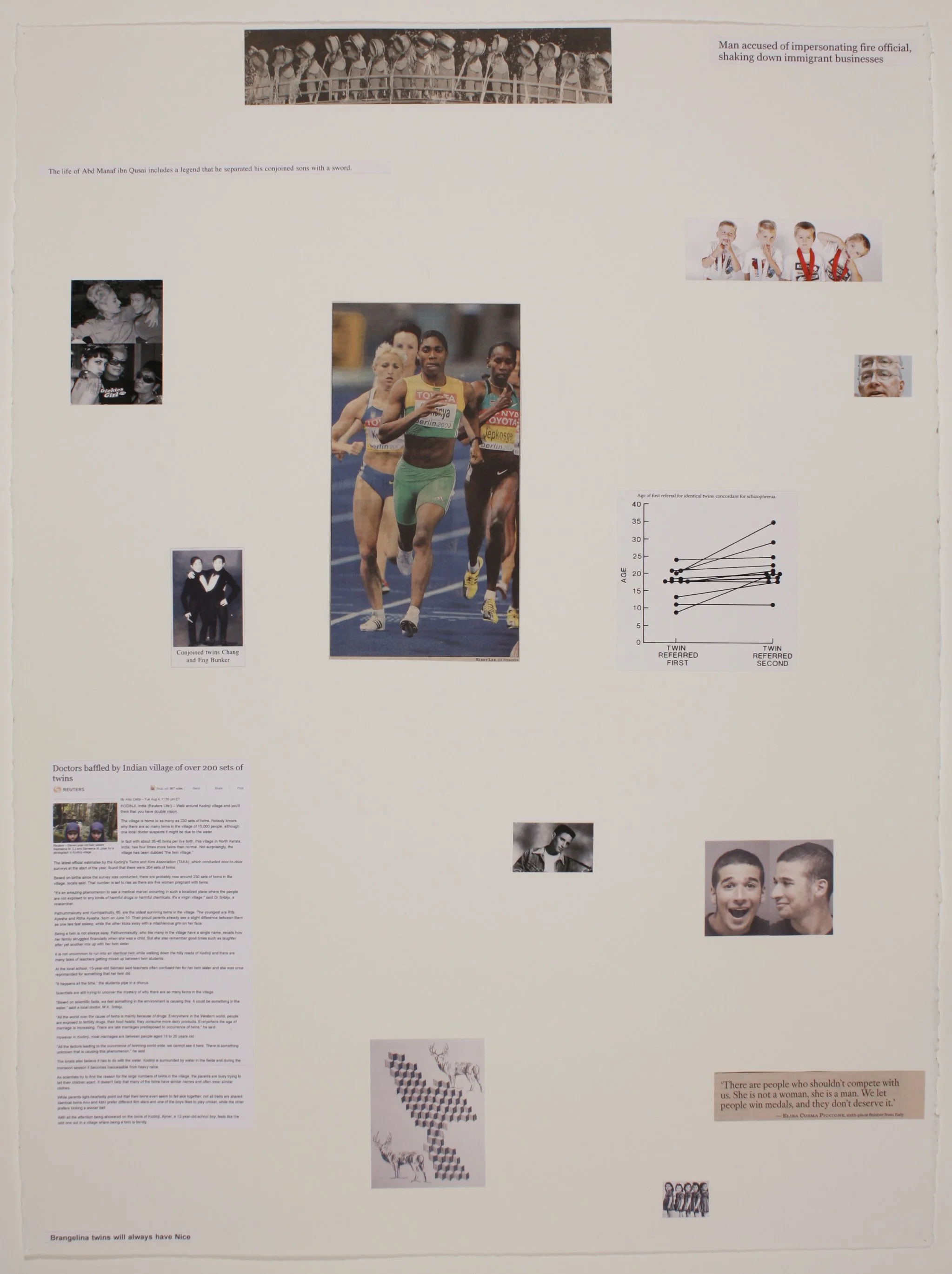
Twin Referred First; Twin Referred Second
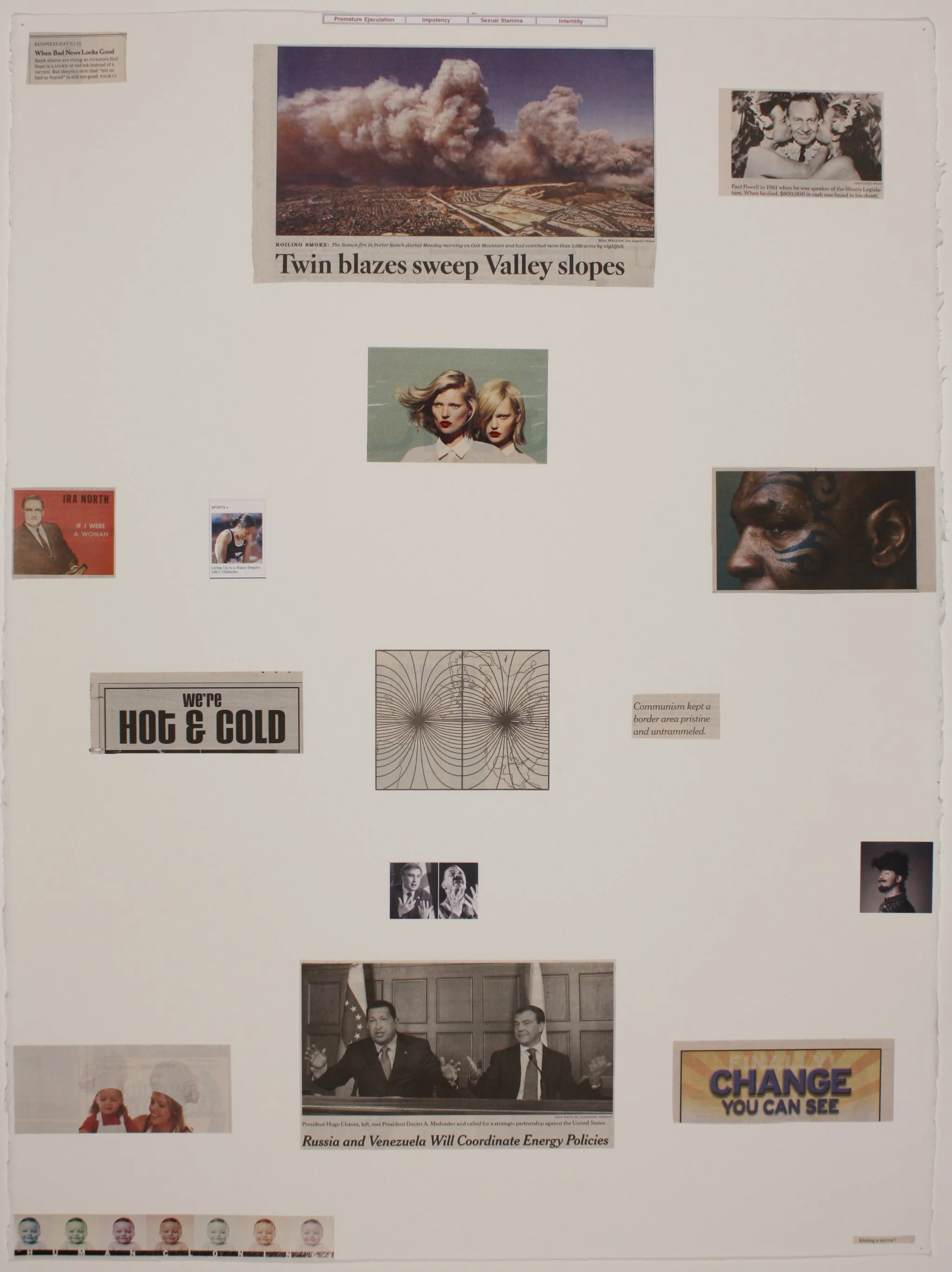
Twin Blazes Sweep Valley Slopes
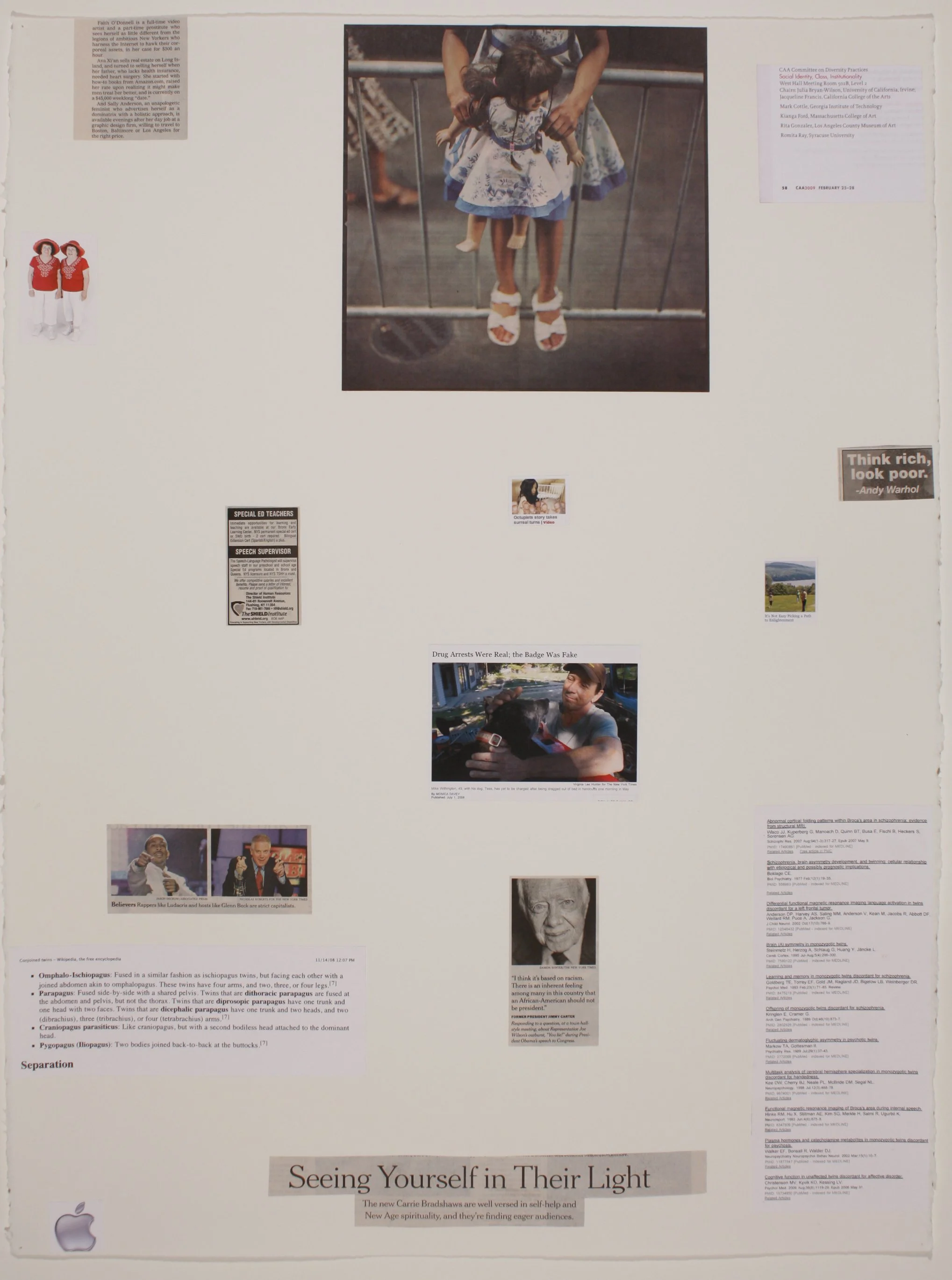
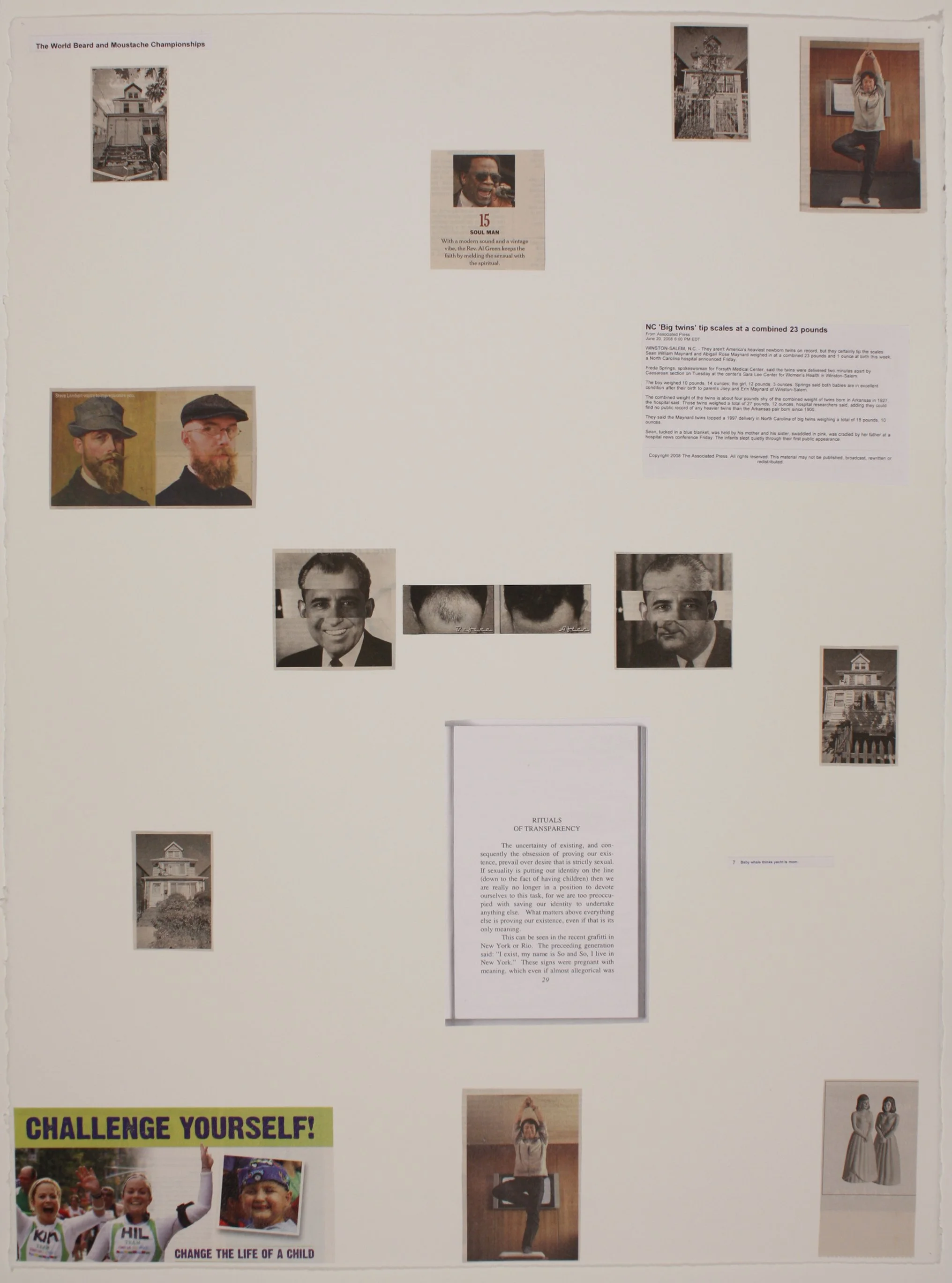
Think Rich Look Poor
Baby Whale Thinks Yacht is Mom
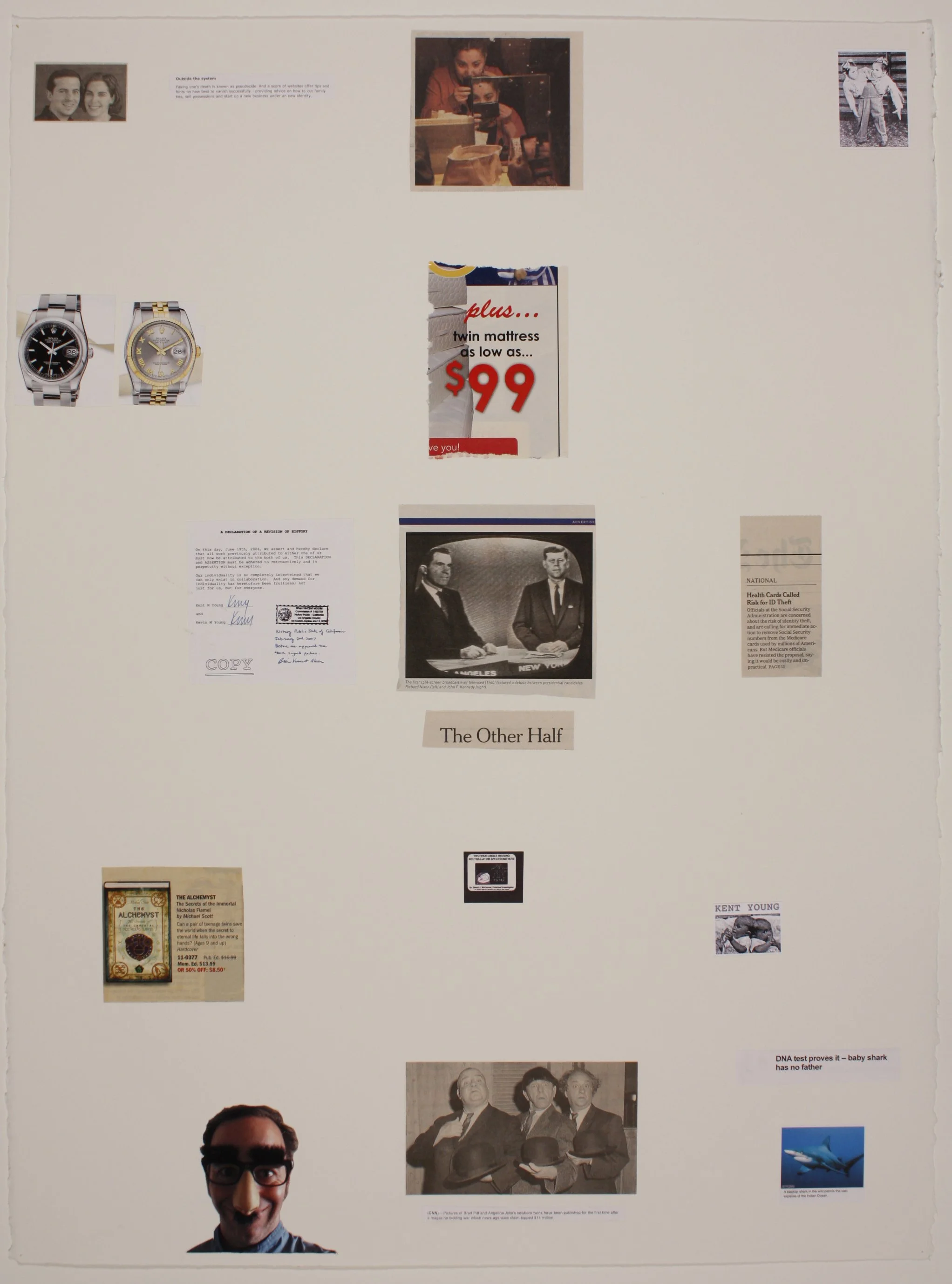
Baby Shark Has No Father
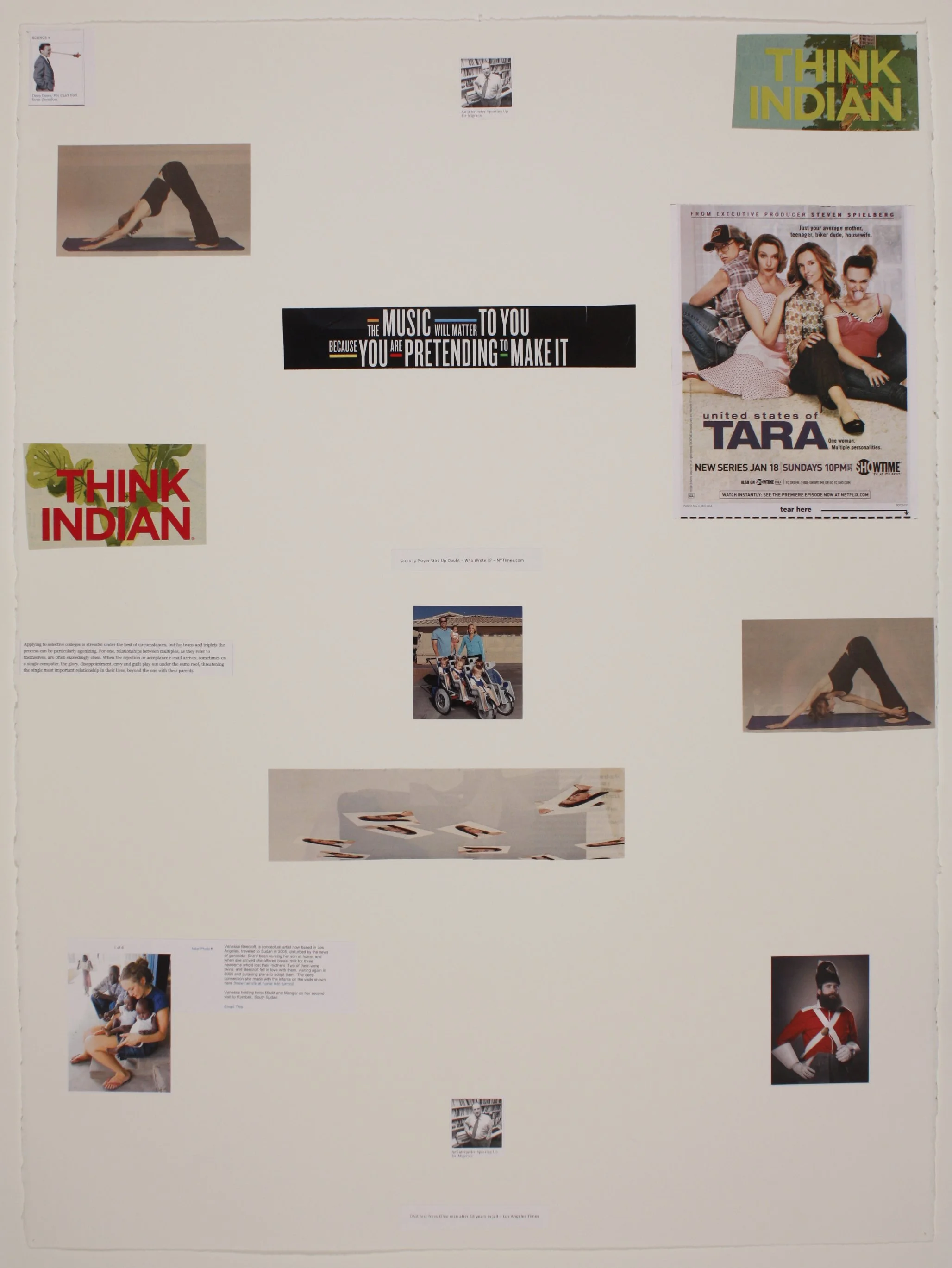
Think Indian
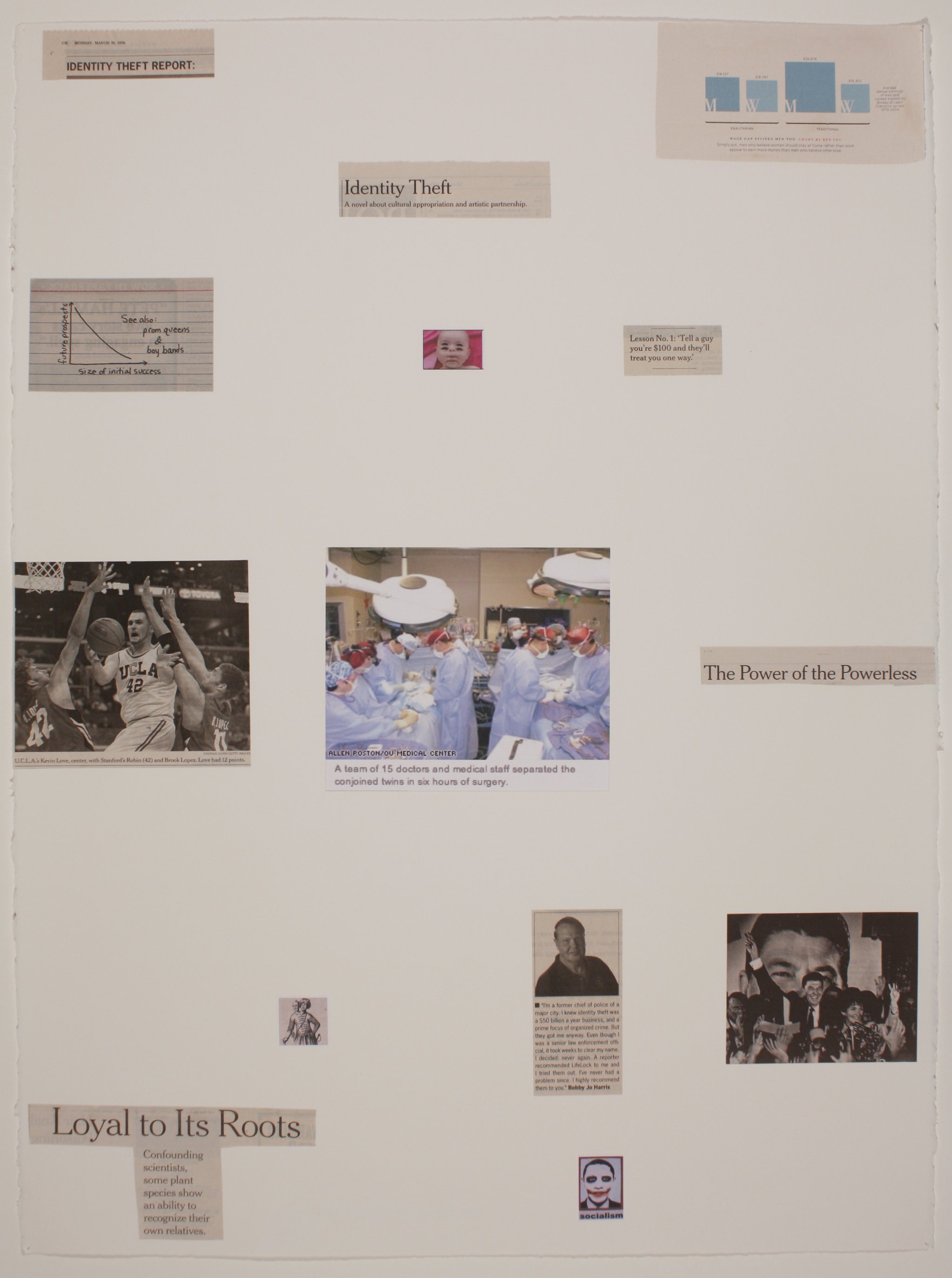
The Power of the Powerless
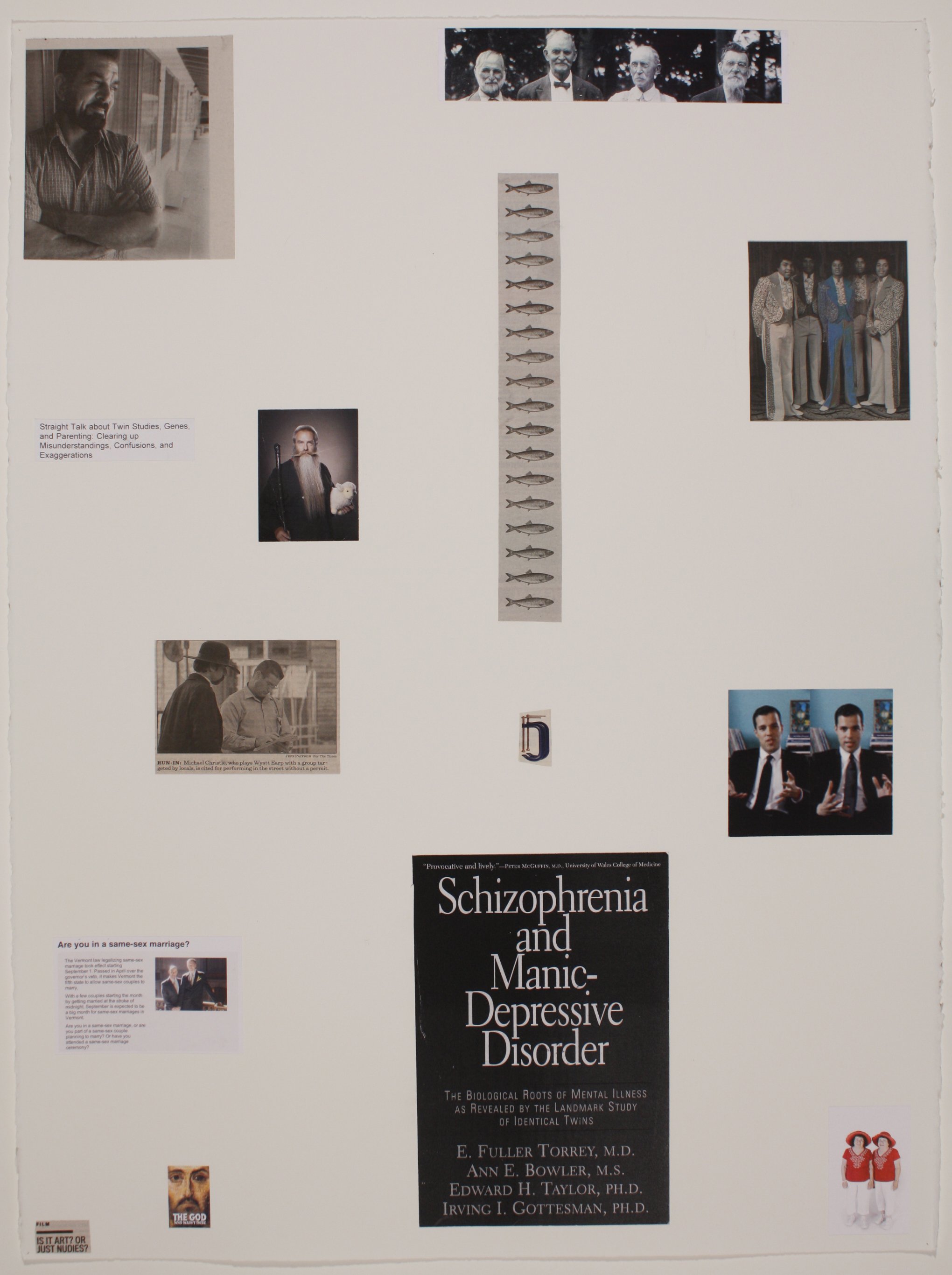
The God Who Wasn’t There
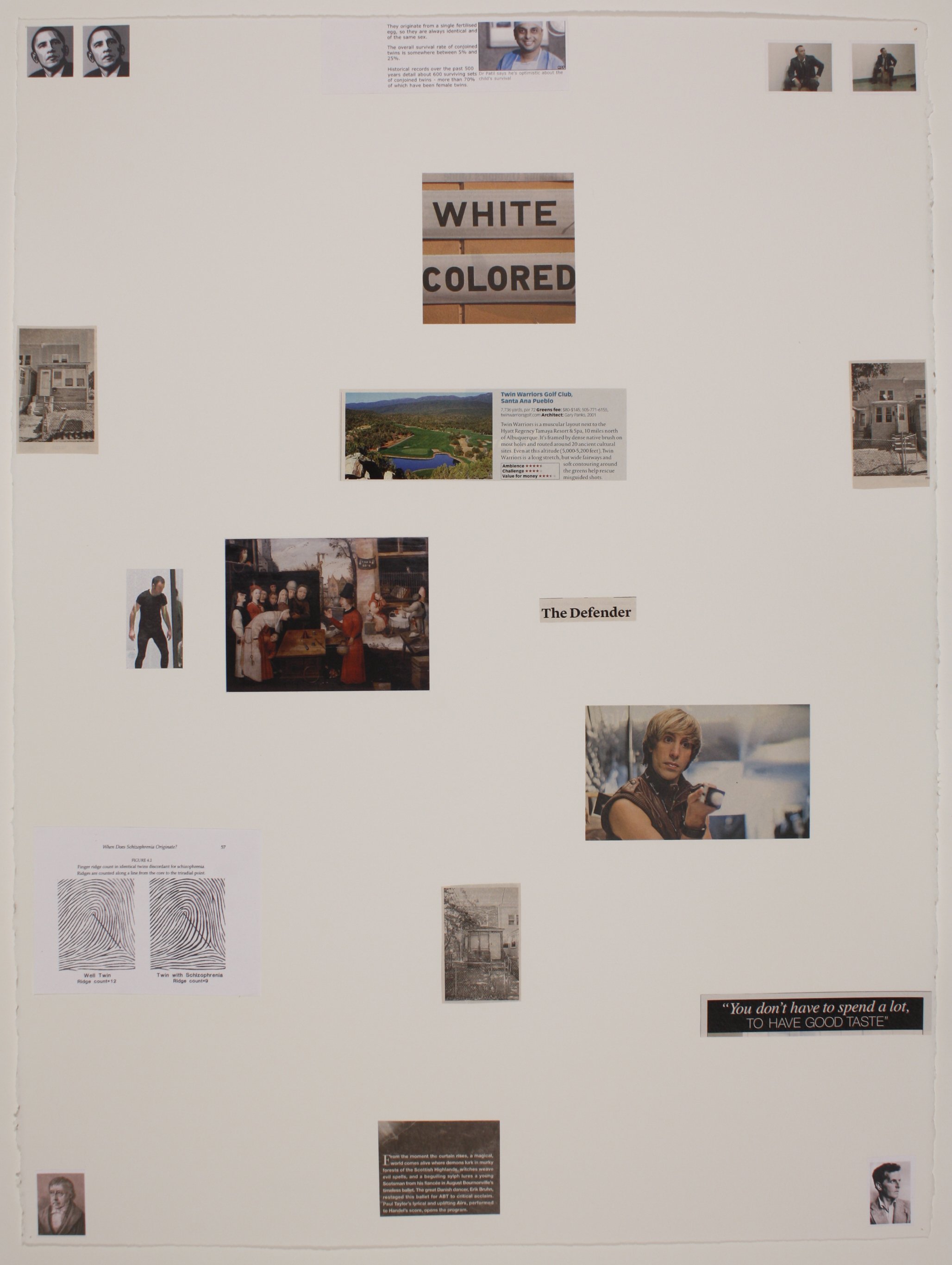
The Defender
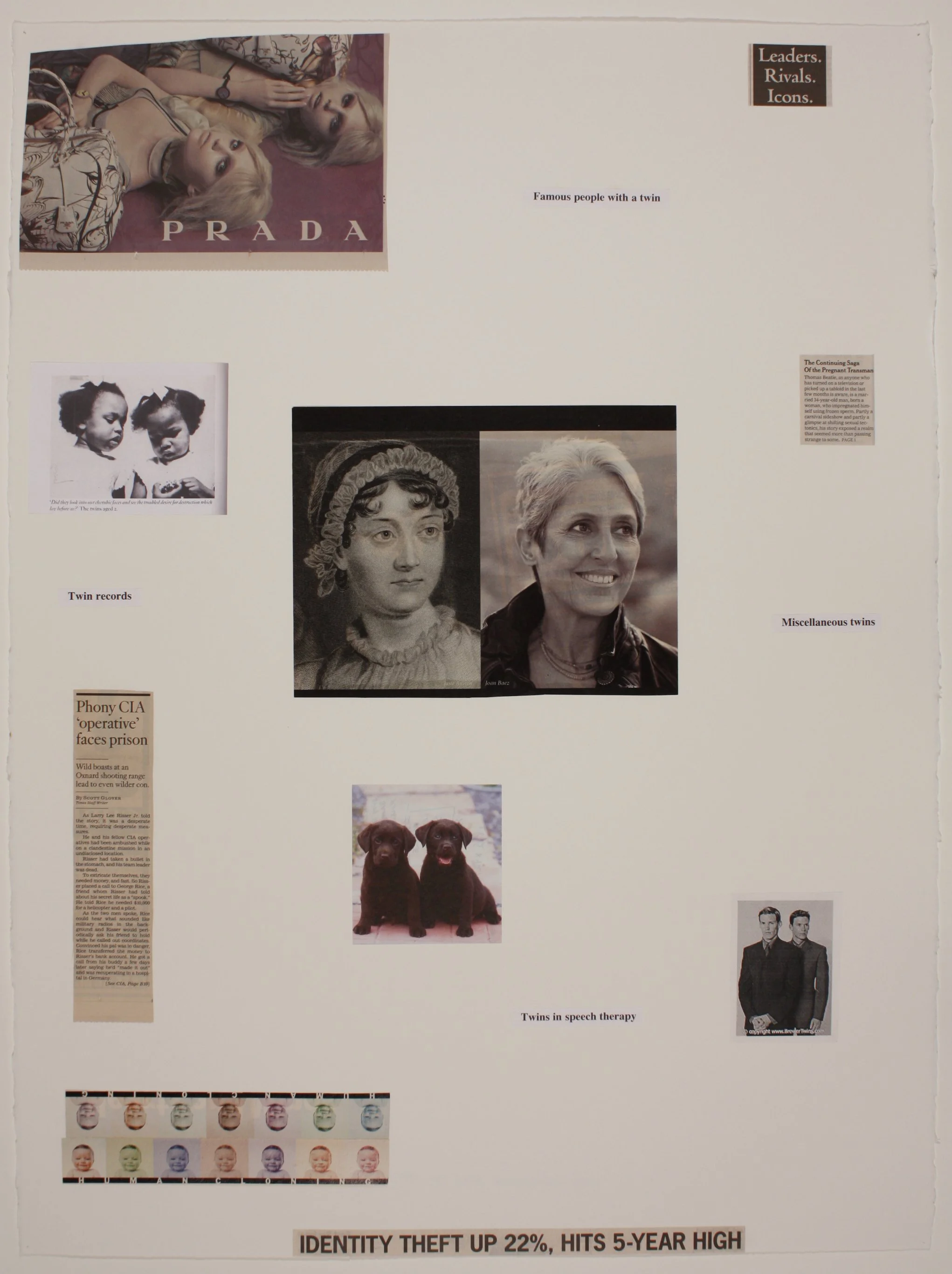
The Continuing Saga of the Pregnant Transman
Symmetrical Asymmetrical
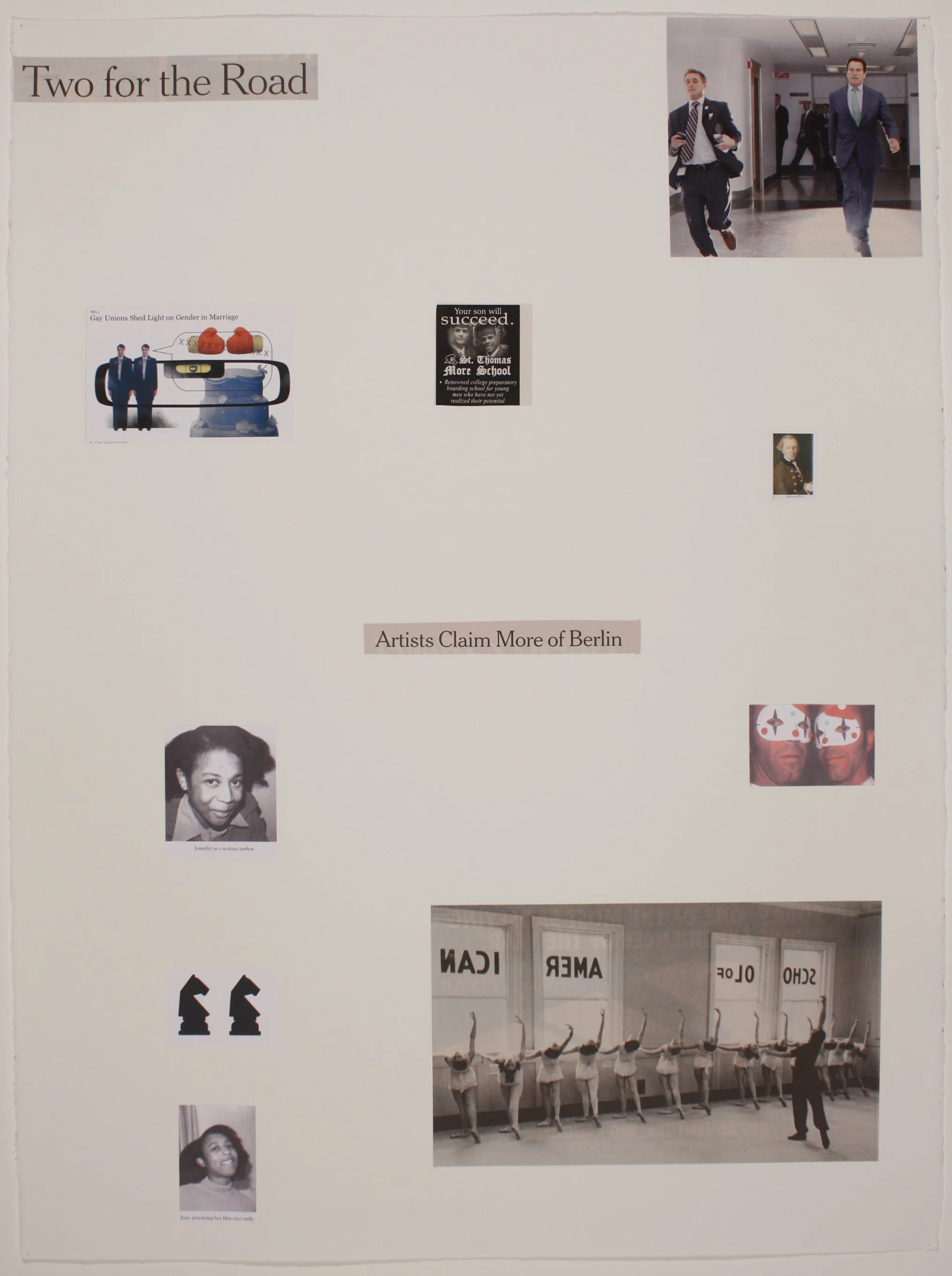
Artists Claim More of Berlin
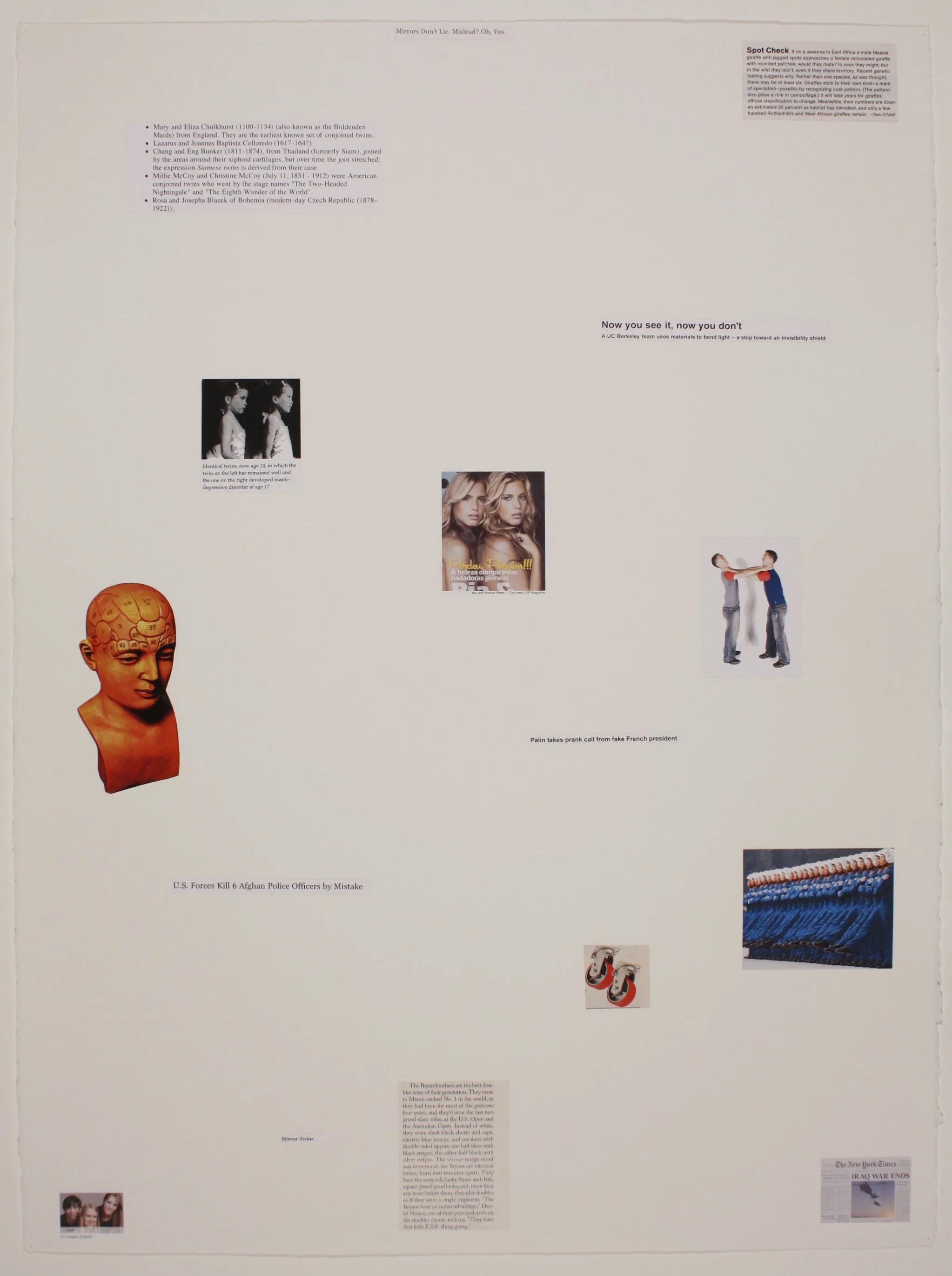
Spot Check
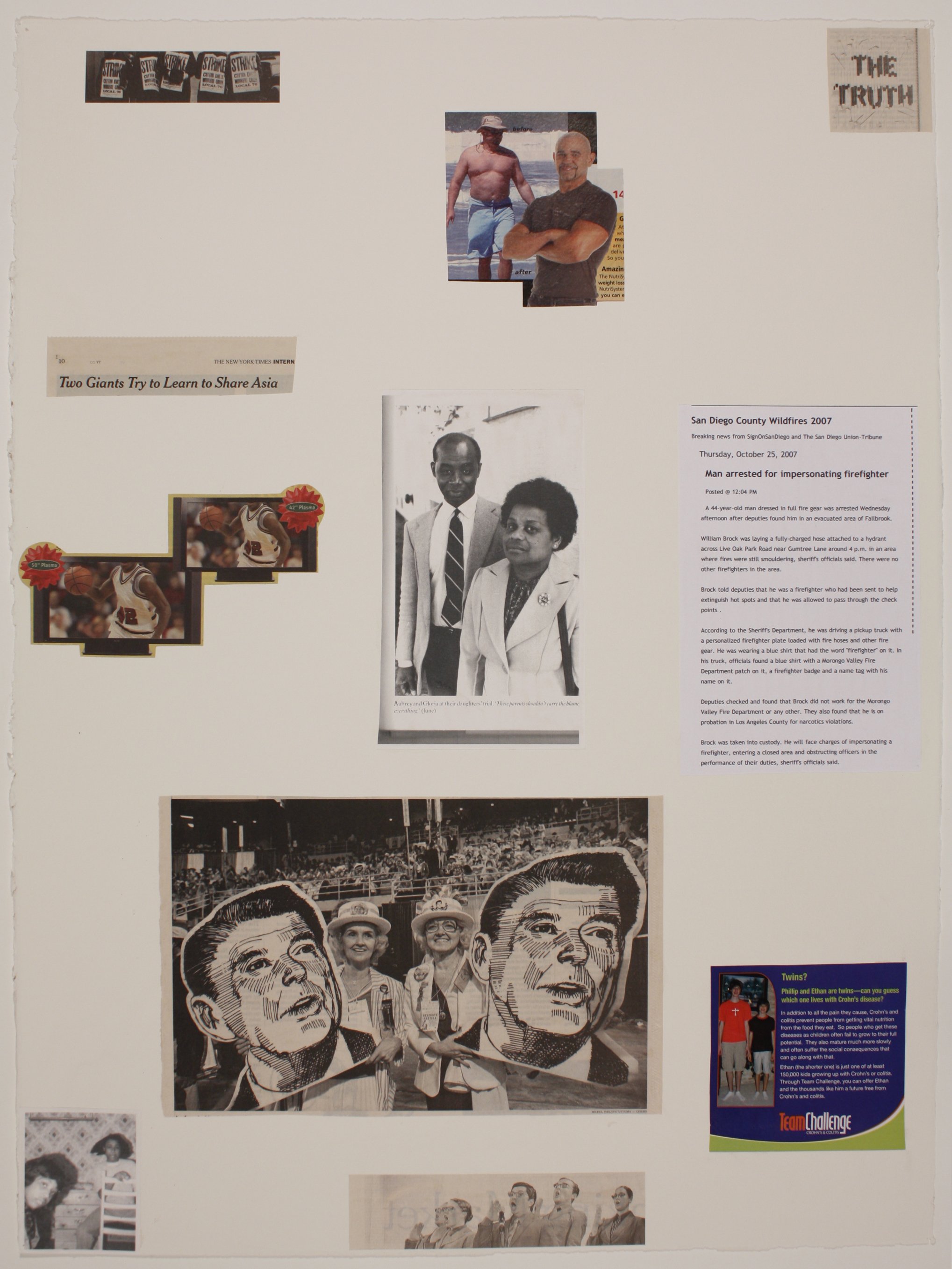
San Diego County Wildfires 2007
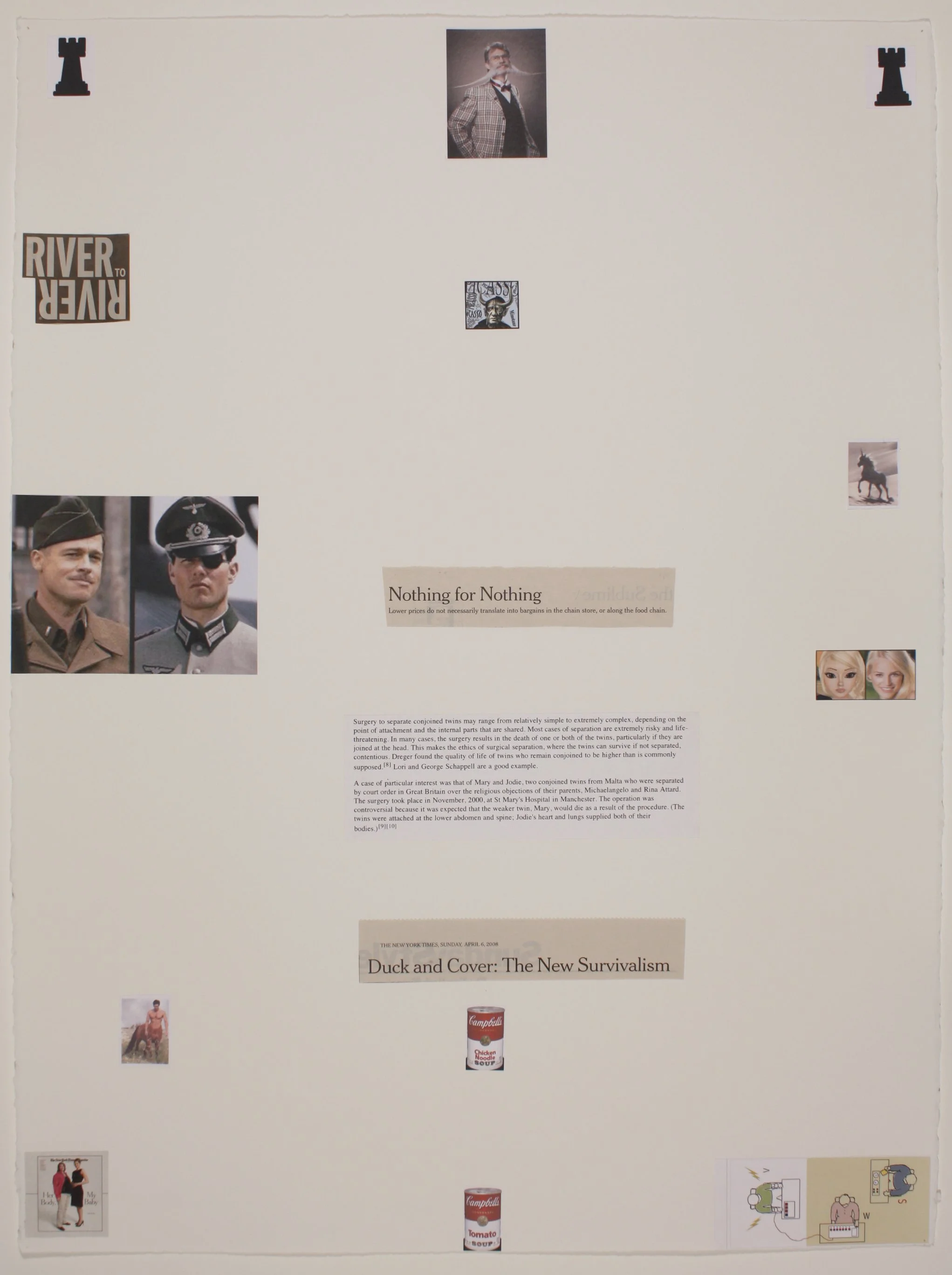
River to River
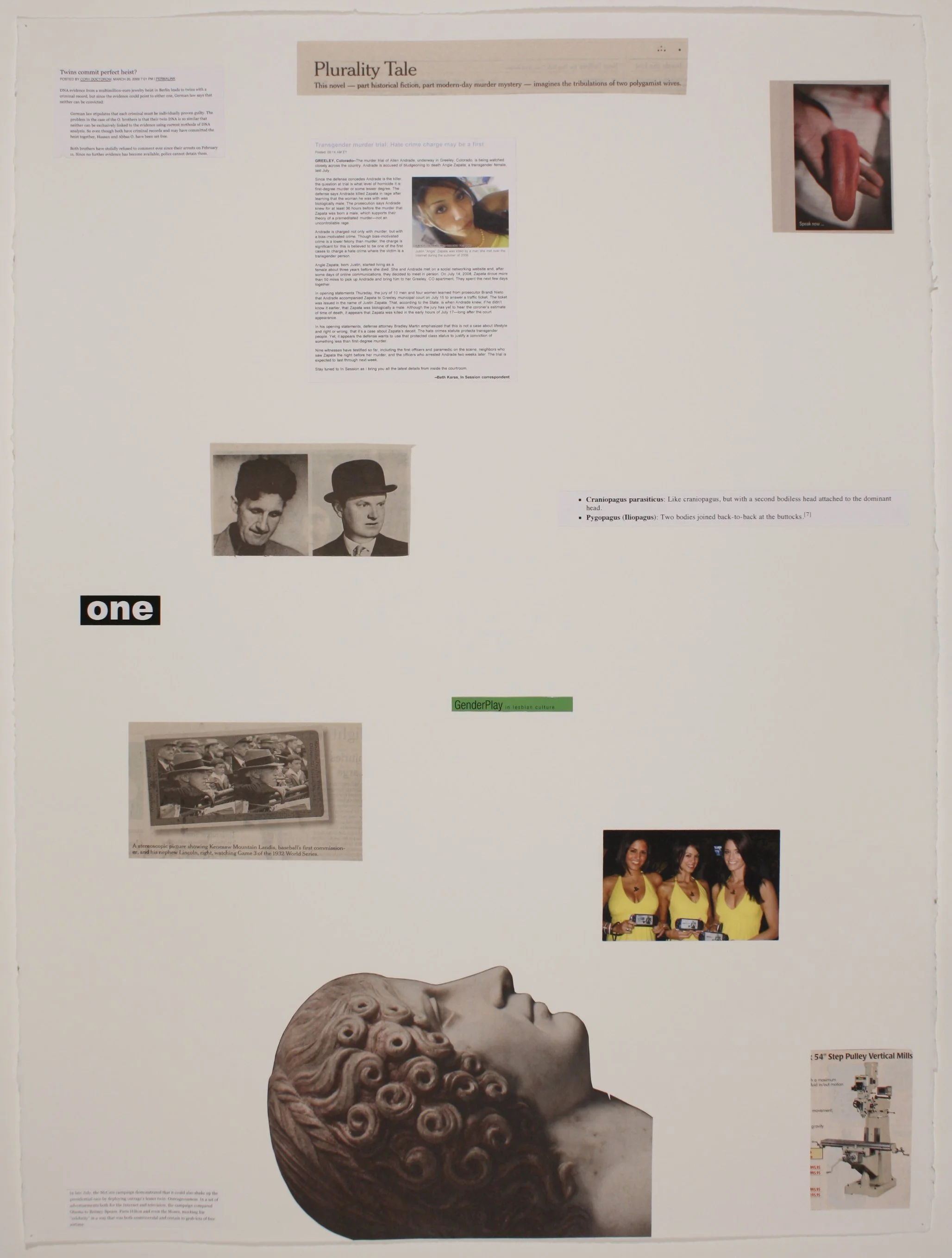
Plurality Tale
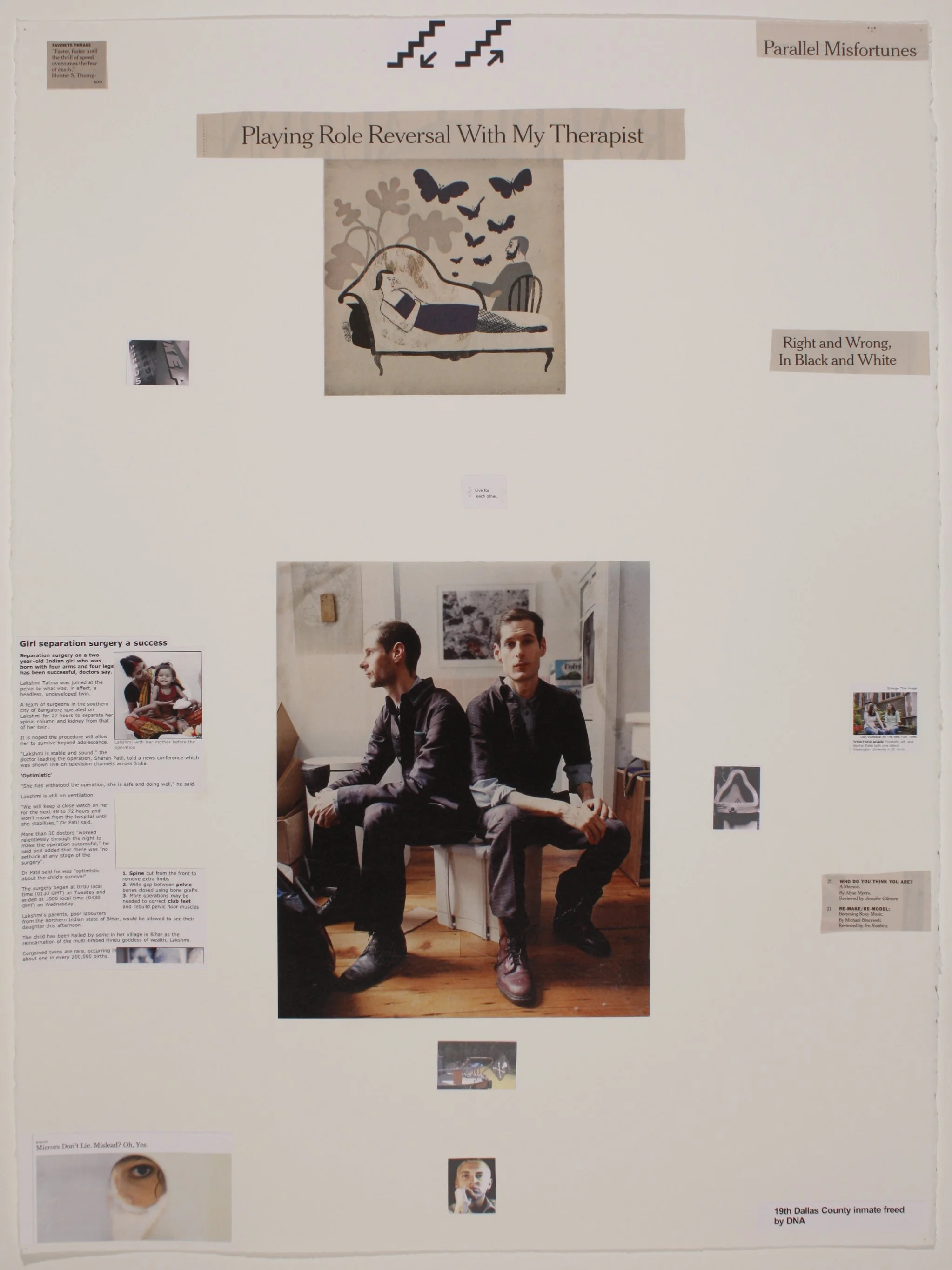
Parallel Misfortunes
Once You’ve Experienced Madness
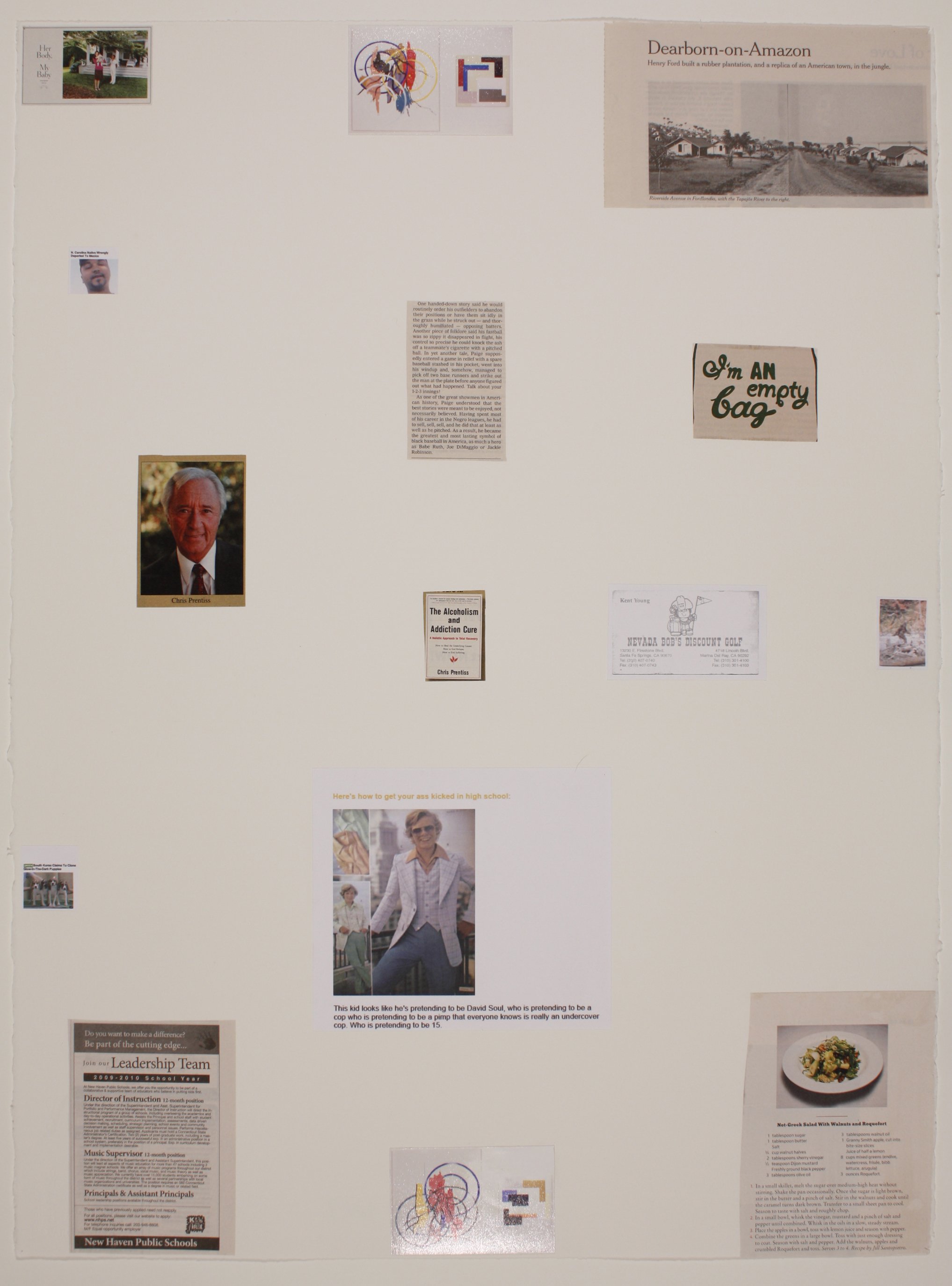
Not-Greek Salad
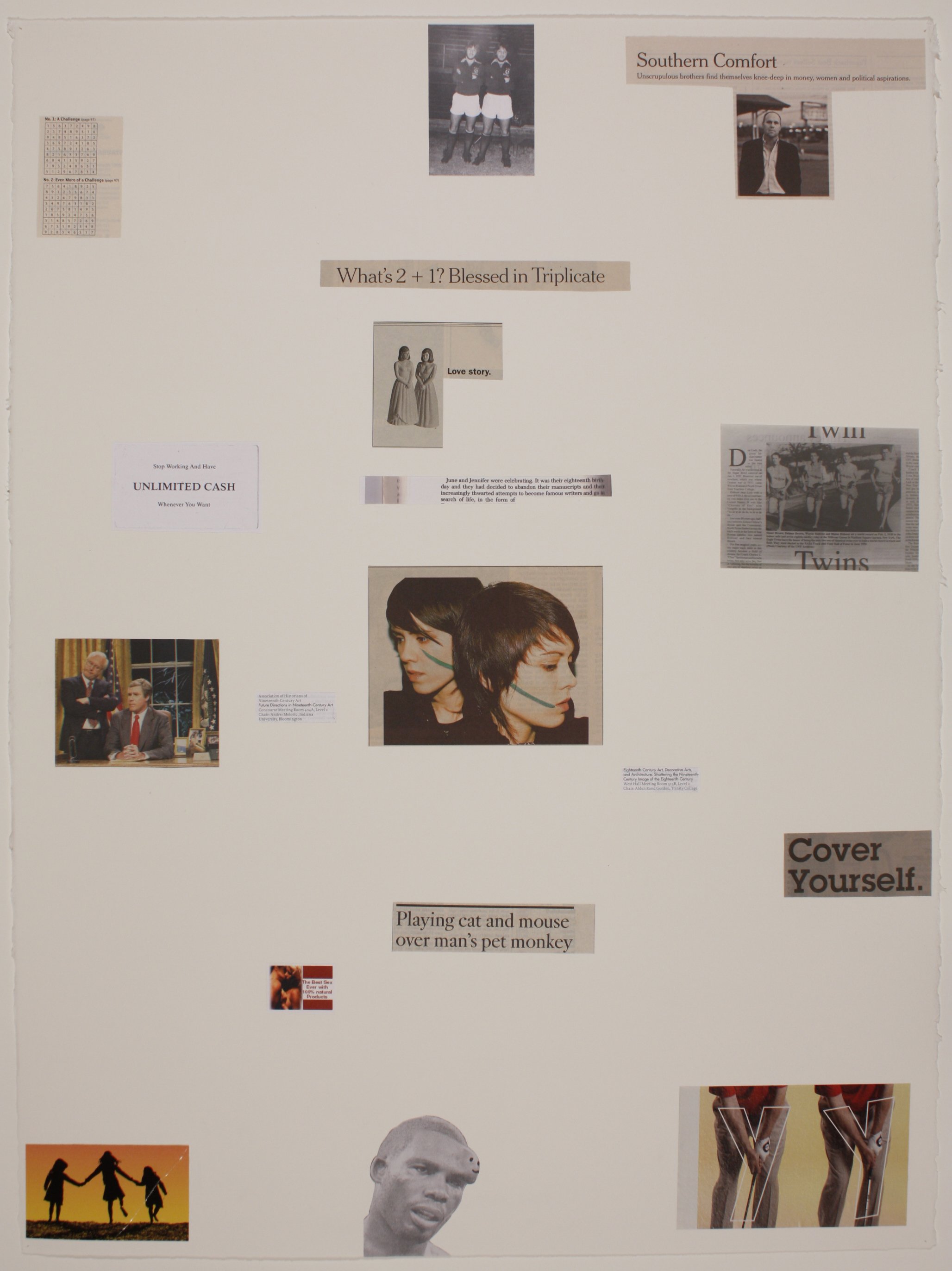
June and Jennifer
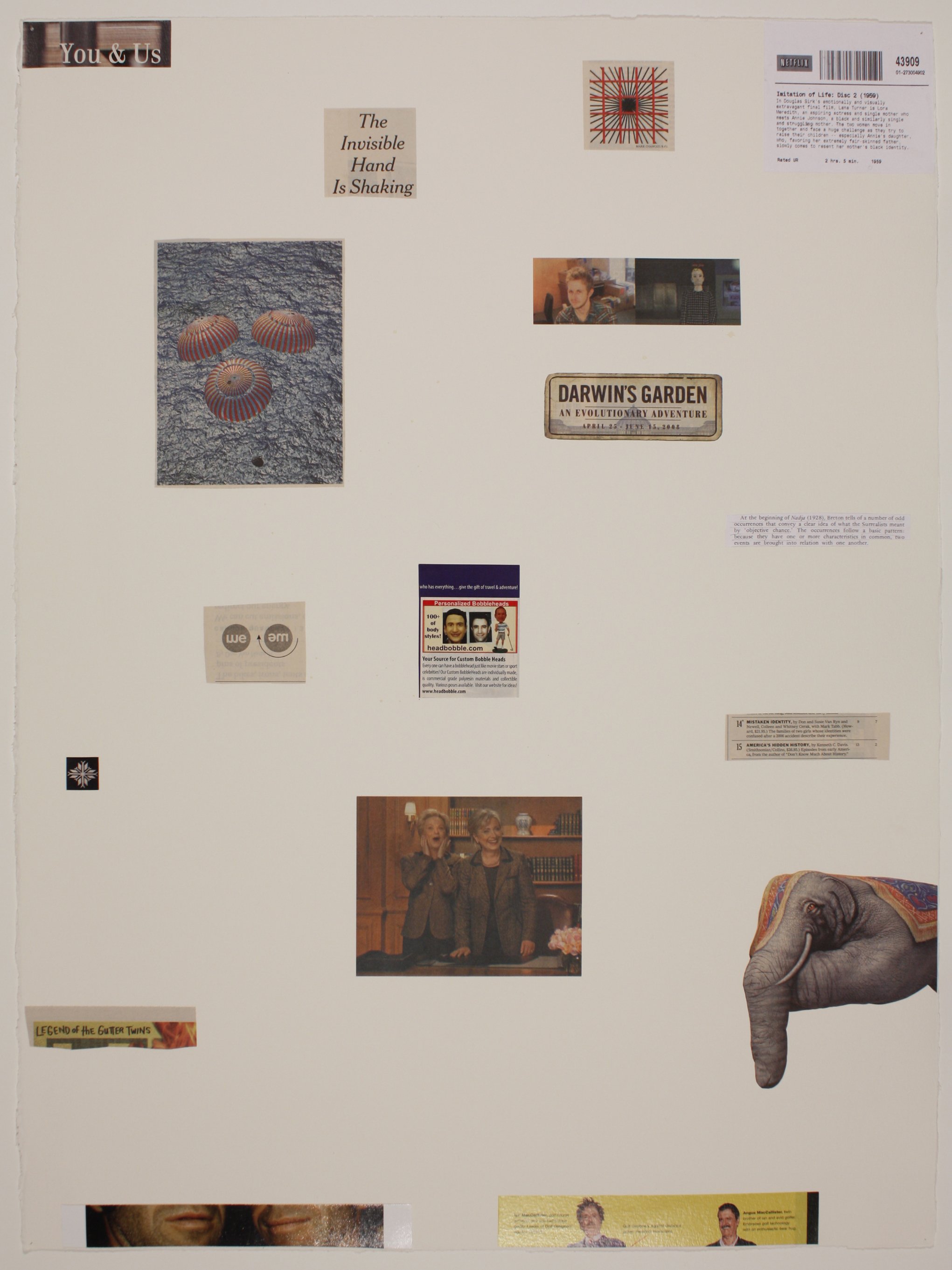
Imitation of Live—Disk 2 (1959)
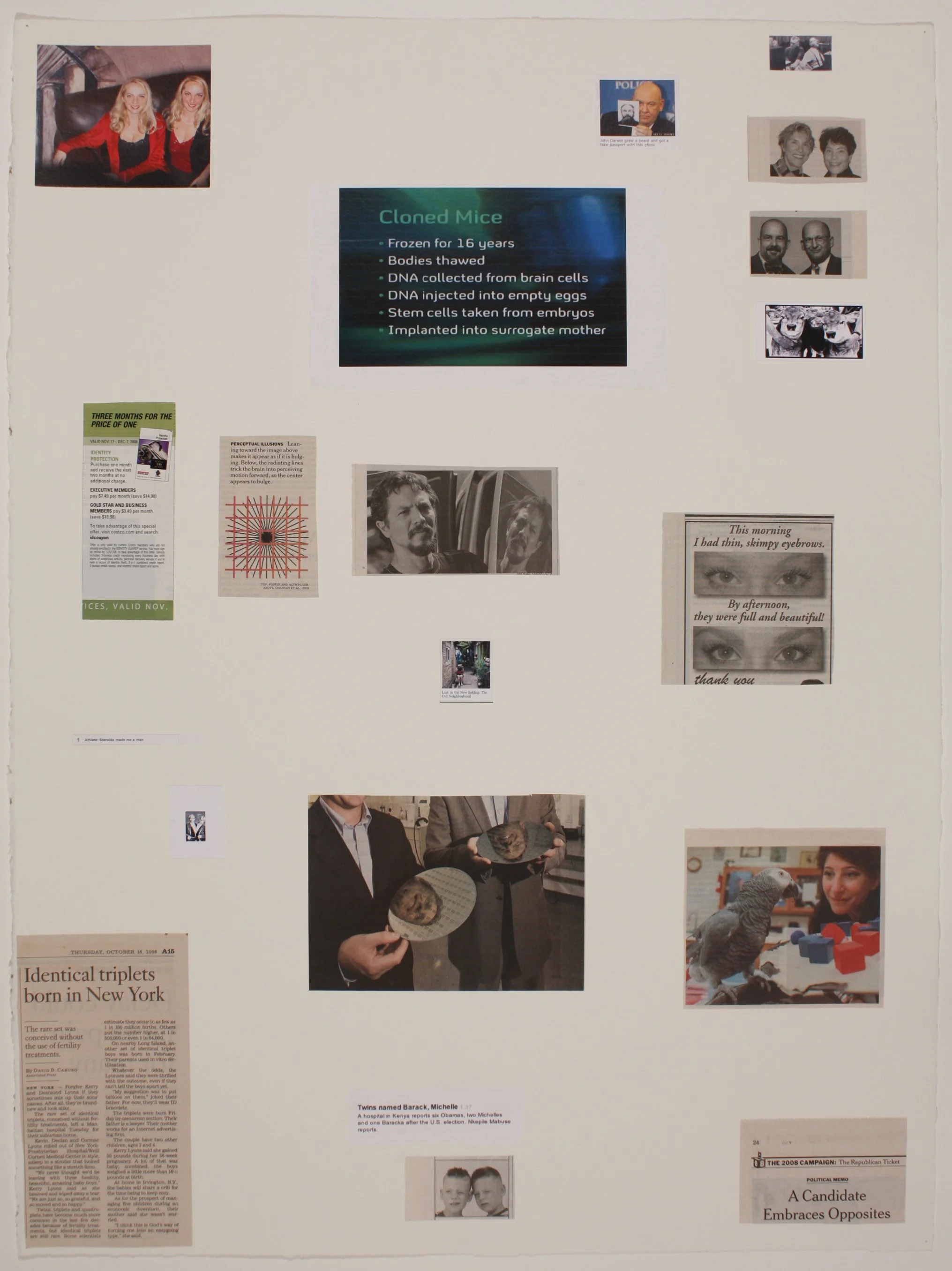
Identical Triplets Born in New York
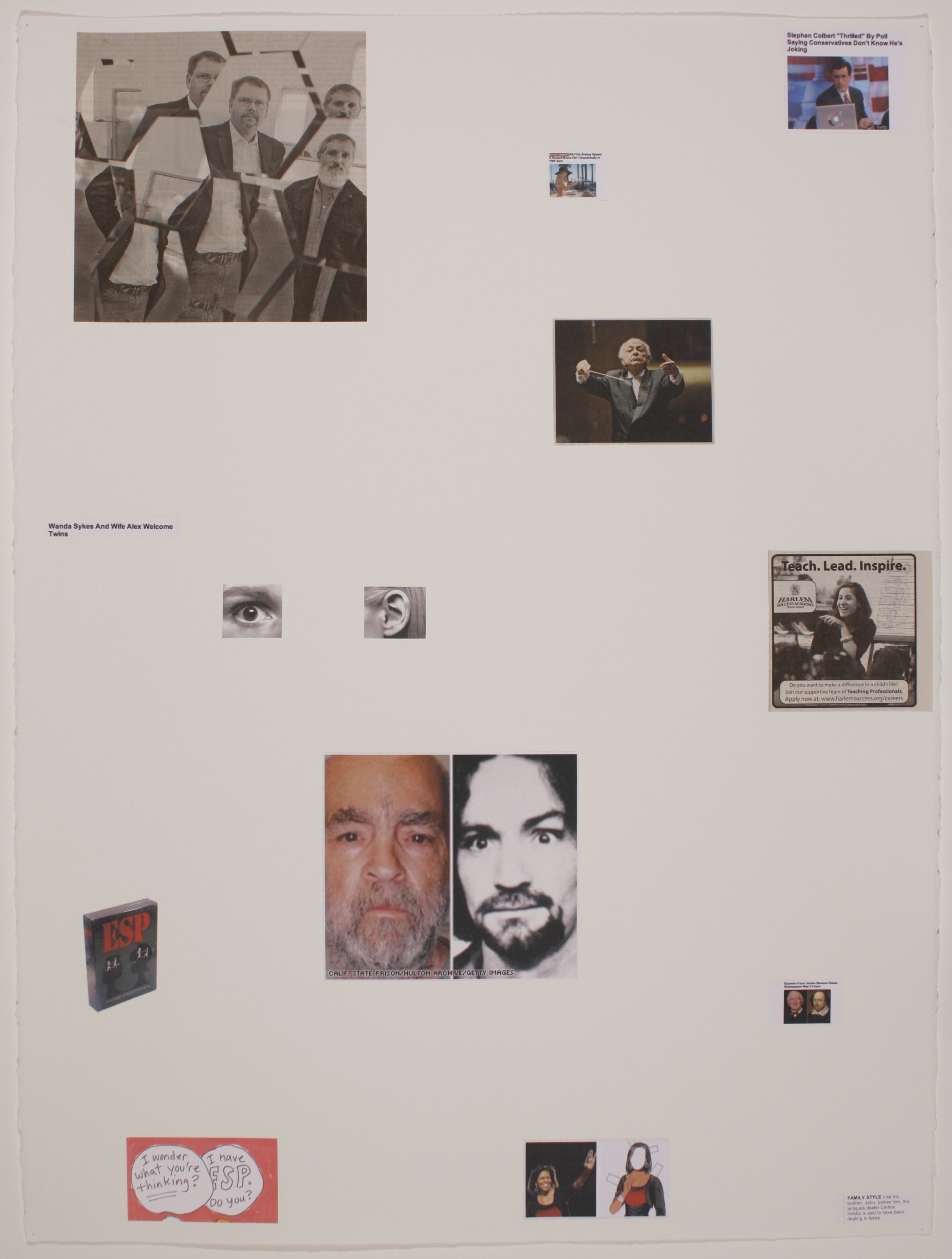
I Wonder What You’re Thinking
Gender Benders
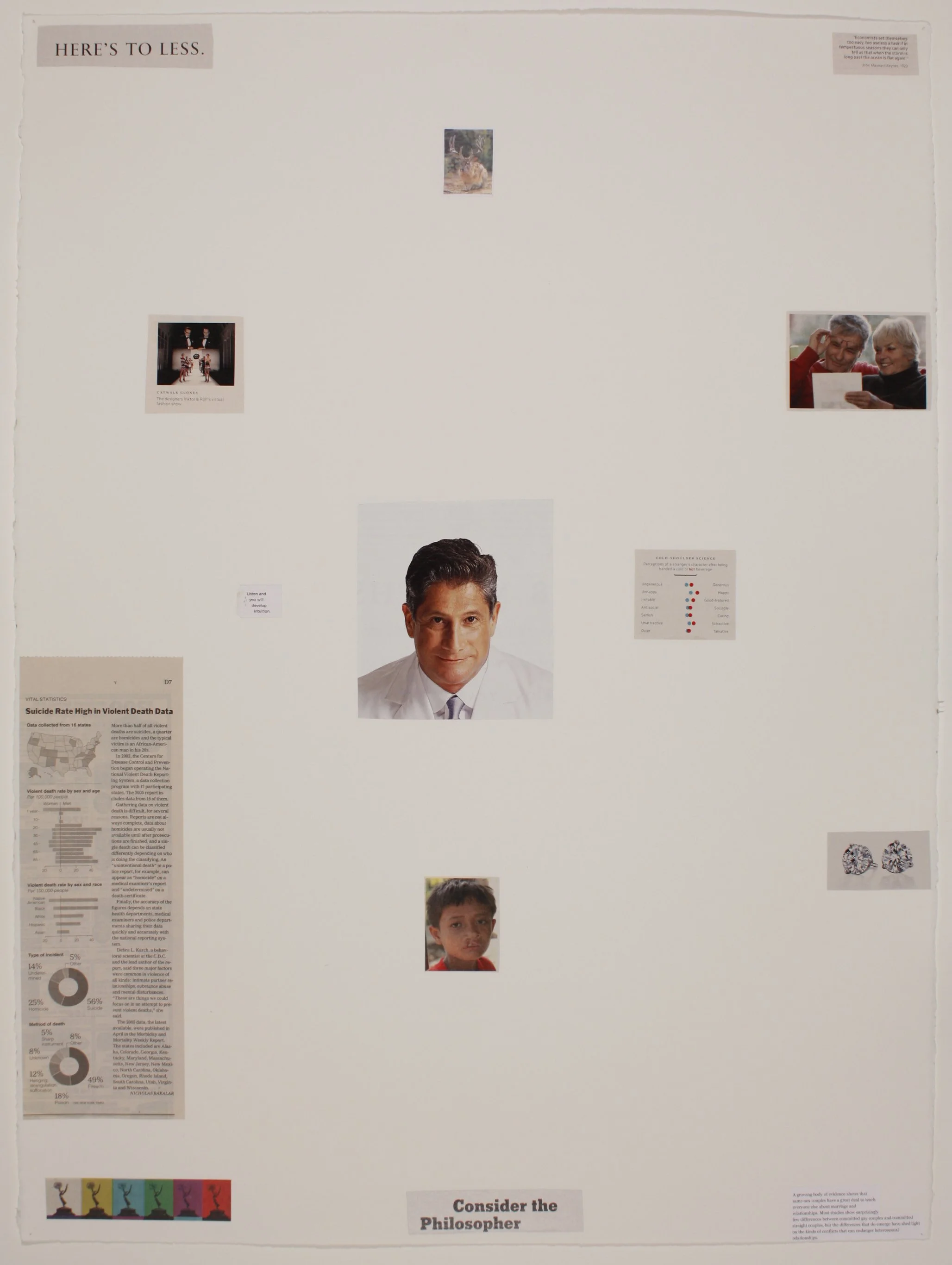
Crimson and Plaid
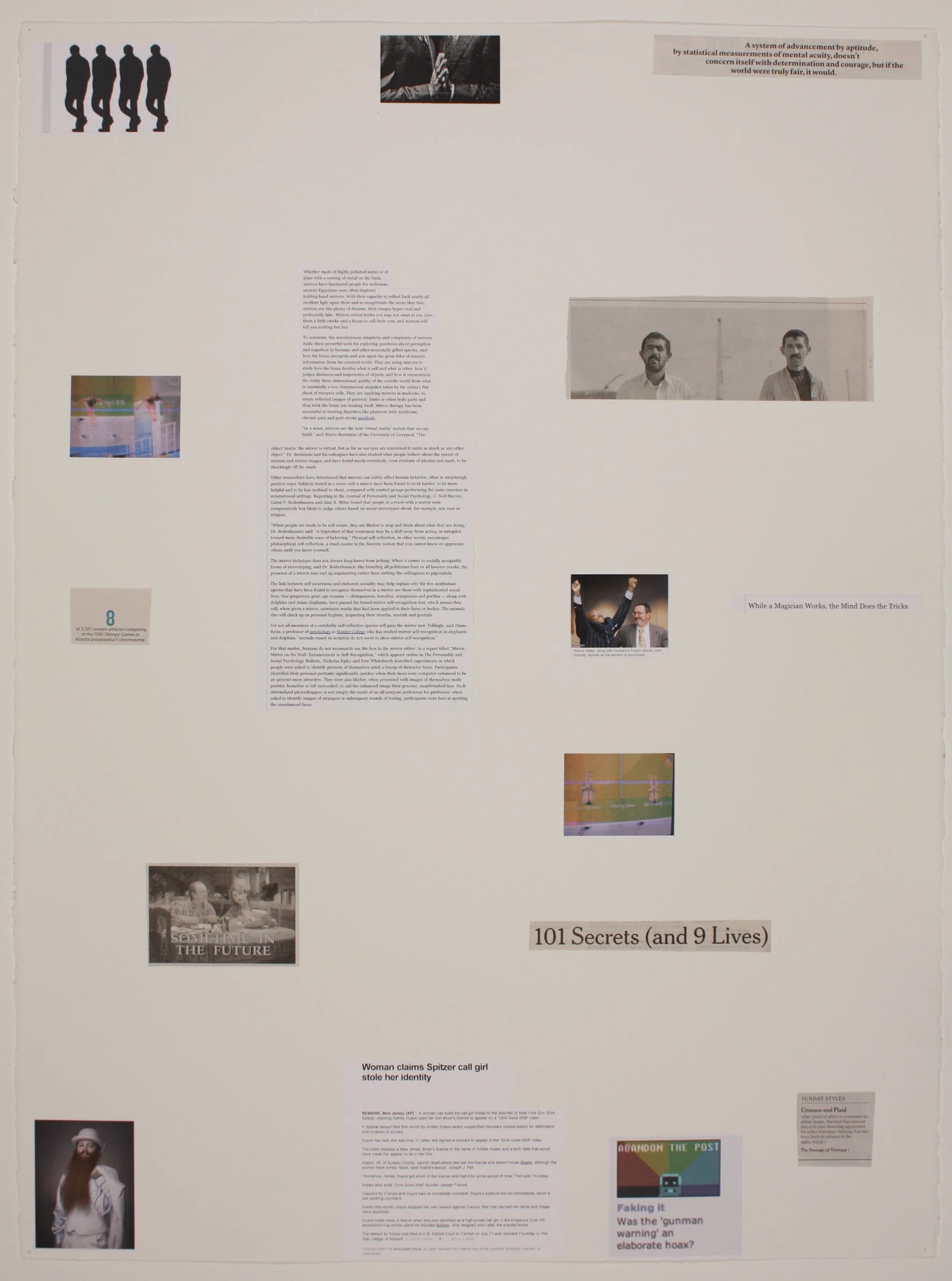
Catwalk Clones
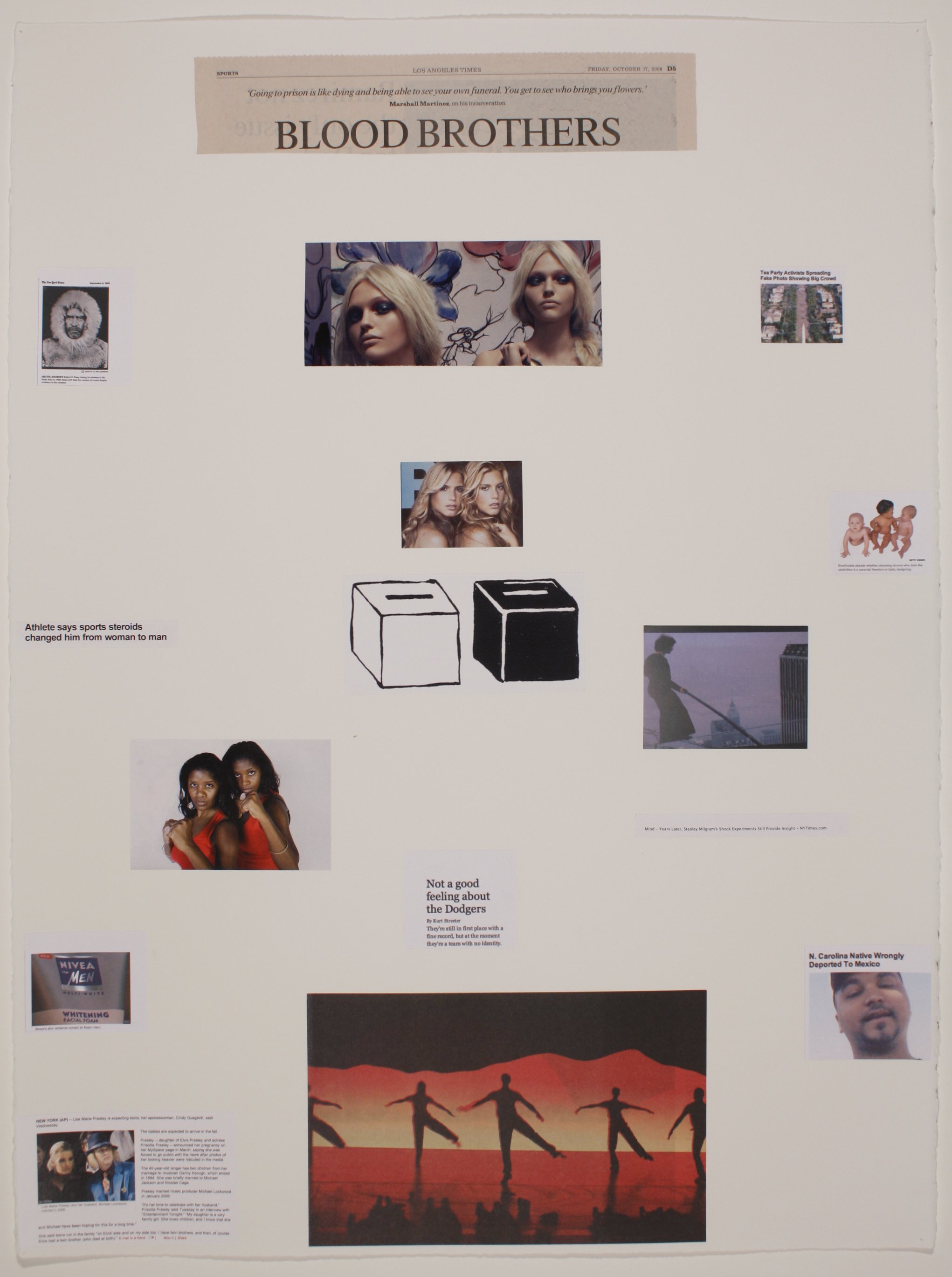
Blood Brothers
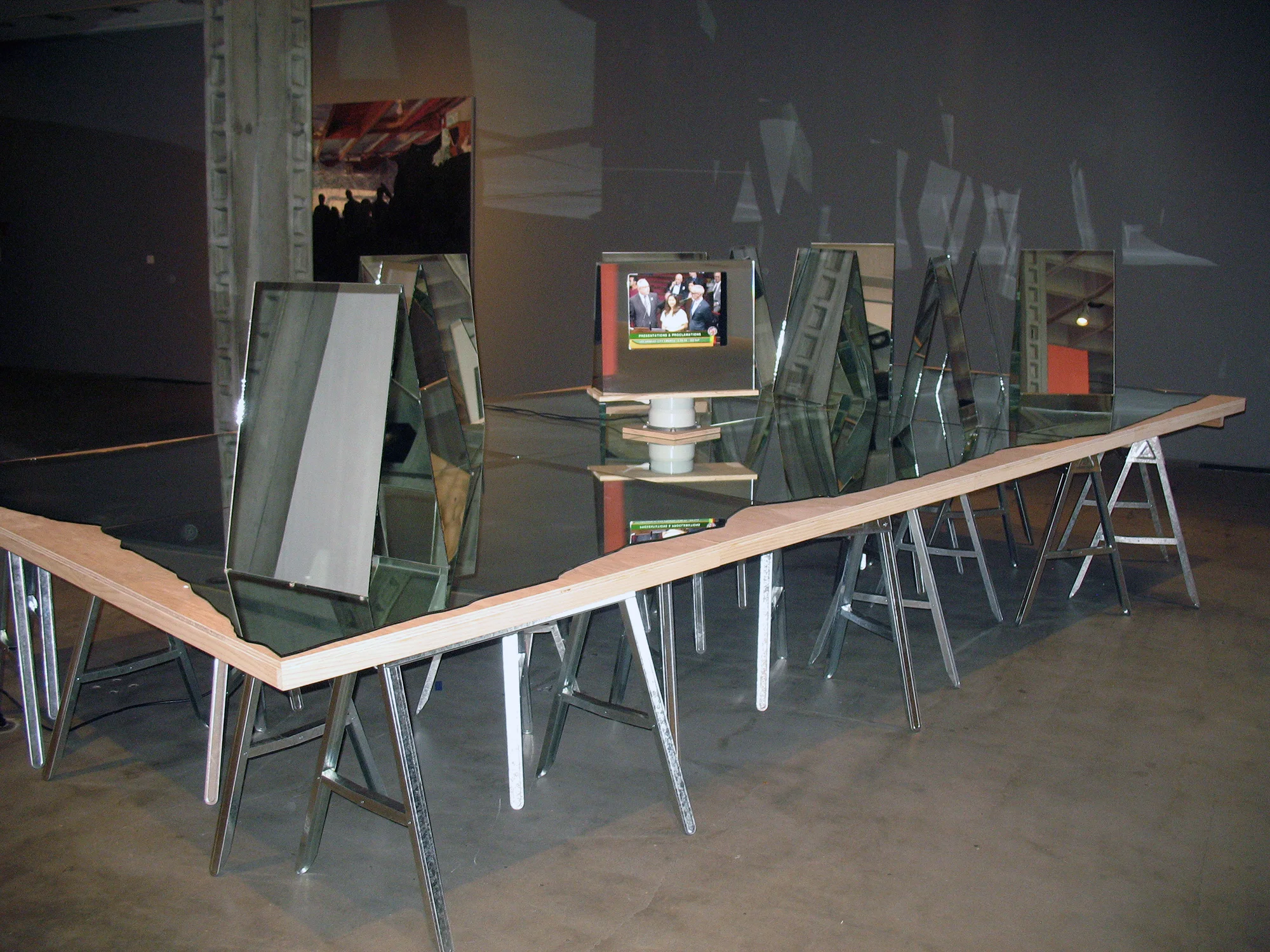
SIMULTANEOUS EVENTS: para el ciudad- 34°03'00"N and 118°14'37"W and 34°02'60"N and 118°15'00"W
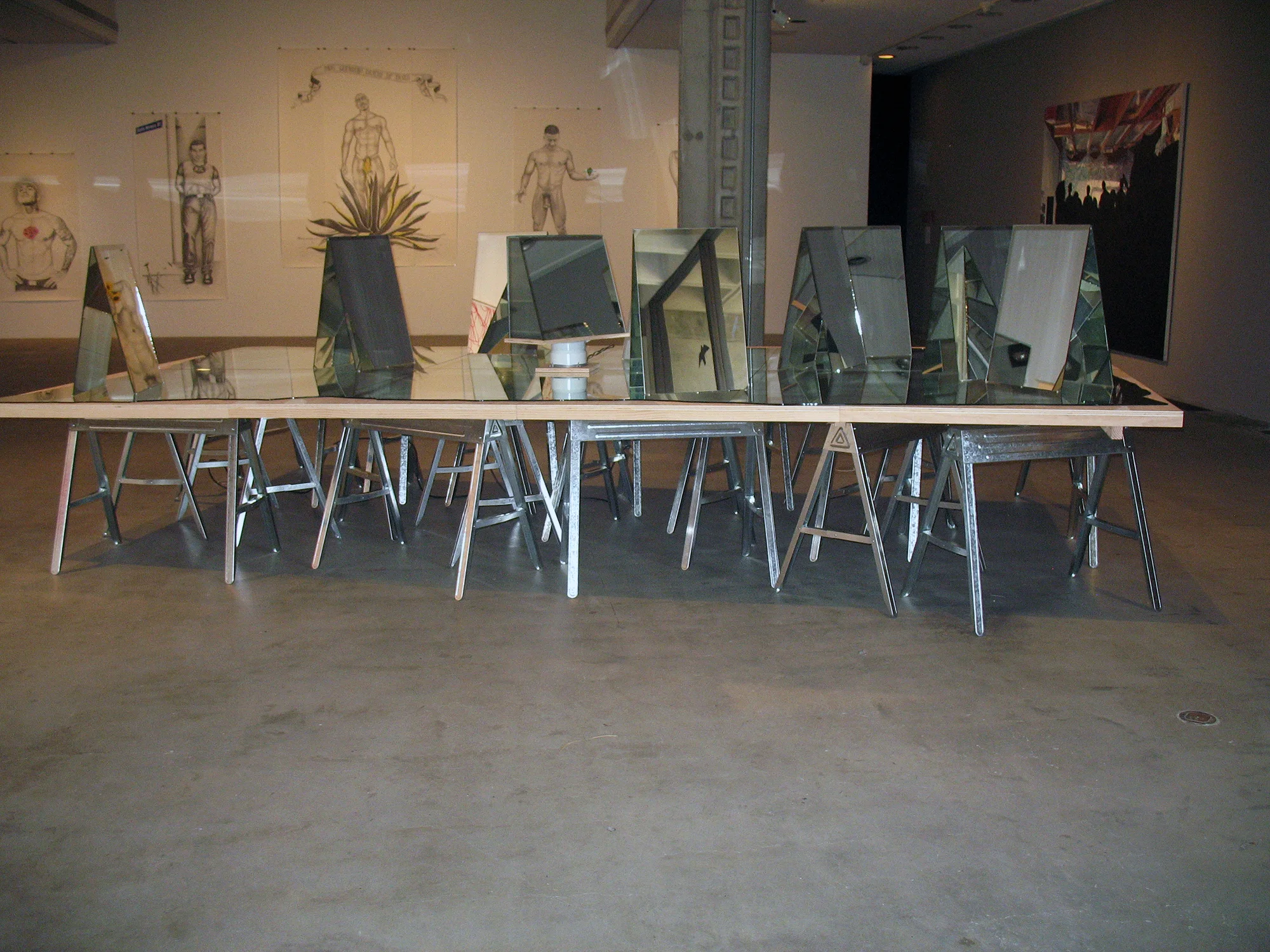
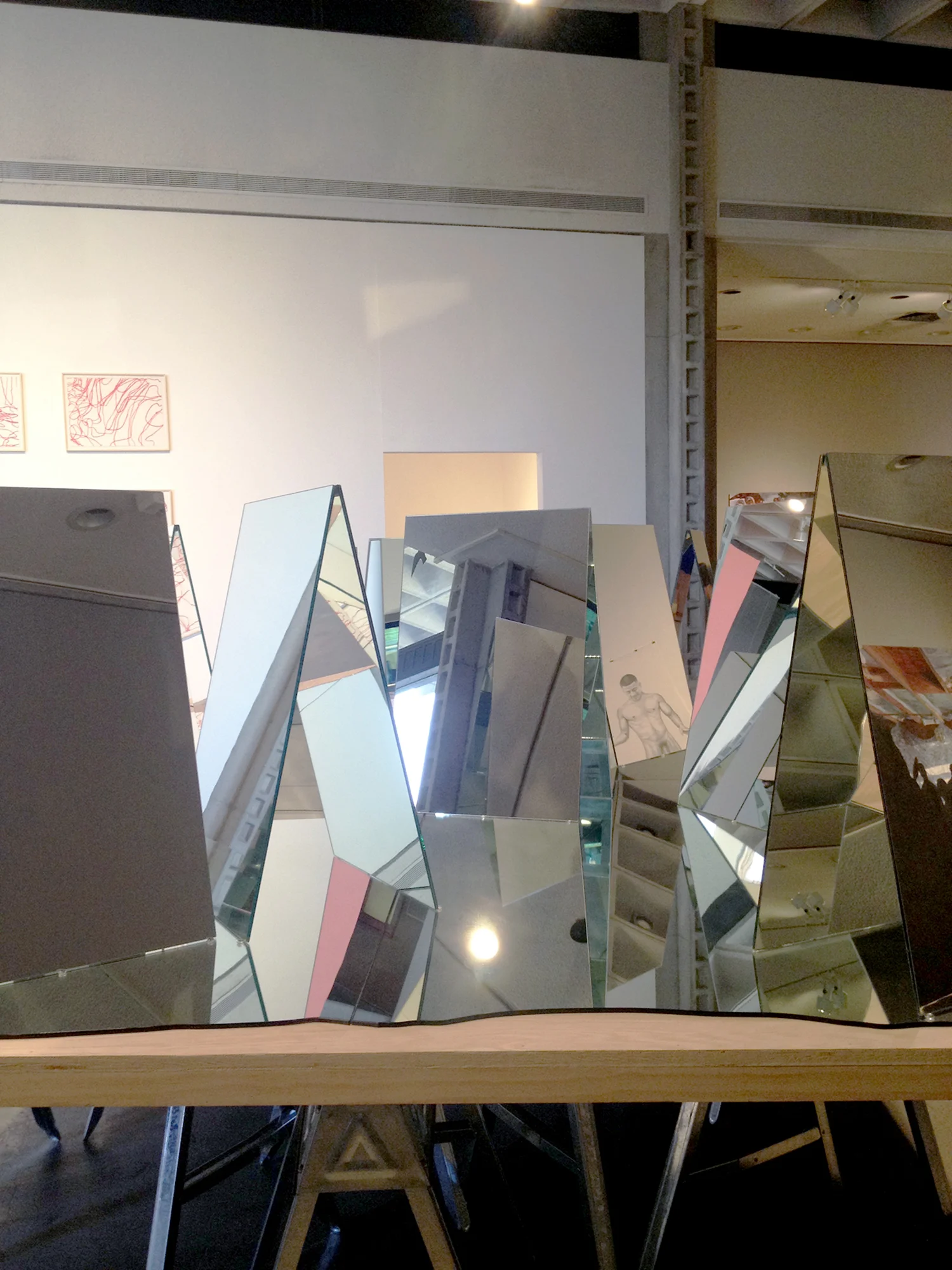
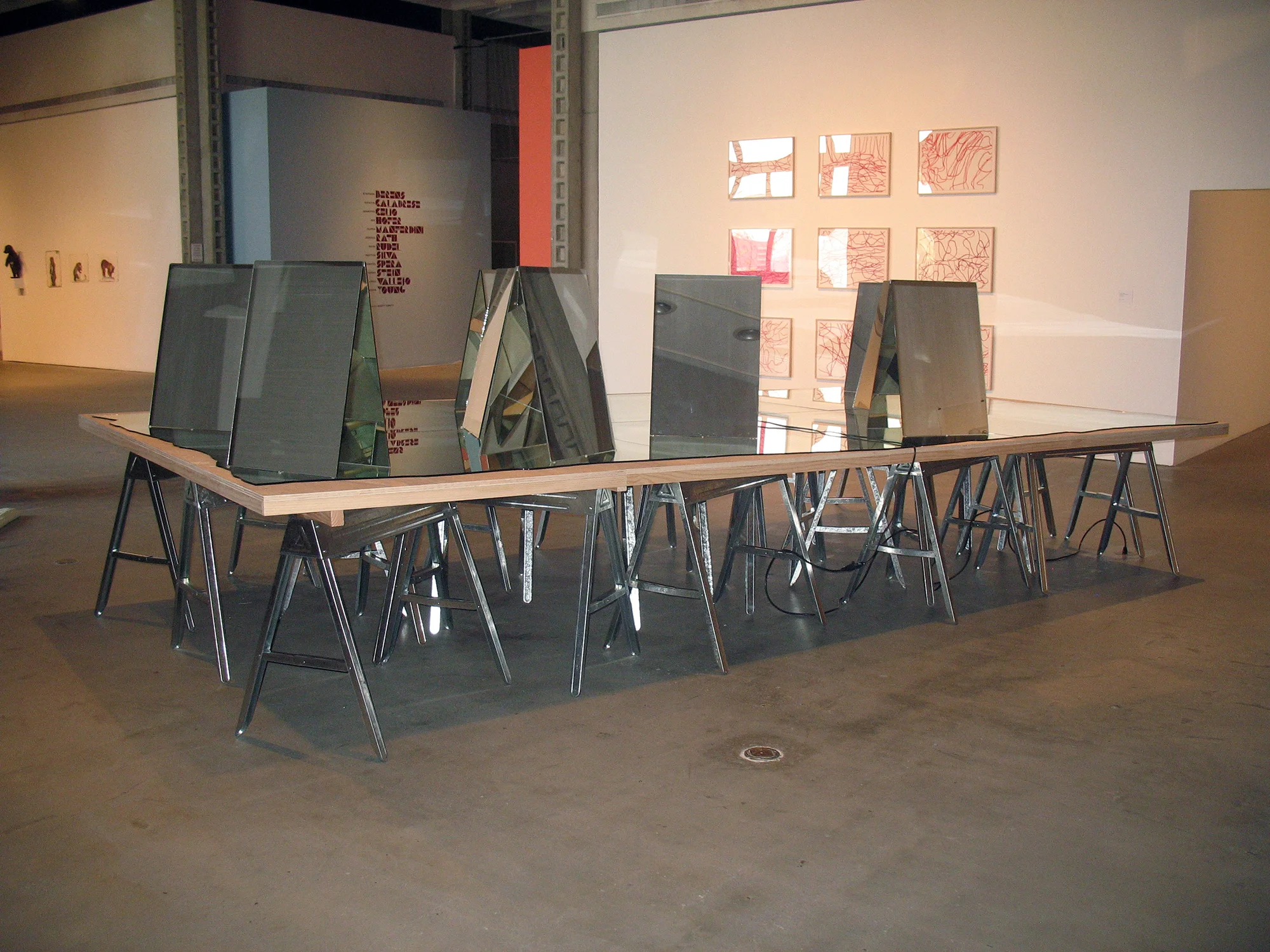
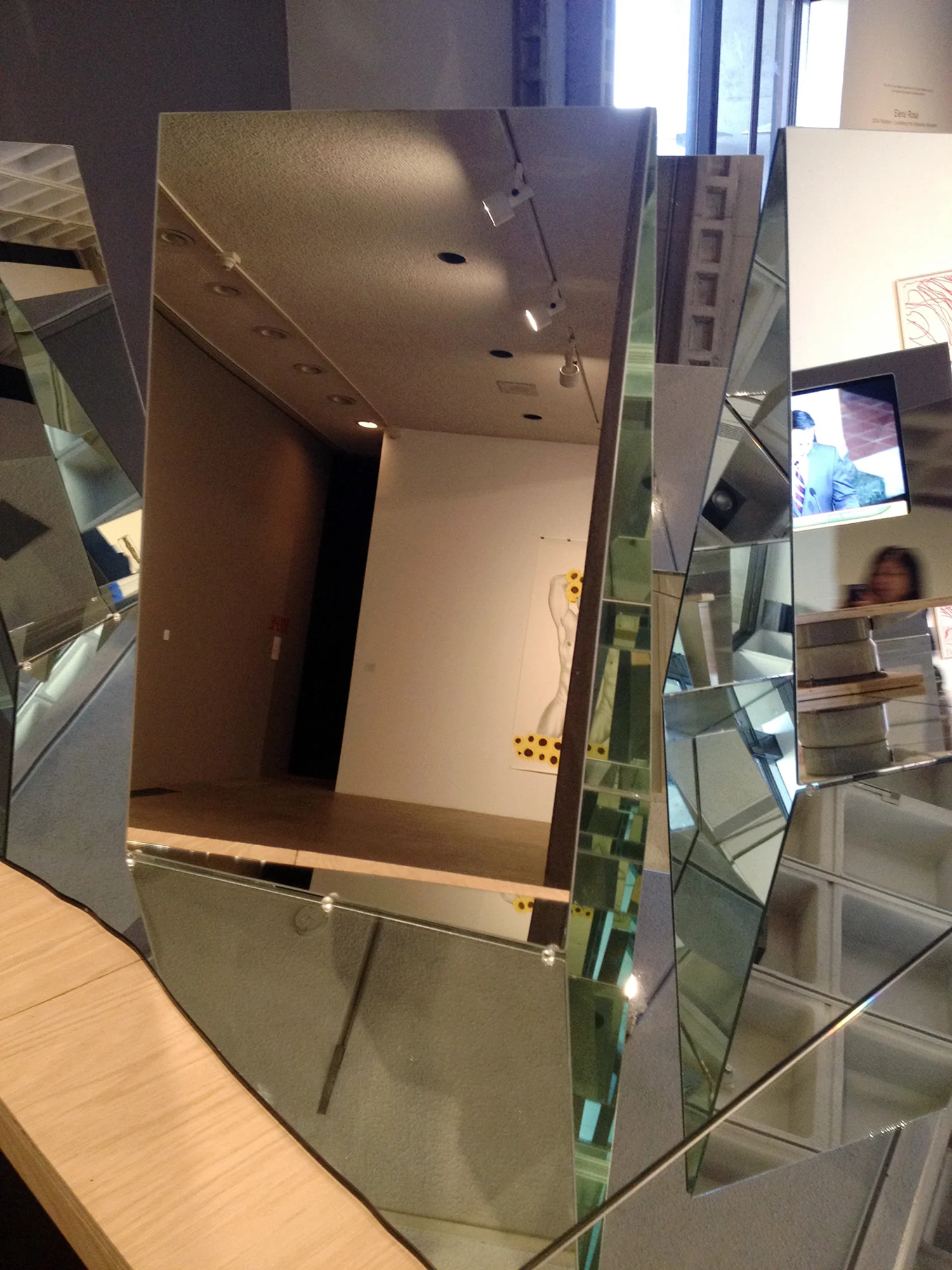
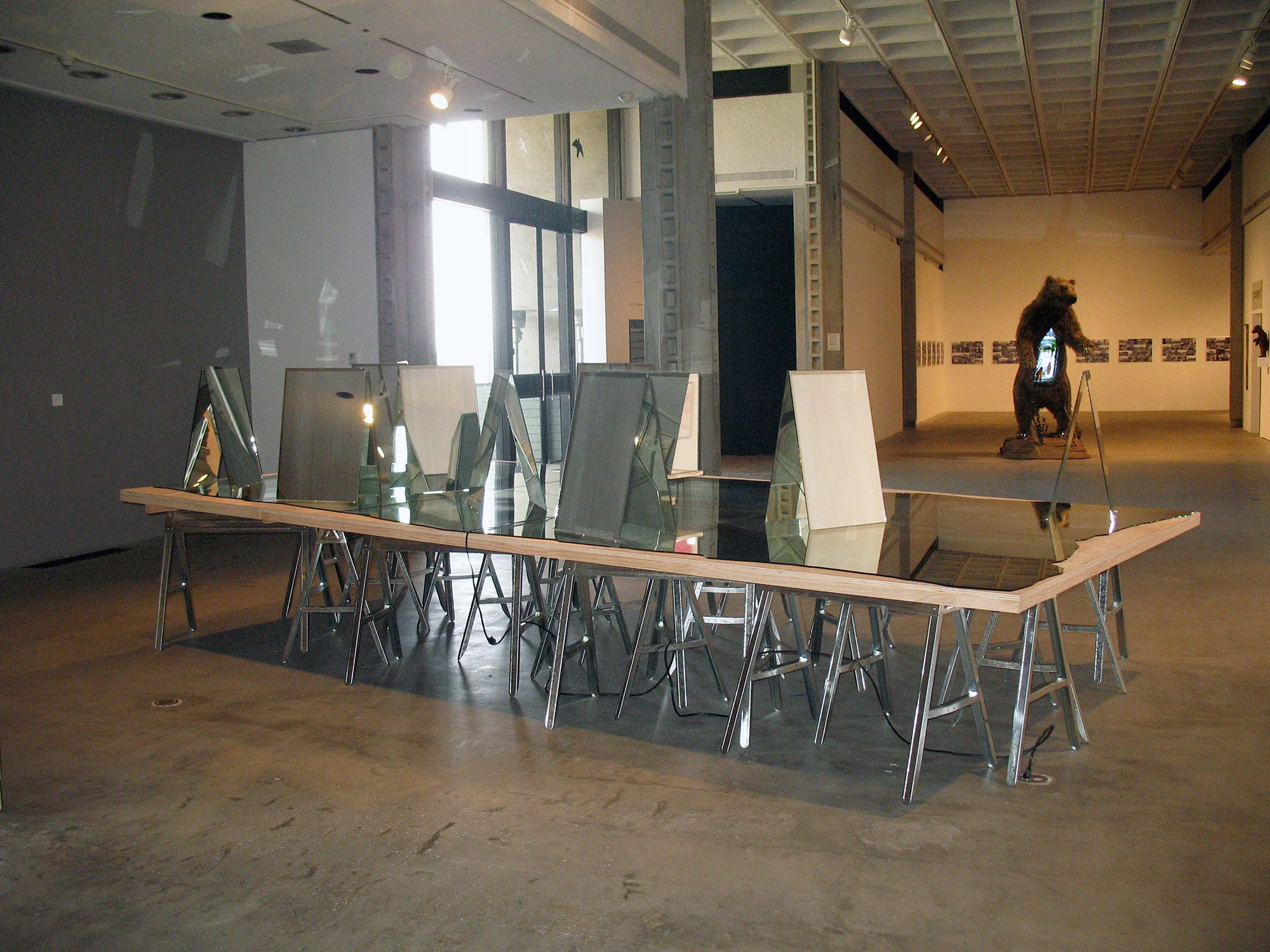
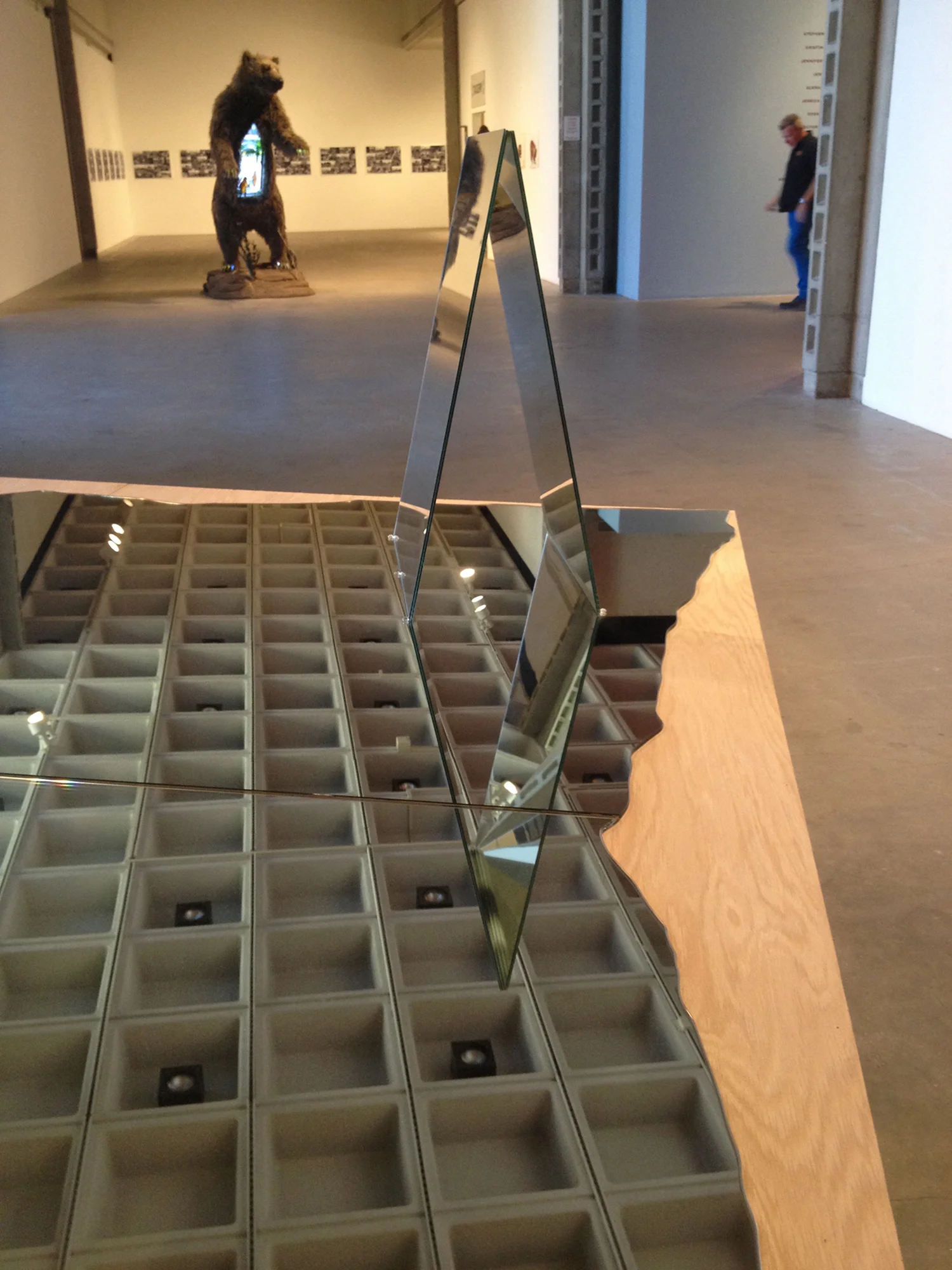
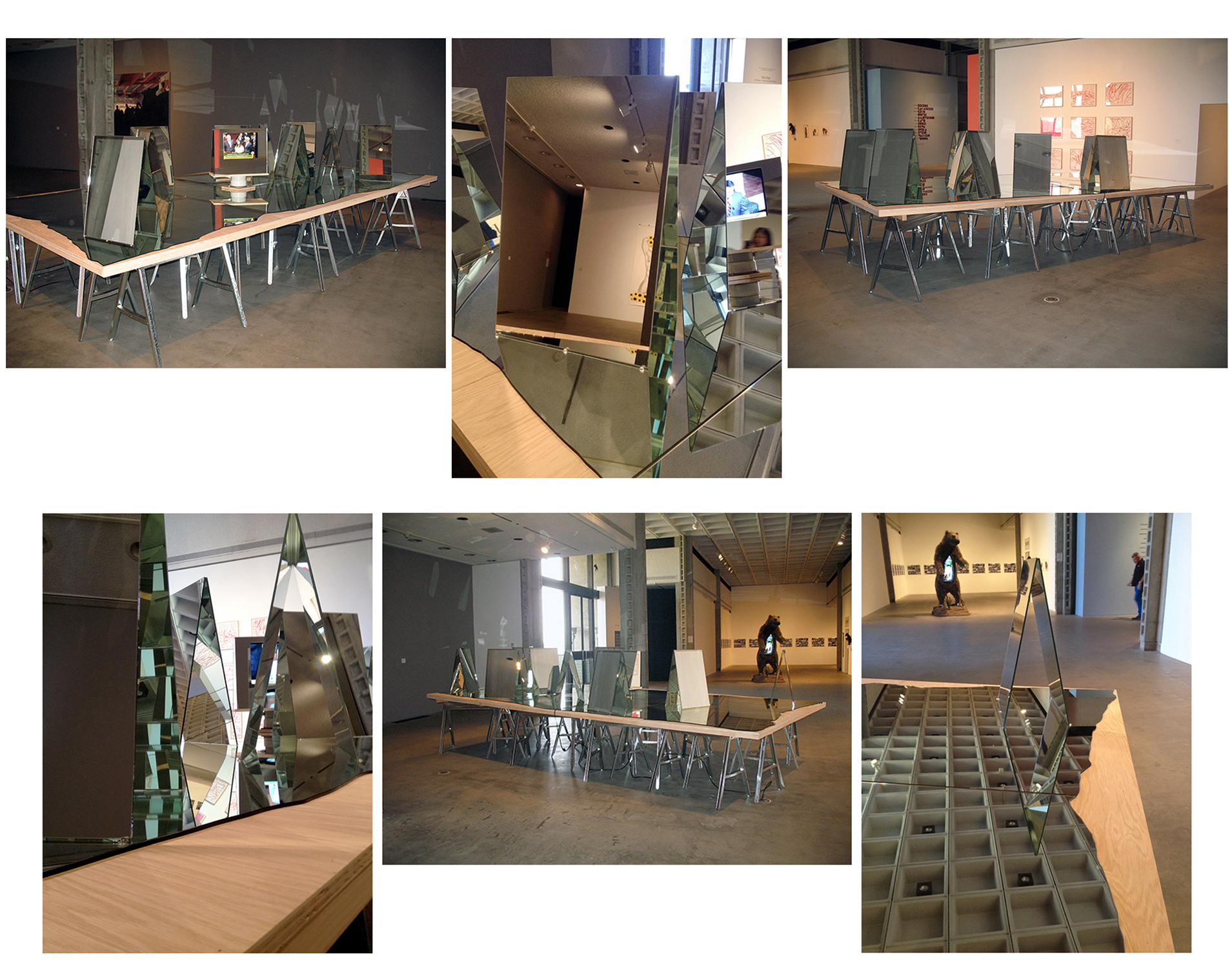
On a large topographic-shaped piece of mirrored glass, lying on a sloped 8’ x 16’ plywood table supported with 19 galvanized steel sawhorses there are two components:
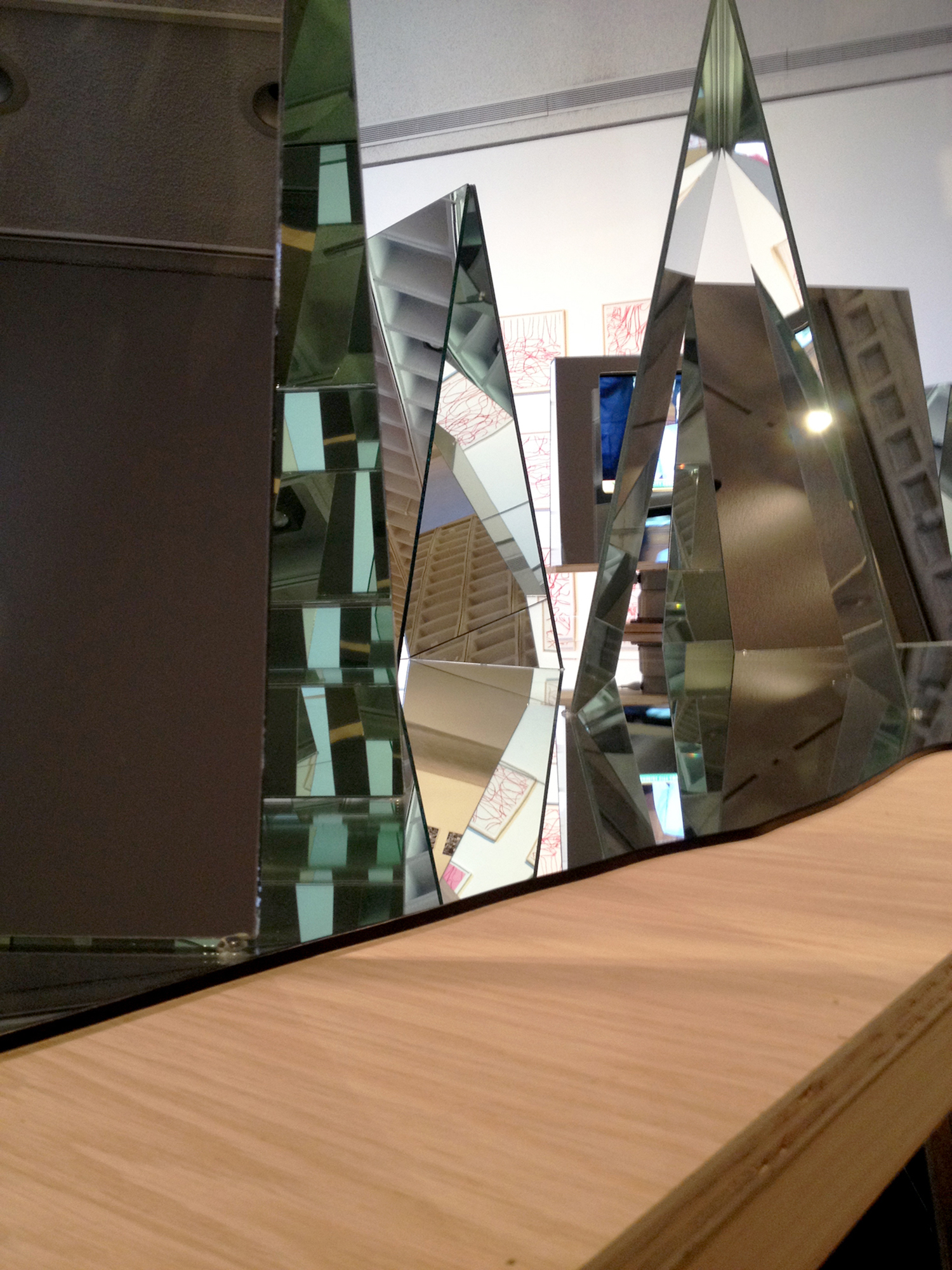
1). A mirror encased video monitor (17-25” screen), rotating at 2 revolutions per minute, and placed roughly in the center of a topographic-shaped mirrored glass, displays a live feed of Los Angeles City Council meetings, and when not in session the monitor will alternately show a live feed of the reception desk at the Cultural Affairs Office, traffic police, and a slide show from google images of the Los Angeles City Council; other possibilities: administrative offices of the exhibition venue, a gas station, city hall, Cspan
2). Several (6 to 10) chromed three-dimensional triangular forms (approximately 2’ tall x 16” long x 16” wide), like sandwich boards, will surround the rotating monitor creating reflections, and projections, of a live video feed as well as of the viewer, thus extending the piece outside of its static physical construction.
By offering a self-reflective moment, our goal is to activate an experiential connection between the viewer and art, and to extend this relationship through the live video feed to a broader context, where viewers are reminded that identity both culturally and personally is a complex and fluid dynamic.